As the chill of winter approaches, many gardeners assume it’s time to hang up their trowels until spring. But what if we told you that your garden could continue to thrive, even through the colder months, with a little help from some beautiful floral protectors? Welcome to the wonderful world of companion planting for your winter vegetables!
At Garden – L. Quyên, we believe in embracing nature’s clever solutions, and companion planting is a prime example. It’s about strategically placing different plants together so they can benefit each other. In winter, this means choosing flowers that can offer your cold-hardy vegetables protection from frost, biting winds, and even some stubborn pests.
Why Companion Plant Flowers with Winter Vegetables?
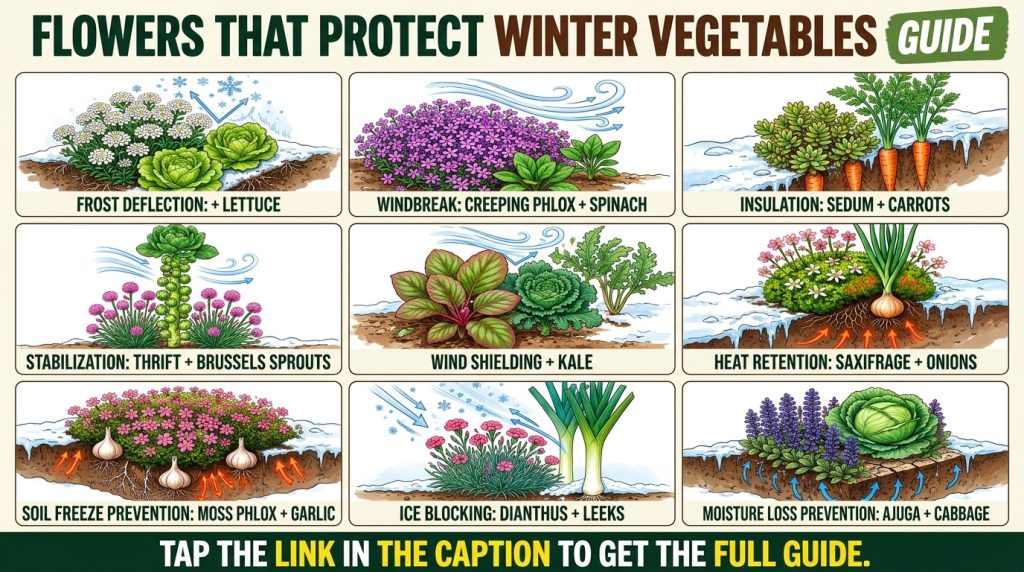
The benefits of companion planting extend far beyond just looking pretty. For winter vegetables, these floral allies offer crucial support:
- Frost Protection: Denser foliage from certain flowers can create a microclimate, trapping heat and providing a light blanket of insulation against unexpected frosts.
- Windbreaks: Taller, sturdier flowers can act as natural windbreaks, shielding delicate vegetable leaves from harsh winter gusts that can cause desiccation and damage.
- Soil Insulation: Low-growing groundcover flowers can help insulate the soil, maintaining a more consistent temperature around vegetable roots and preventing hard freezes.
- Natural Pest Deterrence: Even in winter, some pests can linger. Certain flowers emit scents or attract beneficial insects that deter these unwelcome visitors, reducing the need for chemical interventions.
- Aesthetic Appeal: Let’s not forget the beauty! Winter gardens don’t have to be stark. Adding vibrant, cold-tolerant flowers can brighten up your space and lift your spirits.
Top Flower & Winter Vegetable Pairings for Protection
1. Calendula (Pot Marigold) & Hardy Greens (Kale, Spinach, Swiss Chard)
Calendula is not just a cheerful splash of orange and yellow; it’s also a fantastic protector. Its hardy nature means it can withstand cooler temperatures, and its aromatic foliage can deter certain nematodes and other soil-borne pests that might bother your root vegetables or greens. Plus, its bright blooms can attract beneficial pollinators on milder winter days, and some say it can improve the health of nearby plants.
2. Pansies & Violas & Low-Growing Vegetables (Lettuce, Arugula, Radishes)
These adorable, cold-tolerant flowers are perfect for forming a living mulch around your low-growing winter crops. Their dense foliage helps to insulate the soil and protect young vegetable plants from light frosts. They also add a delightful burst of color, making your winter garden a true joy to behold. They thrive in similar conditions to many winter greens, making them ideal companions.
3. Sweet Alyssum & Brassicas (Cabbage, Broccoli, Brussels Sprouts)
Sweet Alyssum forms a beautiful, fragrant carpet of tiny flowers. This low-growing plant is excellent for attracting beneficial insects like hoverflies and parasitic wasps, which prey on common brassica pests like aphids. Its dense growth also acts as a living groundcover, suppressing weeds and helping to stabilize soil temperature, providing a cozy environment for your cruciferous crops.
4. Dianthus (Pinks) & Root Vegetables (Carrots, Parsnips)
Many varieties of Dianthus are surprisingly hardy and can offer a lovely, low-growing cushion of foliage. Their compact growth can help protect the soil around developing root vegetables, providing a bit of extra insulation from the cold. Some varieties also have a spicy, clove-like scent that might deter certain pests. They add a touch of elegance to any winter garden.
5. Nasturtiums & Brassicas (Cabbage, Kale)
While often thought of for warmer months, certain nasturtium varieties can persist into milder winter conditions, especially in protected spots. Nasturtiums are famous trap crops, drawing aphids away from your valuable brassicas. They sacrifice themselves to protect your winter harvest, and their peppery leaves and flowers are edible, too!
Tips for Successful Winter Companion Planting
- Choose Cold-Hardy Varieties: Ensure both your flowers and vegetables are suitable for your specific winter climate.
- Consider Light Needs: Position plants so that taller companions don’t completely shade out shorter vegetables, especially crucial during shorter winter days.
- Soil Health is Key: Healthy soil provides the best foundation for strong plants. Amend your soil with compost before planting.
- Monitor and Adjust: Keep an eye on your garden. If one plant isn’t thriving, don’t be afraid to make adjustments.
- Water Wisely: Even in winter, plants need water, though less frequently. Check soil moisture and water on warmer days.
Transforming your winter garden into a thriving, protected haven is easier than you think with the magic of companion planting. Not only will you enjoy a more abundant harvest, but you’ll also create a visually stunning and naturally balanced ecosystem in your backyard. Give these floral guardians a try this winter, and watch your garden flourish!