Master Your Wing Game: 6 Irresistible Homemade Chicken Wing Sauces
There’s nothing quite like the satisfying crunch of a perfectly cooked chicken wing, but let’s be honest: the sauce is often the true star of the show. While store-bought options can be convenient, crafting your own homemade chicken wing sauces opens up a world of flavor possibilities that are fresher, more vibrant, and infinitely customizable. Whether you’re hosting a game day party, planning a casual dinner, or just craving some seriously good wings, this guide will help you elevate your wing game to legendary status.
Forget the one-trick pony of a single sauce; imagine an array of irresistible flavors, from classic Buffalo to tangy BBQ, sweet and spicy Asian glazes, and creamy garlic Parmesan. With homemade sauces, you control the ingredients, the heat level, and the balance of flavors, ensuring every bite is exactly what you crave. Get ready to impress your friends and family with a wing spread that caters to every palate!
Why You’ll Love Mastering Homemade Wing Sauces
- Unmatched Freshness: Homemade sauces taste brighter and more authentic than their store-bought counterparts.
- Customizable Flavors: Adjust sweetness, heat, tang, and savory notes to perfectly suit your preferences or dietary needs.
- Impress Your Guests: A variety of unique, homemade sauces makes your wing platter truly special and memorable.
- Simple Ingredients: Many delicious sauces can be made with common pantry staples you already have on hand.
- Endless Variety: From spicy to sweet, tangy to savory, you can easily create a range of sauces to satisfy everyone.
- Dietary Control: Avoid unwanted additives, preservatives, or high-fructose corn syrup often found in commercial sauces.
Essential Ingredients for Homemade Wing Sauces
While specific quantities and combinations will vary depending on the sauce flavor you choose, here are common categories of ingredients you’ll frequently use when crafting delicious homemade chicken wing sauces. This guide focuses on the art of sauce making rather than providing six individual recipes with exact measurements.
Base Ingredients:
- Hot Sauce: (e.g., Frank’s RedHot, Tabasco, sriracha) – essential for Buffalo and other spicy sauces.
- Fats: Unsalted butter (for richness and emulsification), olive oil, or neutral oil.
- Acids: Apple cider vinegar, white vinegar, rice vinegar, lime juice, lemon juice.
- Sweeteners: Honey, brown sugar, granulated sugar, maple syrup, molasses.
- Savory Elements: Soy sauce, Worcestershire sauce, tomato paste, chicken broth.
Flavor Enhancers & Spices:
- Aromatics: Garlic powder, onion powder, fresh minced garlic, fresh minced onion.
- Spices: Smoked paprika, cayenne pepper, chili powder, black pepper, white pepper, dried herbs (oregano, thyme).
- Creamy Components: Mayonnaise, sour cream, Greek yogurt (for dips or creamy sauces).
- Thickeners: Cornstarch (mixed with water to create a slurry), flour (in a roux).
Ingredient Notes
- Butter: Unsalted butter is preferred, especially for Buffalo sauce, as it adds rich flavor and helps emulsify the sauce. If using salted butter, adjust other salty ingredients accordingly.
- Hot Sauce Varieties: The type of hot sauce dictates the final flavor. Classic Buffalo uses a vinegar-based cayenne pepper sauce. Sriracha offers a garlicky, sweet heat, while gochujang provides a fermented, savory spiciness for Asian-inspired sauces.
- Sweeteners: Different sweeteners offer different flavor profiles. Honey is excellent for sticky glazes, brown sugar adds molasses notes to BBQ, and maple syrup gives a unique depth.
- Acids: Acids brighten flavors and cut through richness. Apple cider vinegar is a common choice for tang, while citrus juices add a fresh, vibrant kick.
- Cornstarch Slurry: A simple mix of equal parts cornstarch and cold water, whisked until smooth, is your best friend for thickening sauces without lumps.
Equipment You’ll Need
- Small to medium saucepan
- Whisk
- Measuring cups and spoons
- Mixing bowls (for tossing wings)
- Spatula or spoon
- Tongs (for handling wings)
How to Craft Your Homemade Wing Sauces and Coat Wings
This section provides a general framework for making a variety of sauces and applying them to cooked chicken wings. The specific steps for each sauce will vary based on its unique ingredients and desired consistency.
- Prepare Your Base: Start by melting fats (like butter for Buffalo sauce) or combining liquid bases (like soy sauce and honey for an Asian glaze) in your saucepan over medium-low heat.
- Introduce Main Flavor Components: Whisk in your primary flavor ingredients such as hot sauce, vinegars, sweeteners, tomato paste, or other liquid components. Stir well to combine thoroughly.
- Add Aromatics and Spices: Stir in garlic powder, onion powder, dried herbs, or other ground spices. If using fresh minced garlic or ginger, sauté them briefly in a little oil before adding liquids to bloom their flavors.
- Simmer and Develop Flavors: Bring the sauce to a gentle simmer, stirring occasionally. Allow it to cook for 5-10 minutes, or until the flavors have melded and intensified. This is crucial for a well-rounded sauce.
-
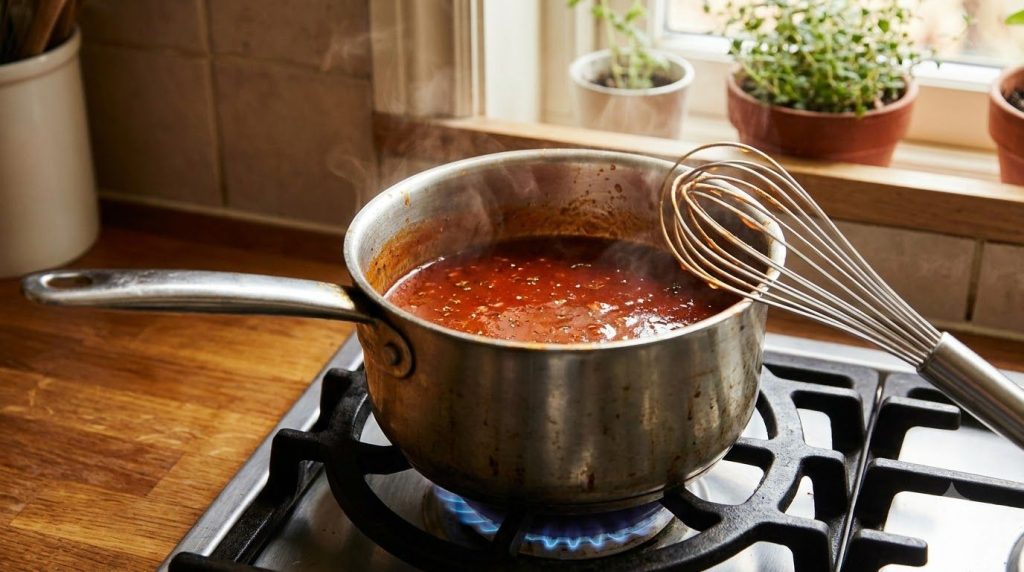
Allow your homemade sauce to simmer gently, letting the flavors deepen. Thicken to Desired Consistency (If Needed): If you prefer a thicker sauce, gradually whisk in a cornstarch slurry (1 tablespoon cornstarch mixed with 1 tablespoon cold water) and simmer for another 1-2 minutes until thickened. The sauce should coat the back of a spoon.
- Taste and Adjust: This is the most important step! Taste the sauce and adjust seasonings as needed. Add more hot sauce for heat, a pinch of sugar for sweetness, a dash of vinegar for tang, or more salt and pepper to balance the flavors.
- Prepare Cooked Wings: Ensure your chicken wings are fully cooked and hot. Whether baked, fried, or air-fried, they should be crispy and ready for saucing.
- Sauce the Wings: In a large mixing bowl, add your hot, cooked wings. Pour a generous amount of warm homemade sauce over them. Use tongs to toss the wings until they are evenly coated in the delicious sauce.
- Serve Immediately: Transfer the sauced wings to a serving platter and serve hot with your favorite sides and dipping sauces.
Pro Tips for the Best Results
- Start with a Flavor Profile in Mind: Before you begin, decide if you want spicy, sweet, tangy, savory, or a combination. This guides your ingredient selection.
- Balance is Key: Great sauces have a balance of sweet, sour, salty, and spicy. Taste as you go and adjust small amounts of ingredients to achieve harmony.
- Bloom Your Spices: If using dry spices, lightly toast them in a dry pan or sauté them in a little oil for a minute before adding liquids. This brings out their full aroma and flavor.
- Warm Sauce, Hot Wings: For the best coating and flavor adhesion, ensure your sauce is warm when you toss it with freshly cooked, hot wings.
- Don’t Over-Thicken: A good wing sauce should coat the wings but not be gloopy. If using cornstarch, add it gradually and cook until just thickened. It will thicken more as it cools.
- Rest for Flavor Development: While you can use sauces immediately, many benefit from resting for 15-30 minutes off the heat for flavors to meld further.
- Make Extra: Always make a little extra sauce for dipping or drizzling over the wings right before serving.
Common Mistakes to Avoid
- Not Tasting As You Go: This is the biggest mistake! Constantly taste and adjust for salt, sweetness, and heat.
- Over-Salting: Many base ingredients (soy sauce, hot sauce) are salty. Add salt incrementally.
- Lumpy Sauce: Always mix cornstarch with cold water into a smooth slurry before adding to hot sauce to prevent lumps.
- Cold Sauce, Cold Wings: Tossing cold sauce with cold wings results in a less appetizing, less cohesive coating.
- Rushing the Simmer: Don’t skip the simmering step. It allows flavors to deepen and raw ingredient tastes to mellow.
- Ignoring Consistency: A sauce that’s too thin will drip off; one that’s too thick will be cloying. Aim for a consistency that lightly coats the wings.
Variations & Substitutions
The beauty of homemade sauces is their infinite adaptability. Here are ideas to spark your creativity:
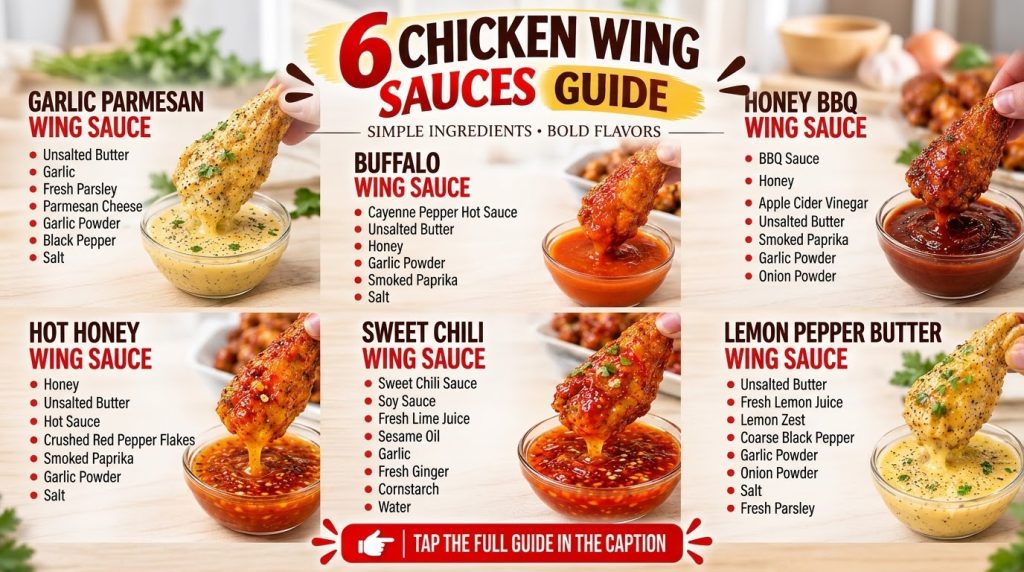
- Classic Buffalo Remix: Add a touch of smoked paprika or a dash of garlic powder for extra depth. Use brown butter for a nuttier flavor.
- Tangy BBQ Twist: Experiment with different vinegars (balsamic, red wine vinegar), fruit purees (peach, pineapple), or a smoky element like liquid smoke or smoked paprika.
- Sweet & Spicy Asian Fusion: Combine soy sauce, honey, ginger, garlic, sriracha, and a splash of sesame oil. Vary the heat with chili flakes or gochujang.
- Creamy Garlic Parmesan: Mix melted butter with minced garlic, Parmesan cheese, a touch of cream or mayonnaise, and fresh parsley.
- Zesty Lemon Herb: Combine fresh lemon juice and zest with olive oil, finely chopped fresh herbs like rosemary, thyme, and oregano, and a pinch of chili flakes.
- Fiery Habanero Mango: Blend fresh habaneros with ripe mango, lime juice, and a touch of honey for a vibrant, fruity, and seriously spicy sauce.
- Global Inspiration: Explore flavors like Jerk (Caribbean), Peri Peri (African/Portuguese), or Gochujang (Korean) for truly unique wing experiences.
Serving Suggestions
Chicken wings are perfect for parties, game nights, or a fun family meal. Here’s how to serve them for maximum enjoyment:
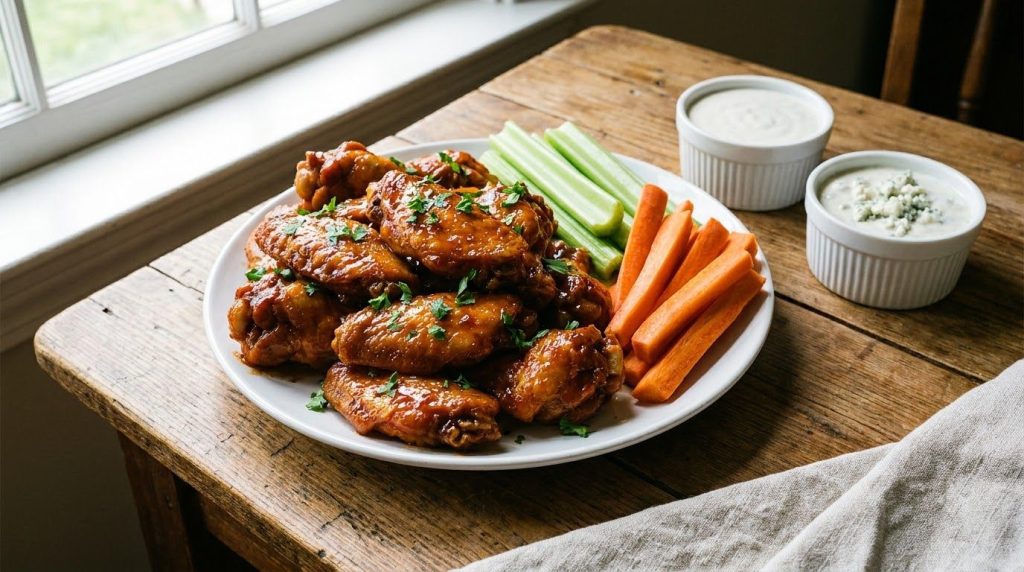
- Classic Sides: Always have celery sticks and carrot sticks on hand. Their crisp coolness provides a perfect contrast to rich, spicy wings.
- Dipping Sauces: Blue cheese dressing and ranch dressing are quintessential wing accompaniments. Offer both to cater to different preferences.
- Fresh Herbs: A sprinkle of fresh chopped parsley or cilantro can add a pop of color and freshness.
- Citrus Wedges: Serve with lemon or lime wedges for a bright, acidic squeeze that can cut through richness and add zest.
- Pairing Drinks: Cold beer, iced tea, or sparkling lemonade are excellent choices to complement the bold flavors of the wings.
Storage & Reheating
- Sauce Storage: Store any leftover homemade sauce in an airtight container in the refrigerator for up to 5-7 days. Some sauces, particularly vinegar-based ones, may last longer.
- Freezing Sauce: Many sauces, especially those without dairy, can be frozen for up to 2-3 months. Thaw in the refrigerator overnight before reheating gently on the stovetop. You may need to whisk it well or re-thicken slightly.
- Cooked Wings: Leftover sauced wings can be stored in an airtight container in the refrigerator for up to 3-4 days.
- Reheating Wings: For best results, reheat sauced wings in a preheated oven at 375°F (190°C) or in an air fryer at 350°F (175°C) for 8-12 minutes, or until heated through and crispy again. Avoid the microwave, as it can make them soggy.
FAQ
Can I make the wing sauces ahead of time?
Absolutely! Most homemade wing sauces can be prepared 1-2 days in advance and stored in an airtight container in the refrigerator. Reheat gently on the stovetop over low heat, whisking frequently, before tossing with hot, freshly cooked wings.
Can I use these sauces for other foods?
Yes! These versatile sauces are excellent with chicken tenders, grilled chicken breasts, pork chops, shrimp, or even as a dipping sauce for fries or vegetables. Get creative with how you use them!
How do I make my wing sauce thicker?
The easiest way to thicken most sauces is with a cornstarch slurry. Mix equal parts cornstarch and cold water (e.g., 1 tablespoon cornstarch with 1 tablespoon water) until smooth, then whisk it gradually into your simmering sauce. Cook for another 1-2 minutes until it reaches your desired consistency.
How do I adjust the heat level of my sauce?
To increase heat, add more hot sauce, cayenne pepper, or a pinch of red pepper flakes. To decrease heat, you can add more unsalted butter, a touch of honey or brown sugar, or a splash of chicken broth to dilute the spice.
My sauce separated, what happened?
Separation can occur if the sauce wasn’t fully emulsified, especially with butter-based sauces that cool too quickly. Reheat gently over low heat, whisking vigorously to bring it back together. A small splash of hot water or chicken broth can sometimes help.
What kind of chicken wings should I use?
This guide focuses on the sauces, so you can use your favorite cooked wing preparation! Whether you prefer deep-fried, baked, air-fried, or grilled chicken wings, the sauces will adhere beautifully to a crispy exterior.
Homemade Wing Sauce Guide
A comprehensive guide to crafting various delicious, customizable homemade sauces for your chicken wings.
| Recipe Name: | Homemade Wing Sauce Guide |
|---|---|
| Short Description: | Learn to create a variety of flavorful homemade sauces for chicken wings. |
| Prep Time: | 10 minutes (estimate per sauce) |
| Cook Time: | 10-15 minutes (estimate per sauce) |
| Total Time: | 20-25 minutes (estimate per sauce) |
| Servings: | Varies by sauce quantity (typically enough for 1-2 lbs of wings per sauce) |
| Course: | Appetizer, Main Course |
| Cuisine: | American |
| Cooking Method: | Simmering, Tossing |
Ingredients:
- For a Classic Buffalo-Style Sauce: Hot sauce (e.g., Frank’s RedHot), unsalted butter, white vinegar, garlic powder.
- For a Sweet & Tangy BBQ Sauce: Ketchup or tomato paste, brown sugar, apple cider vinegar, Worcestershire sauce, smoked paprika, garlic powder.
- For a Honey Garlic Sriracha Glaze: Honey, soy sauce, sriracha, minced garlic, grated fresh ginger, rice vinegar.
- For a Lemon Pepper Wet Sauce: Melted unsalted butter, fresh lemon juice, lemon zest, black pepper, garlic powder.
- For a Creamy Garlic Parmesan Sauce: Melted unsalted butter, minced garlic, grated Parmesan cheese, a touch of cream or mayonnaise, fresh parsley.
- Other Common Ingredients: Various hot sauces, sweeteners (maple syrup, molasses), acids (lime juice), savory liquids (chicken broth), spices (cayenne, chili powder), thickeners (cornstarch).
- Note: Specific quantities for each sauce will vary greatly based on your desired flavor and heat level. This is a guide to common components.
Instructions:
- Choose Your Sauce: Select a flavor profile (e.g., Buffalo, BBQ, Honey Garlic Sriracha) and gather the appropriate base ingredients.
- Combine Base Ingredients: In a small saucepan, combine the main liquid components and fats (e.g., melt butter, whisk hot sauce and butter for Buffalo; combine soy sauce, honey, sriracha for Asian glaze).
- Add Aromatics & Spices: Stir in garlic, onion, ginger, and chosen spices. If using fresh aromatics, sauté briefly before adding liquids.
- Simmer to Blend: Bring the sauce to a gentle simmer over medium-low heat. Cook for 5-10 minutes, stirring occasionally, allowing flavors to meld and deepen.
- Adjust Consistency (Optional): If a thicker sauce is desired, create a cornstarch slurry (1 tbsp cornstarch + 1 tbsp cold water) and whisk gradually into the simmering sauce. Cook for 1-2 minutes until thickened.
- Taste & Refine: Carefully taste the sauce and adjust seasonings. Add more heat, sweetness, tang, or salt as needed to achieve your perfect balance.
- Prepare Wings: Ensure your chicken wings are fully cooked, hot, and crispy (baked, fried, or air-fried).
- Sauce Wings: Place hot wings in a large mixing bowl. Pour the warm homemade sauce over them. Use tongs to toss vigorously until all wings are evenly coated.
- Serve: Transfer to a platter and serve immediately with celery, carrots, and dipping sauces.
Notes:
This guide provides a framework for creating various homemade wing sauces. Experiment with different ingredients and proportions to develop your signature flavors. Always taste and adjust seasonings to your preference. The key is to balance sweet, sour, salty, and spicy elements for a truly irresistible sauce.
Storage:
Store leftover sauce in an airtight container in the refrigerator for up to 5-7 days. Reheat gently on the stovetop before use. Leftover sauced wings can be refrigerated for 3-4 days and reheated in an oven or air fryer for crispness.
Nutrition:
Nutrition information is an estimate and may vary depending on the ingredients and brands used.