Unlock Perfect Flavors: Your Ultimate Meat & Spice Pairing Guide
Transforming ordinary ingredients into extraordinary meals often comes down to one crucial element: seasoning. While salt and pepper are foundational, understanding how to pair the right herbs and spices with different cuts of meat can elevate your cooking from good to unforgettable. This ultimate meat and spice pairing guide is designed to empower you with the knowledge to create perfectly balanced and flavorful dishes every time you step into the kitchen.
Whether you’re grilling a steak, roasting a chicken, or preparing a delicate fish, the right combination of aromatic herbs and pungent spices can highlight the natural taste of your protein, adding depth, warmth, and complexity. Get ready to unlock a world of flavor and become a master of meat seasoning!
Why You’ll Love This Flavor Pairing Guide
- Demystifies Seasoning: No more guessing! We provide clear, tested pairings for popular meats.
- Enhances Home Cooking: Elevate your everyday meals with restaurant-quality flavor profiles.
- Boosts Flavor Confidence: Learn the principles behind great seasoning, giving you the courage to experiment.
- Encourages Culinary Creativity: Once you understand the basics, you can mix and match to develop your signature blends.
- Suitable for Various Cooking Methods: These pairings work wonderfully whether you’re grilling, roasting, pan-frying, or slow cooking.
- Simple Ingredients, Big Impact: Utilize common pantry spices to create profound flavors.
Essential Herbs & Spices for Your Pantry
Before diving into specific pairings, let’s consider the building blocks of flavor that every home cook should have on hand. These are the versatile heroes that will form the backbone of your meat spice blends.
- Aromatics: Garlic Powder, Onion Powder, Dried Minced Garlic
- Herbs: Dried Thyme, Rosemary, Oregano, Parsley, Marjoram, Dill, Bay Leaves
- Warm Spices: Cumin, Coriander, Paprika (sweet, smoked, hot), Chili Powder, Cayenne Pepper
- Pungent Spices: Black Pepper, White Pepper, Red Pepper Flakes
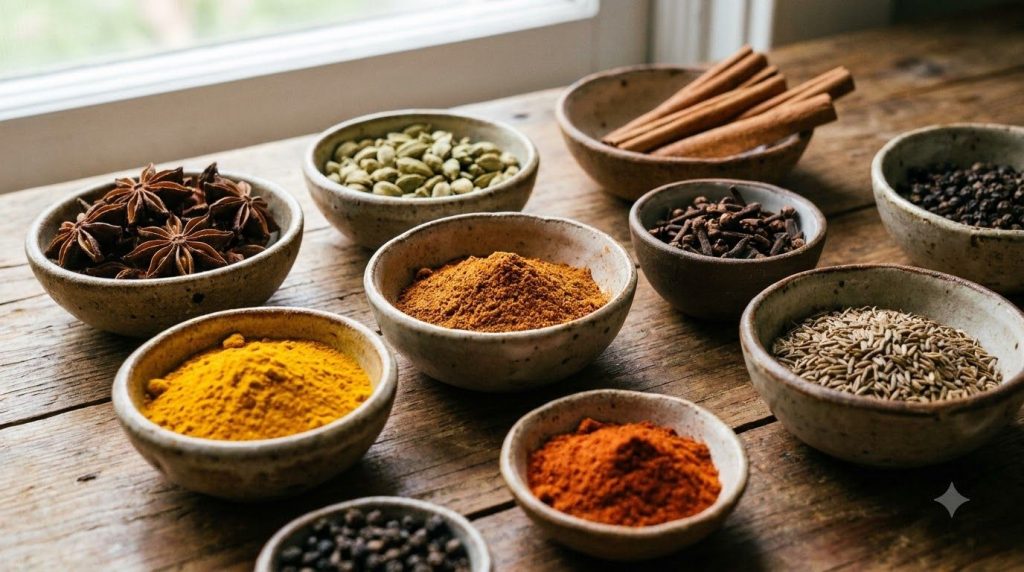
- Exotic Spices (optional but highly recommended): Turmeric, Ginger Powder, Cinnamon, Cardamom, Cloves, Fennel Seeds
Ingredient Notes
- Fresh vs. Dried Herbs: While fresh herbs offer vibrant, bright notes, dried herbs are more concentrated in flavor. A general rule of thumb is to use 1 teaspoon of dried herbs for every tablespoon of fresh herbs called for in a recipe.
- Whole vs. Ground Spices: Whole spices retain their oils longer, offering a more potent aroma when freshly ground. Ground spices are convenient but lose potency quicker. Store both in airtight containers away from heat and light.
- Quality Matters: Invest in high-quality spices. They make a noticeable difference in the final taste of your dishes.
Equipment You’ll Need
- Mixing Bowls: For combining spices and marinating meat.
- Measuring Spoons & Cups: For accurate spice ratios.
- Spice Grinder (optional): For grinding whole spices to release maximum flavor.
- Mortar and Pestle (optional): An old-school but effective way to crush and combine spices.
How to Use This Meat & Spice Pairing Guide
Using this guide is straightforward. It’s about understanding the innate flavors of different meats and complementing them with the right aromatic partners. Here’s a simple process to get started:
- Select Your Protein: Choose the type of meat you’re preparing (beef, chicken, lamb, etc.).
- Consult the Pairing Guide: Refer to the specific section for your chosen meat below to identify recommended herbs and spices.
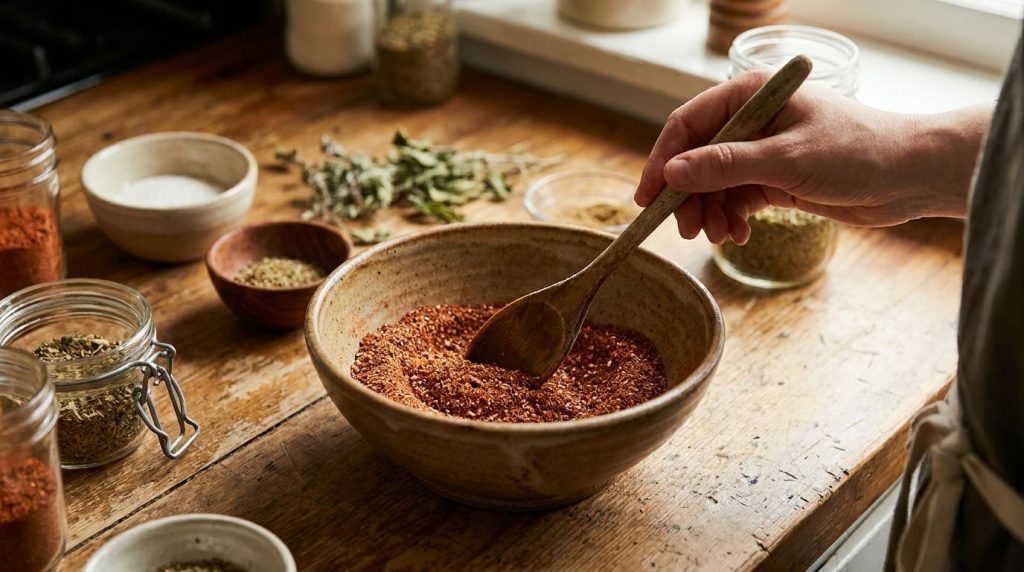
- Create Your Blend: Combine your chosen spices to make a rub or a base for a marinade. Adjust quantities based on the amount of meat and your personal preference for intensity.
- Season Your Meat: Generously apply the spice blend to your meat. For rubs, pat it onto the surface. For marinades, ensure the meat is fully coated.
- Allow to Marinate/Rest (Optional but Recommended): For deeper flavor, let rubbed or marinated meat rest in the refrigerator for at least 30 minutes, or up to several hours (or overnight for larger cuts), before cooking.
- Cook to Perfection: Prepare your seasoned meat using your preferred cooking method, enjoying the aromatic transformation.
Master Spice Pairings for Every Meat
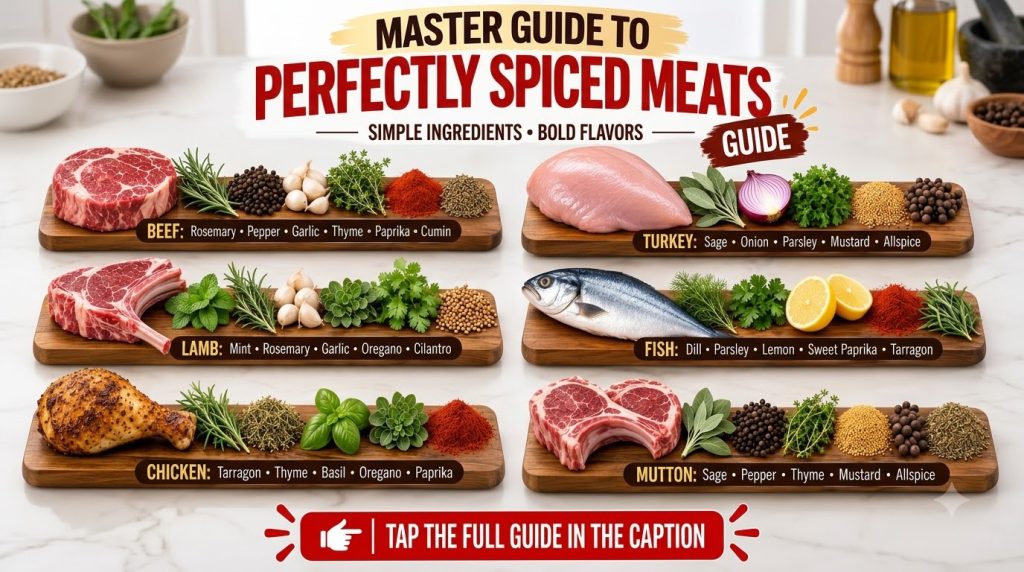
Beef Pairings
Beef, with its rich, hearty flavor, stands up well to robust seasonings. Whether it’s a steak, roast, or ground beef, these spices enhance its savory profile.
- Herbs: Rosemary, Thyme, Bay Leaf, Oregano
- Spices: Garlic Powder, Onion Powder, Black Pepper, Smoked Paprika, Cumin, Chili Powder, Coriander
- Great For: Steaks, Roasts, Beef Stew, Chili, Meatloaf, Burgers
Lamb Pairings
Lamb has a distinctive, sometimes gamey flavor that benefits from aromatic and earthy spices, often drawing from Mediterranean and Middle Eastern influences.
- Herbs: Rosemary, Thyme, Mint, Oregano
- Spices: Garlic Powder, Cumin, Coriander, Smoked Paprika, Cinnamon, Nutmeg, Cloves, Turmeric
- Great For: Lamb Chops, Leg of Lamb, Lamb Tagine, Kebabs, Ground Lamb dishes
Chicken Pairings
Chicken is incredibly versatile and acts as a blank canvas for a wide array of flavors. From simple to exotic, these spices make chicken shine.
- Herbs: Thyme, Rosemary, Oregano, Sage, Marjoram, Parsley
- Spices: Paprika (sweet or smoked), Garlic Powder, Onion Powder, Black Pepper, Cumin, Coriander, Chili Powder, Lemon Pepper, Turmeric, Ginger Powder
- Great For: Roasted Chicken, Grilled Chicken Breasts/Thighs, Chicken Curry, Stir-fries, Chicken Soup
Turkey Pairings
Similar to chicken but often with a slightly bolder flavor, turkey benefits from warm, earthy herbs and spices, particularly those associated with poultry.
- Herbs: Sage, Thyme, Rosemary, Marjoram, Parsley
- Spices: Paprika, Black Pepper, Garlic Powder, Onion Powder, Nutmeg, Allspice
- Great For: Roasted Turkey, Turkey Breast, Ground Turkey dishes, Turkey Stuffing
Fish Pairings
Fish, especially white fish, has a delicate flavor that can be easily overpowered. Light, bright, and fresh seasonings work best, though some bolder fish like salmon can handle stronger flavors.
- Herbs: Dill, Parsley, Chives, Tarragon, Cilantro
- Spices: Lemon Zest, Black Pepper, Garlic Powder, White Pepper, Smoked Paprika (for salmon), Coriander, Cumin (for bolder fish like cod/halibut), Cayenne Pepper (for a kick)
- Great For: Baked Fish, Grilled Fillets, Fish Tacos, Pan-seared Fish
Mutton Pairings
Mutton, being an older sheep, has a more intense and often stronger flavor than lamb, requiring robust and aromatic spices that can complement its richness, often found in South Asian or Middle Eastern cuisines.
- Herbs: Mint, Cilantro, Bay Leaf
- Spices: Cumin, Coriander, Garam Masala, Turmeric, Ginger, Garlic, Cinnamon, Cardamom, Cloves, Chili Powder, Black Pepper
- Great For: Mutton Curry, Stews, Slow-cooked dishes, Biryanis
Pro Tips for the Best Results
Go beyond the basics with these expert tips to ensure your spiced meats are always a culinary triumph.
- Toast Whole Spices: Lightly toasting whole spices in a dry pan before grinding them unlocks their full aromatic potential and deepens their flavor.
- Layer Your Flavors: Don’t just dump all the spices at once. Consider building layers by infusing oils, sautéing aromatics, and then adding dry spices.
- Don’t Over-Salt Initially: Spices add flavor, but salt enhances it. Add salt incrementally and taste as you go, especially if using a store-bought blend that may already contain salt.
- Rest Your Meat: After cooking, always allow your meat to rest for 5-15 minutes (depending on size). This allows the juices to redistribute, resulting in more tender and flavorful meat.
- Balance is Key: Aim for a balance of savory, aromatic, and sometimes a hint of heat. Too much of one spice can overpower the dish.
- Adjust to Taste: Recipes are a guide, but your palate is the ultimate judge. Always taste and adjust seasonings before serving.
- Consider Cooking Method: Some spices release their flavor better with longer cooking (like stews), while others are best added towards the end (like fresh herbs or delicate spices).
Common Mistakes to Avoid
Even seasoned cooks can make mistakes. Be aware of these common pitfalls to ensure your spiced meats turn out perfectly.
- Under-Seasoning: The most common mistake! Don’t be shy with your spices. Meat needs a significant amount of seasoning to absorb the flavors.
- Using Old Spices: Spices lose their potency over time. If your ground spices have been sitting in the pantry for years, they’re likely flavorless. Replace them annually for best results.
- Not Tending to Fresh Herbs: Fresh herbs burn easily. Add them towards the end of the cooking process for maximum flavor and vibrant color, especially if they are delicate.
- Ignoring Marinade Time: For tougher cuts or deeper flavor penetration, don’t cut short the marinating time.
- Overpowering Delicate Meats: While bold spices work for beef and mutton, they can overwhelm delicate fish or chicken. Choose your pairings wisely.
Variations & Customizing Your Blends
This guide provides a foundation, but the world of spices is vast! Feel free to customize your blends based on your preferences and culinary adventures.
- Regional Flavors: Explore spice blends from different cuisines like Ras el Hanout (North African), Garam Masala (Indian), or Herbs de Provence (French).
- Heat Level: Adjust the amount of chili powder, cayenne, or red pepper flakes to suit your preferred level of spice.
- Sweet Notes: A pinch of brown sugar, honey, or maple syrup can balance savory rubs, especially for poultry or pork, creating a delicious caramelized crust.
- Acidic Elements: Lemon juice, lime juice, or vinegar in marinades not only tenderize meat but also brighten and enhance spice flavors.
Serving Suggestions
Perfectly spiced meats are often the star of the show! Here are some general serving ideas to complete your meal:
- Vegetables: Roasted seasonal vegetables, a fresh green salad, or steamed greens.
- Grains & Starches: Rice (white, brown, wild), quinoa, couscous, mashed potatoes, or roasted root vegetables.
- Breads: Crusty bread, naan, pita, or warm tortillas.
- Sauces: A simple pan sauce made from the drippings, a fresh herb chimichurri, a yogurt-based sauce, or a flavorful chutney.
Storage & Reheating
Proper storage ensures both flavor preservation and food safety.
For Spices:
- Storage: Store whole and ground spices in airtight containers in a cool, dark place away from direct sunlight or heat (like above the stove).
- Duration: Whole spices can last 3-4 years; ground spices generally maintain potency for 1-2 years. Dried herbs last 1-3 years.
For Cooked Meat:
- Refrigerator Storage: Store cooked meat in an airtight container in the refrigerator for up to 3-4 days.
- Freezer Suitability: Most cooked meats freeze well. Wrap tightly in plastic wrap or foil, then place in a freezer-safe bag or container for up to 2-3 months.
- Reheating Method: Gently reheat cooked meat in the oven at a low temperature (around 275°F/135°C), covered, with a splash of broth or water to prevent drying out. You can also reheat smaller portions in the microwave or on the stovetop, ensuring it reaches an internal temperature of 165°F (74°C).
FAQ
Q: What’s the difference between herbs and spices?
A: Herbs come from the leafy green part of plants (e.g., basil, rosemary), while spices come from other parts like seeds, fruits, roots, bark, or flowers (e.g., cumin seeds, cinnamon bark, turmeric root).
Q: How much seasoning should I use on my meat?
A: A general guideline is about 1 teaspoon of spice blend per pound (450g) of meat for a moderate flavor. However, this can vary based on the intensity of the spices and your personal preference. Always start with a moderate amount and add more if needed.
Q: Should I use fresh or dried herbs for meat?
A: Both have their place. Dried herbs are excellent for longer cooking times as their flavor deepens. Fresh herbs are best added at the end of cooking or as a garnish for brighter, fresher notes, or in marinades for vibrant flavor.
Q: Can I make spice blends ahead of time?
A: Absolutely! Making larger batches of your favorite spice blends (e.g., chicken rub, steak seasoning) saves time. Store them in an airtight container in a cool, dark pantry for up to 6 months for optimal freshness.
Q: How do I know if my spices are still fresh?
A: The sniff test! If you open a jar of spice and it doesn’t have a strong, noticeable aroma, it has likely lost its potency and won’t contribute much flavor to your dish.
Q: Can I use this guide for plant-based proteins?
A: While specifically designed for meats, many of the spice pairings (especially the more aromatic and earthy ones) can also be adapted to enhance plant-based proteins like tofu, tempeh, or legumes. Experiment with similar flavor profiles!
Q: What if I don’t have a specific spice listed?
A: Don’t let it stop you! Many spices have similar flavor profiles. For example, you can often substitute dried oregano for marjoram, or swap smoked paprika for regular paprika with a dash of liquid smoke. Or simply omit it and let the other flavors shine.
Recipe Card: Ultimate Meat & Spice Pairing Guide
Recipe Name: Ultimate Meat & Spice Pairing Guide
Short Description: A comprehensive guide to matching herbs and spices with various meats for perfect flavor every time.
Prep Time: 5 minutes
Cook Time: Varies (depending on meat type and cooking method)
Total Time: Varies
Servings: Flexible
Course: Culinary Guide, Main Course
Cuisine: International
Cooking Method: Seasoning Guide
Ingredients:
- For Beef: Rosemary, Thyme, Garlic Powder, Onion Powder, Black Pepper, Smoked Paprika, Cumin, Chili Powder, Coriander.
- For Lamb: Rosemary, Thyme, Mint, Oregano, Garlic Powder, Cumin, Coriander, Smoked Paprika, Cinnamon, Nutmeg.
- For Chicken: Paprika, Garlic Powder, Onion Powder, Thyme, Rosemary, Oregano, Sage, Cumin, Coriander, Chili Powder, Lemon Pepper.
- For Turkey: Sage, Thyme, Rosemary, Marjoram, Paprika, Black Pepper, Garlic Powder, Onion Powder, Nutmeg.
- For Fish: Dill, Parsley, Chives, Lemon Zest, Black Pepper, Garlic Powder, White Pepper, Smoked Paprika (for salmon), Coriander.
- For Mutton: Cumin, Coriander, Garam Masala, Turmeric, Ginger, Garlic, Cinnamon, Cardamom, Cloves, Chili Powder, Black Pepper.
Instructions:
- Choose your desired protein (beef, lamb, chicken, turkey, fish, or mutton).
- Refer to the ingredient list above for the recommended herbs and spices for your chosen meat.
- In a small bowl, combine your selected spices according to your taste preferences. Start with approximately 1 teaspoon of the combined blend per pound (450g) of meat, adjusting for desired intensity.
- Generously apply the spice blend to your meat, ensuring even coating. For rubs, pat the spices onto the surface of the meat.
- For best results, allow the seasoned meat to rest in the refrigerator for at least 30 minutes, or longer for deeper flavor penetration (e.g., several hours for larger cuts like roasts).
- Cook the seasoned meat using your preferred method (grilling, roasting, pan-frying, slow cooking) until it reaches the desired doneness and internal temperature.
- Always allow cooked meat to rest for 5-15 minutes before slicing and serving to ensure juiciness and flavor redistribution.
Notes:
- Always taste your spice blends before applying to ensure proper balance.
- Freshly ground whole spices will offer the most vibrant flavor.
- Adjust salt levels to your preference, remembering that many spice blends do not contain salt.
- Store leftover cooked meat in an airtight container for future meals.
Storage:
- Cooked meat: Store in an airtight container in the refrigerator for 3-4 days or freeze for up to 2-3 months.
- Spice blends: Store in an airtight container in a cool, dark pantry for up to 6 months.
Nutrition: Nutrition information is not applicable for a spice pairing guide as it does not constitute a single recipe with fixed quantities and may vary significantly based on the type and quantity of meat and other ingredients used in the final dish.