Did you know that how you prepare your vegetables can significantly change their nutritional content? It’s true! While all vegetables are packed with vital nutrients, the way we cook them can either help preserve those valuable vitamins and minerals or cause them to diminish. Making small adjustments to your cooking routine can make a big difference in how much goodness your body truly absorbs from your healthy meals.
The Science Behind Nutrient Loss During Cooking
Vegetables are rich in a variety of nutrients, including water-soluble vitamins (like Vitamin C and B vitamins), fat-soluble vitamins (like A, D, E, and K), and essential minerals. Each of these nutrients reacts differently to heat, water, and air exposure during the cooking process.
- Water-Soluble Vitamins: These vitamins, such as Vitamin C and many B vitamins, are particularly susceptible to leaching out into cooking water. Prolonged exposure to high heat can also degrade them.
- Fat-Soluble Vitamins: Vitamins A, D, E, and K are generally more stable under heat, but they are often better absorbed by the body when consumed with a small amount of healthy fat.
- Minerals: Minerals like potassium, calcium, and magnesium are more stable than vitamins but can still leach into cooking water.
The key takeaway here is that the goal is to minimize the factors that lead to nutrient degradation or loss, such as excessive heat, prolonged cooking times, and large amounts of water.
Common Cooking Methods and Their Nutritional Impact
Boiling
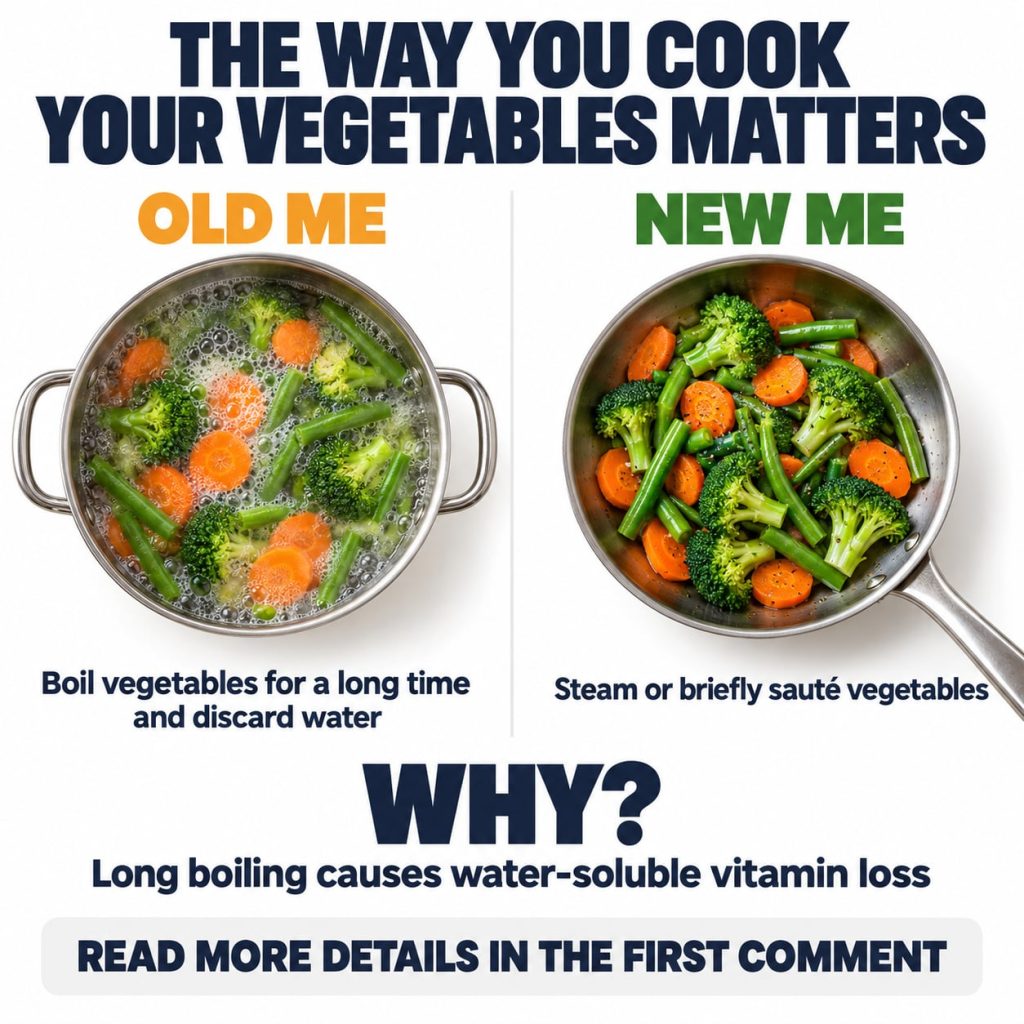
Boiling is a common method, but it can be one of the least favorable for nutrient retention, especially for water-soluble vitamins. When vegetables are immersed in hot water, vitamins C and B can readily leach out into the cooking liquid. If you discard this water, you’re also discarding a significant portion of the nutrients.
Steaming
Steaming is often considered one of the best cooking methods for preserving nutrients. Because the vegetables are cooked by steam rather than direct contact with water, the leaching of water-soluble vitamins is minimized. The gentle heat also helps maintain the integrity of delicate vitamins.
Sautéing and Stir-Frying
These methods involve cooking vegetables quickly in a small amount of oil over relatively high heat. The short cooking time helps preserve many heat-sensitive nutrients, and the minimal use of water prevents significant leaching. Additionally, cooking vegetables with a healthy fat can enhance the absorption of fat-soluble vitamins.
Roasting
Roasting involves cooking vegetables in an oven with dry heat. While the high heat can cause some loss of certain vitamins over time, roasting can also concentrate flavors and help develop beneficial compounds. Using a moderate temperature and avoiding over-roasting can help mitigate nutrient loss.
Microwaving
Surprisingly, microwaving can be an excellent method for retaining nutrients. It uses very little water and cooks food quickly from the inside out, reducing the time nutrients are exposed to heat and water. This often results in higher retention of vitamins and minerals compared to conventional boiling.
Tips for Maximizing Nutrient Retention in Your Veggies
Here are some practical tips to help you get the most nutritional bang for your buck:
- Choose Fresh and Seasonal: Fresher vegetables generally have higher nutrient content. Opt for seasonal produce whenever possible.
- Wash, Don’t Soak: Rinse your vegetables thoroughly under running water, but avoid soaking them for long periods, as this can lead to nutrient loss.
- Cut Right Before Cooking: The moment you cut a vegetable, it begins to lose some nutrients due to exposure to air and light. Cut them just before you plan to cook them.
- Use Minimal Water: When cooking with water, use as little as possible. Consider methods like steaming or blanching, and if boiling, save the nutrient-rich cooking water for soups or sauces.
- Don’t Overcook: Overcooked vegetables lose more nutrients, become mushy, and often lose their vibrant color. Aim for tender-crisp.
- Eat Some Raw: Incorporating raw vegetables into your diet (e.g., in salads or as snacks) ensures you get all their nutrients in their untouched form.
Make Every Meal Count!
By making conscious choices about your cooking methods, you can significantly impact the nutritional benefits you derive from your vegetables. Experiment with steaming, quick sautéing, or even microwaving to keep more of those essential vitamins and minerals in your food and on your plate. Small changes truly can lead to healthier eating habits and a more nourished you!
Disclaimer: This article is intended for educational purposes only and is not a substitute for professional medical advice, diagnosis, or treatment. Always seek the advice of your physician or other qualified health provider with any questions you may have regarding a medical condition.