Are you searching for a delicious, wholesome bread alternative that’s incredibly soft, satisfying, and completely flourless? Look no further than these amazing Flourless Potato Buns! Forget everything you thought you knew about baking without traditional flour; these buns are a revelation. They’re light, airy, and boast a tender crumb that makes them perfect for any meal.
Crafted primarily from mashed potatoes, these delightful buns offer a subtle, earthy flavor that pairs beautifully with almost anything. Whether you’re enjoying them warm with a pat of butter, using them as a base for mini sliders, or serving them alongside a hearty stew, their versatility is unmatched. Plus, they’re naturally gluten-free (when using appropriate starches), making them a fantastic option for those with dietary restrictions or anyone looking to reduce their grain intake. Get ready to fall in love with these easy-to-make, surprisingly satisfying potato buns!
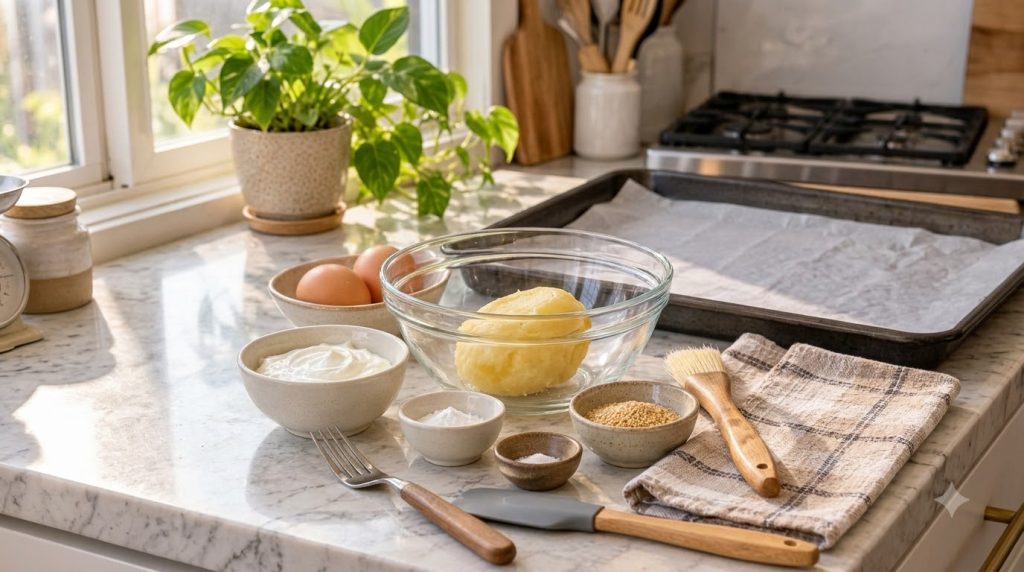
Why You’ll Love This Flourless Potato Buns Recipe
- Naturally Flourless & Gluten-Friendly: Made without traditional wheat flour, these buns are a great option for gluten-sensitive diets.
- Incredibly Soft & Fluffy: The mashed potatoes create an exceptionally tender texture that’s hard to beat.
- Simple, Wholesome Ingredients: You likely have most of these pantry staples on hand already.
- Versatile for Any Meal: Perfect as a side, breakfast bun, or even for sliders and sandwiches.
- Easy to Make: With straightforward steps, even novice bakers can achieve great results.
- Kid-Friendly: A mild flavor and soft texture make them a hit with the whole family.
Ingredients for Flourless Potato Buns
Here’s what you’ll need to make these delicious potato buns:
- 2 large (about 600 g) starchy potatoes, such as Russet or Idaho
- 1 large egg, at room temperature
- 1/2 cup (60 g) tapioca starch or potato starch (not flour)
- 1 tablespoon (15 ml) olive oil or melted butter, plus more for brushing
- 1 teaspoon baking powder
- 1/2 teaspoon salt, or to taste
- Optional: 1/4 teaspoon garlic powder or dried herbs (like chives or parsley)
Ingredient Notes
- Potatoes: Starchy potatoes like Russet or Idaho are ideal as they mash up light and fluffy. Avoid waxy varieties, which can make the buns dense.
- Egg: Acts as a crucial binder in the absence of gluten. Using it at room temperature helps it combine more smoothly with the other ingredients.
- Tapioca Starch/Potato Starch: This is key to achieving a bread-like texture and structure without using grain flours. Do not confuse potato starch with potato flour; they are different. Cornstarch can be used as an alternative, but tapioca starch often yields a chewier texture.
- Baking Powder: Provides the necessary lift to make the buns soft and airy.
- Olive Oil/Melted Butter: Adds moisture and richness to the dough, contributing to a softer crumb.
Equipment You’ll Need
- Large pot for boiling potatoes
- Potato masher or ricer
- Large mixing bowl
- Measuring cups and spoons
- Baking sheet
- Parchment paper
- Pastry brush (optional, for egg wash)
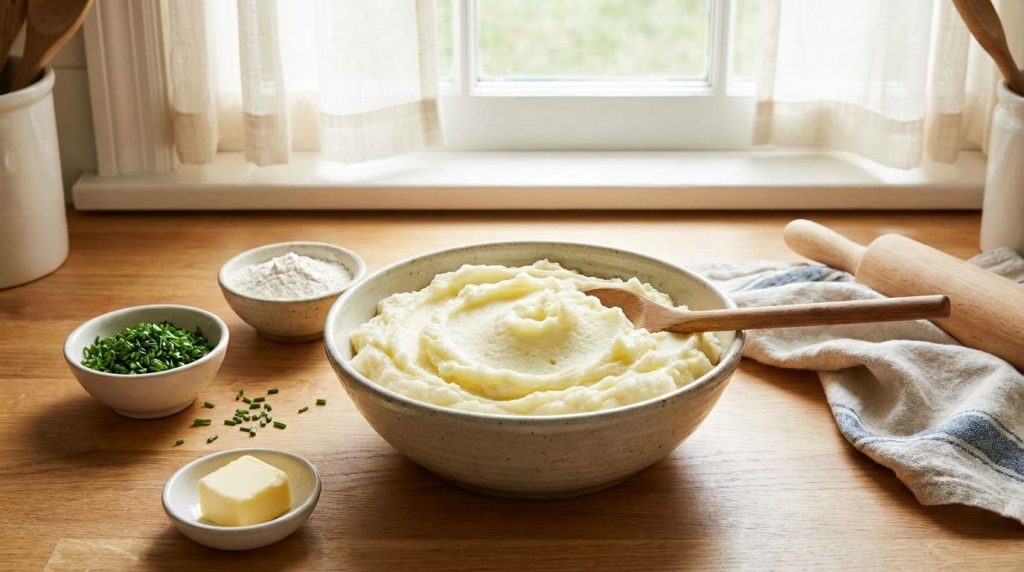
How to Make Flourless Potato Buns
Follow these simple steps to create your own soft and fluffy flourless potato buns:
- Prepare the Potatoes: Wash and peel the potatoes. Cut them into 1-inch (2.5 cm) cubes to ensure even cooking. Place the potato cubes in a large pot and cover with cold water. Add a pinch of salt to the water.
- Boil the Potatoes: Bring the water to a boil over medium-high heat, then reduce heat and simmer until the potatoes are fork-tender, about 15-20 minutes. Drain the potatoes thoroughly in a colander, letting them steam dry for a few minutes to remove excess moisture.
- Mash the Potatoes: Transfer the hot, drained potatoes to a large mixing bowl. Mash them thoroughly with a potato masher or use a potato ricer for the smoothest results. Ensure there are no lumps remaining.
- Combine Wet Ingredients: In a small bowl, whisk together the egg and olive oil (or melted butter).
- Form the Dough: Add the egg and oil mixture to the mashed potatoes. Sprinkle in the tapioca starch, baking powder, and salt (and optional garlic powder/herbs if using). Mix everything together with a spoon or your hands until a soft, cohesive dough forms. Do not overmix; stop once combined. The dough should be slightly sticky but manageable.
- Shape the Buns: Line a baking sheet with parchment paper. Lightly dust your hands with a little extra tapioca starch if the dough is too sticky. Divide the dough into 8-10 equal portions (about 2.5-3 ounces or 70-85g each). Roll each portion into a smooth ball and gently flatten it slightly into a bun shape, about 2.5-3 inches (6-7 cm) in diameter. Place them on the prepared baking sheet, leaving some space between each bun.
- Preheat Oven & Brush: Preheat your oven to 400°F (200°C). If desired, brush the tops of the buns with a little extra olive oil or melted butter for a golden finish.
- Bake the Buns: Bake for 20-25 minutes, or until the buns are golden brown on top and cooked through. They should sound hollow when tapped gently on the bottom.
- Cool and Serve: Remove the buns from the oven and transfer them to a wire rack to cool slightly before serving. They are best enjoyed warm.
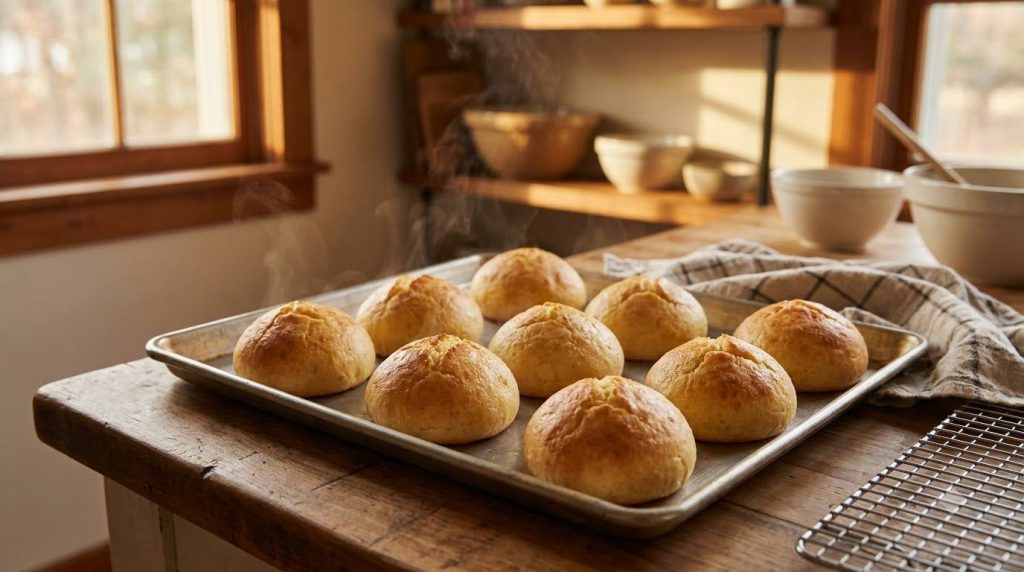
Pro Tips for the Best Results
- Use Starchy Potatoes: Russet or Idaho potatoes have a lower water content and a higher starch content, which results in a lighter, fluffier bun.
- Mash Thoroughly: Any lumps will translate to a less smooth texture in your final bun. A potato ricer is excellent for this.
- Drain Well: Excess moisture in the mashed potatoes can make the dough too sticky and heavy, requiring more starch and leading to a denser bun. Allow them to steam dry for a few minutes after draining.
- Don’t Overmix: Once the ingredients are combined and a dough forms, stop mixing. Overmixing can develop any starches too much, resulting in a tougher texture.
- Size Matters: Try to make your buns roughly the same size so they bake evenly.
- Egg Wash (Optional): For an extra golden and shiny crust, whisk an egg yolk with a tablespoon of water and brush it over the buns before baking.
Common Mistakes to Avoid
- Using Waxy Potatoes: These contain more moisture and less starch, leading to a gluey or dense bun.
- Not Draining Potatoes Enough: This is a common pitfall. Watery mashed potatoes mean a sticky dough that’s hard to handle and produces a heavy bun.
- Overworking the Dough: While not a gluten dough, excessive handling can still make potato dough less tender.
- Underbaking: Buns that aren’t fully baked will be gummy in the center. Ensure they are golden brown and cooked through.
- Forgetting Baking Powder: Without a leavening agent, your buns will be flat and dense.
Variations & Substitutions
- Cheesy Buns: Fold in 1/2 cup (60 g) shredded cheddar or Parmesan cheese into the dough.
- Herb & Garlic: Add 1/2 teaspoon garlic powder and 1 tablespoon fresh chopped chives or rosemary to the dough for an aromatic twist.
- Sweet Potato Buns: Substitute regular potatoes with mashed cooked sweet potatoes for a slightly sweeter, vibrant bun.
- Spicy Kick: Incorporate a pinch of cayenne pepper or a tablespoon of finely chopped jalapeños for some heat.
- Different Starches: While tapioca and potato starch are recommended, you can use cornstarch as a substitute, though the texture might vary slightly.
Serving Suggestions
These versatile flourless potato buns are perfect for a wide range of occasions:
- Breakfast: Enjoy them warm with butter, jam, or a drizzle of honey.
- With Dinner: Serve alongside a comforting bowl of soup, a hearty stew, or roasted chicken.
- Sliders & Sandwiches: Their size and soft texture make them ideal for mini burgers or breakfast sandwiches.
- Appetizers: Cut them in half and top with cream cheese and smoked salmon, or a savory spread.
- Simple Snack: A warm bun with a sprinkle of sea salt is a delightful and filling snack on its own.
Storage & Reheating
- Refrigerator: Store leftover flourless potato buns in an airtight container at room temperature for up to 2 days, or in the refrigerator for up to 4 days.
- Freezer: These buns freeze beautifully! Once completely cooled, place them in a freezer-safe bag or container, separating layers with parchment paper if stacking. They can be frozen for up to 2-3 months.
- Reheating:
- From Refrigerator: Reheat in a preheated oven at 350°F (175°C) for 5-7 minutes, or in a microwave for 15-30 seconds until warmed through.
- From Freezer: Thaw at room temperature first, then reheat as above. Alternatively, you can reheat directly from frozen in a 350°F (175°C) oven for about 10-15 minutes, or until warmed through and soft.
FAQ
Are these flourless potato buns suitable for a gluten-free diet?
Yes, as long as you use gluten-free starches (like tapioca starch, potato starch, or cornstarch) and ensure all other ingredients are certified gluten-free, these buns are a wonderful gluten-free option.
Can I use any type of potato?
For the best texture, starchy potatoes like Russet (Idaho) or Maris Piper are highly recommended. Waxy potatoes tend to yield a denser, heavier bun.
Can I make the dough ahead of time?
It’s best to bake these buns shortly after preparing the dough, as the baking powder’s leavening action starts once combined with wet ingredients. However, you can boil and mash the potatoes a day in advance and store them in the refrigerator, then proceed with the rest of the recipe when ready to bake.
Why are my potato buns dense?
Common reasons for dense buns include not draining enough moisture from the potatoes, using waxy potatoes, not adding enough leavening (baking powder), or overmixing the dough.
How do I know when the buns are fully baked?
The buns should be golden brown on the outside and feel firm when gently pressed. If you tap the bottom of a bun, it should sound hollow. You can also insert a toothpick into the center; it should come out clean.
Can I add cheese or herbs to the dough?
Absolutely! Adding shredded cheese (like cheddar or Parmesan) or fresh herbs (like chives, rosemary, or parsley) is a fantastic way to customize the flavor of your potato buns. Incorporate them when you add the starch and salt.
Recipe Card
Recipe Name: Flourless Potato Buns
Short Description: Amazingly soft and fluffy buns made without traditional flour, perfect for any meal or as a gluten-friendly alternative.
Prep Time: 20 minutes
Cook Time: 20-25 minutes
Total Time: 40-45 minutes
Servings: 8-10 buns
Course: Side Dish, Bread, Breakfast
Cuisine: American
Cooking Method: Baking
Ingredients:
- 2 large (about 600 g) starchy potatoes, such as Russet or Idaho
- 1 large egg, at room temperature
- 1/2 cup (60 g) tapioca starch or potato starch
- 1 tablespoon (15 ml) olive oil or melted butter, plus more for brushing
- 1 teaspoon baking powder
- 1/2 teaspoon salt, or to taste
- Optional: 1/4 teaspoon garlic powder or dried herbs
Instructions:
- Prepare and Boil Potatoes: Wash, peel, and cut potatoes into 1-inch (2.5 cm) cubes. Place in a large pot, cover with cold salted water, and bring to a boil. Reduce heat and simmer for 15-20 minutes until fork-tender. Drain thoroughly and let steam dry for a few minutes.
- Mash Potatoes: Transfer hot potatoes to a large mixing bowl and mash until completely smooth, with no lumps.
- Combine Dough Ingredients: In a small bowl, whisk the egg and olive oil/melted butter. Add this mixture to the mashed potatoes. Sprinkle in the tapioca starch, baking powder, salt, and optional garlic powder/herbs. Mix until a soft, cohesive dough forms. Do not overmix.
- Shape Buns: Line a baking sheet with parchment paper. Lightly dust hands with starch if needed. Divide dough into 8-10 equal portions. Roll each into a smooth ball and gently flatten into a 2.5-3 inch (6-7 cm) bun shape. Place on the baking sheet.
- Preheat Oven & Brush: Preheat oven to 400°F (200°C). Brush the tops of the buns with extra olive oil or melted butter for a golden crust.
- Bake: Bake for 20-25 minutes, or until golden brown on top and cooked through. Buns should sound hollow when tapped on the bottom.
- Cool & Serve: Remove from oven and cool slightly on a wire rack before serving warm.
Notes:
For the fluffiest buns, ensure potatoes are very well drained and mashed smoothly. Starchy potatoes like Russets work best. Avoid overmixing the dough.
Storage:
Store in an airtight container at room temperature for up to 2 days, or refrigerate for up to 4 days. Freeze for up to 2-3 months. Reheat gently in the oven or microwave.
Nutrition:
Nutrition information is an estimate and may vary depending on the ingredients and brands used.