Boiled Potato vs Beetroot: Uncover Surprising Nutritional Differences!
When it comes to healthy eating, both boiled potatoes and beetroots are popular choices for their versatility and nutritional value. However, while both offer undeniable benefits, they each bring a unique set of strengths to your plate. Understanding these differences can help you make informed choices to support your overall well-being and ensure a truly balanced diet.
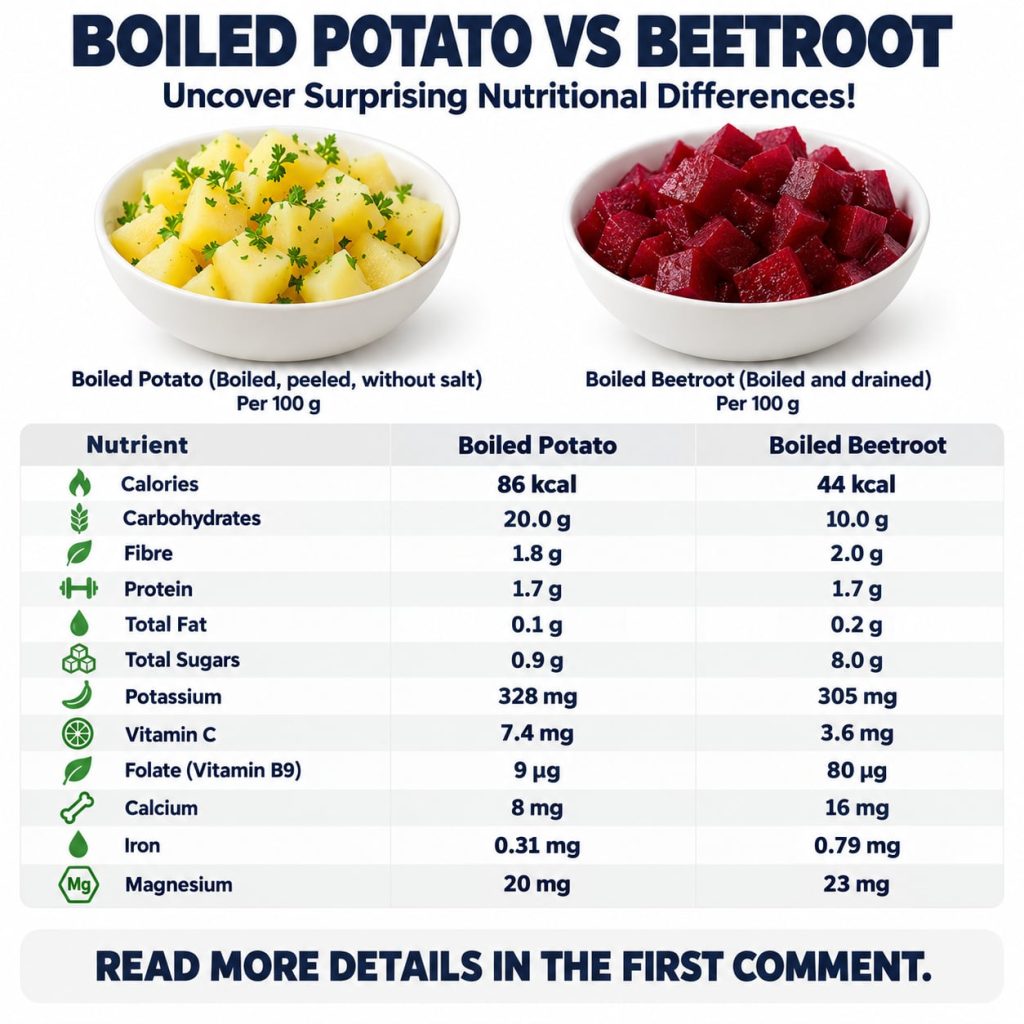
Nutritional Showdown: Potato Power
Often misunderstood, the humble potato, especially when boiled, is a powerhouse of essential nutrients. It’s a fantastic source of carbohydrates, providing readily available energy for your body and brain. But its benefits extend far beyond just energy.
- Potassium: Potatoes are particularly rich in potassium, an important electrolyte that plays a crucial role in maintaining fluid balance, nerve signals, and muscle contractions. Adequate potassium intake is also associated with supporting healthy blood pressure levels.
- Vitamin C: You might not immediately think of potatoes as a source of Vitamin C, but they certainly contribute! This antioxidant vitamin is vital for immune function, collagen production, and protecting cells from damage caused by free radicals.
- B Vitamins: Potatoes also offer various B vitamins, including B6, which are essential for energy metabolism and nervous system health.
Beetroot Brilliance: A Root with Riches
Beetroot, with its vibrant color and earthy flavor, is celebrated for its unique health-promoting compounds. This root vegetable is packed with a distinct set of vitamins, minerals, and plant compounds that offer a range of benefits.
- Folate (Vitamin B9): Beetroots are an excellent source of folate, which is crucial for cell growth and function, and particularly important for red blood cell formation.
- Iron: While not as high in iron as some other sources, the iron in beetroot can contribute to healthy blood oxygen transport and energy levels, helping to combat fatigue.
- Fiber: Both soluble and insoluble fiber are found in beetroots, making them beneficial for digestive health. Fiber helps promote regularity, supports a healthy gut microbiome, and may assist in managing blood sugar levels.
- Nitrates: Beetroots are well-known for their natural nitrates, which the body converts into nitric oxide. Nitric oxide is associated with blood vessel dilation, which may help support healthy blood flow and blood pressure.
Why Variety is Key to a Balanced Diet
As we’ve seen, both boiled potatoes and beetroots offer distinct nutritional profiles. Potatoes may provide more potassium and Vitamin C, which can be great for energy and immune support, while beetroots shine with folate, iron, and fiber, beneficial for blood health and digestion. Neither is inherently
