Most people focus on the creamy, nutrient-rich fruit of the avocado tree, eagerly adding it to their toast or salads. But what if we told you that the leaves – often overlooked and discarded – hold a treasure trove of benefits that many herbalists keep secret? It’s true. While the fruit gets all the attention, the humble avocado leaf offers surprising properties that can support your well-being in remarkable ways. Before you toss those leaves, read on to uncover a simple, traditional remedy that could become your new favorite daily ritual.
What Are Avocado Leaves?
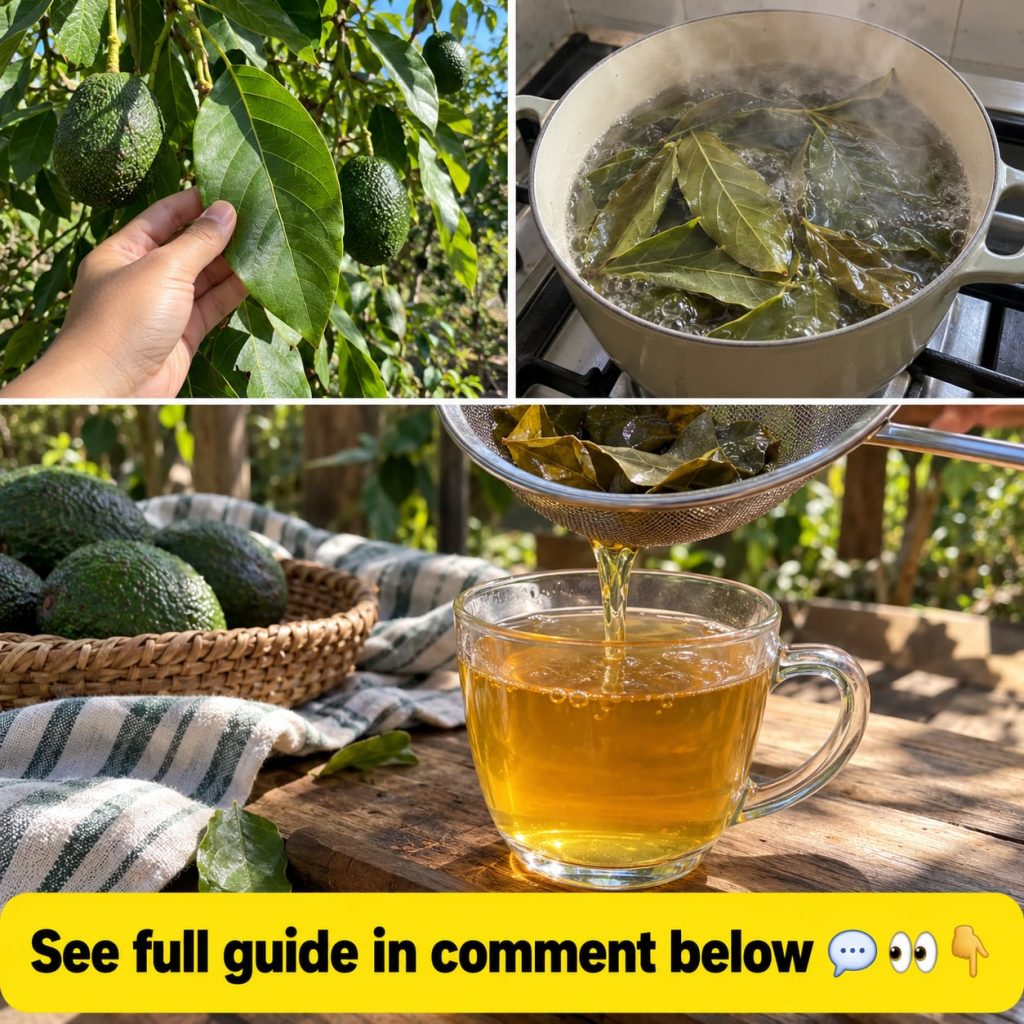
Avocado leaves come from the avocado tree (Persea americana), a native of South Central Mexico. These broad, evergreen leaves are typically dark green on the upper side and lighter underneath. Beyond their role in photosynthesis, traditional practices have long utilized these leaves, particularly for making a comforting and beneficial tea. They contain various compounds, including flavonoids, phenols, and terpenes, which are thought to contribute to their properties.
Ingredients for Avocado Leaf Tea
Making a simple avocado leaf tea requires minimal ingredients, focusing on freshness and quality.
- Avocado Leaves: Fresh or dried, ensure they are clean and free from pesticides.
- Water: Filtered water is always best for optimal taste and purity.
Approximate Measurements
Precision isn’t always key in herbal remedies, but these measurements provide a good starting point:
- Fresh Leaves: 3-5 medium-sized leaves per 1 cup (240ml) of water.
- Dried Leaves: 1-2 tablespoons of crushed dried leaves per 1 cup (240ml) of water.
Adjust the quantity based on your desired strength and personal preference.
Quick Tip: Fresh vs. Dried Leaves
| Feature | Fresh Avocado Leaves | Dried Avocado Leaves |
|---|---|---|
| Flavor Profile | More subtle, fresh, slightly nutty | More concentrated, earthy, robust |
| Potency | Generally milder, requires more leaves | Stronger, less quantity needed |
| Preparation | Rinse thoroughly, can be torn or roughly chopped | Crush or steep whole, strain easily |
| Storage | Refrigerate up to a week in a damp paper towel | Store in an airtight container for 6-12 months |
Formula / Recipe: Avocado Leaf Tea
This simple formula brings out the best in avocado leaves for a soothing tea.
Yields: 1 serving
Prep time: 2 minutes
Steep time: 10-15 minutes
Step-by-Step Method
- Gather Your Leaves: Select fresh, healthy avocado leaves. If using dried, measure them out.
- Rinse (if fresh): Gently rinse fresh leaves under cool running water to remove any dust or debris.
- Prepare the Leaves: For fresh leaves, you can tear them into smaller pieces to expose more surface area.
- Boil Water: Bring your filtered water to a rolling boil in a small pot or kettle.
- Add Leaves: Once the water boils, remove it from the heat. Add the fresh or dried avocado leaves to the hot water.
- Steep: Cover the pot and let the leaves steep for 10 to 15 minutes. Steeping too long can make the tea bitter.
- Strain: Strain the tea to remove the leaves, pouring the liquid into your favorite mug.
- Serve: Enjoy your warm avocado leaf tea.
How to Use Avocado Leaf Tea
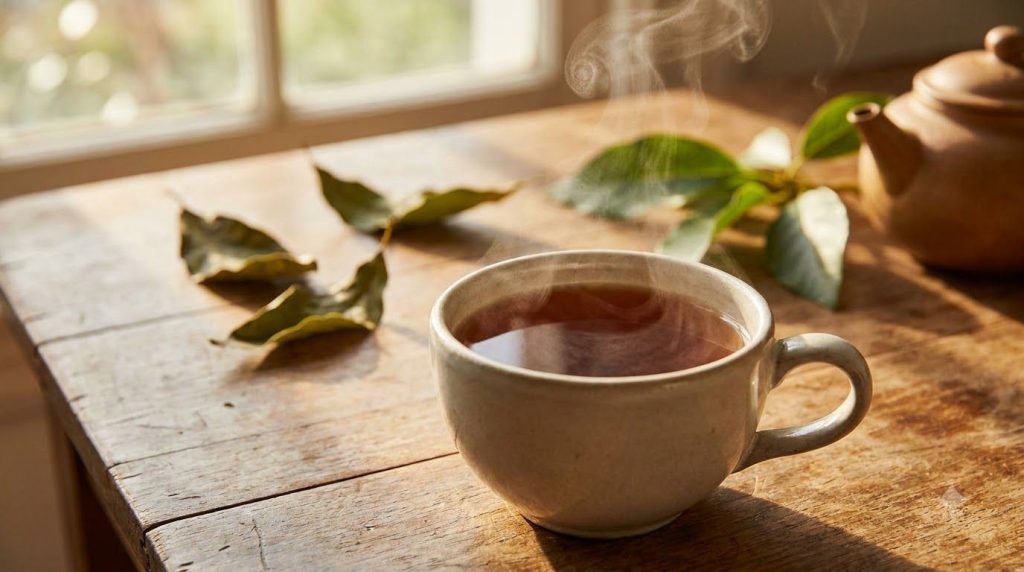
The primary way to use avocado leaves for wellness is by brewing them into a tea. This warm infusion can be enjoyed on its own or with a touch of honey or lemon for added flavor.
How Often to Use
For general wellness support, many people enjoy avocado leaf tea once or twice a day. It’s best to start with a smaller quantity and observe how your body responds before increasing frequency or concentration. Listen to your body and consult with a healthcare professional if you have any concerns.
How to Buy / How to Choose Ingredients
Sourcing quality avocado leaves is crucial for an effective and safe remedy.
- From Your Own Tree: If you have an avocado tree, this is the best option. Ensure the tree isn’t sprayed with pesticides or herbicides.
- Local Farmers Markets: Some organic farmers may sell avocado leaves. Inquire about their growing practices.
- Online Retailers: Look for reputable organic herbal suppliers. Check reviews and certifications to ensure quality.
- Avoid Roadside Plants: Leaves from trees near busy roads may be contaminated with exhaust fumes and other pollutants.
- Visual Inspection: Choose leaves that are vibrant green, free from spots, discoloration, or insect damage.
Storage
Proper storage ensures the longevity and potency of your leaves.
- Fresh Leaves: Wrap them in a damp paper towel and store them in a breathable bag in the refrigerator for up to one week.
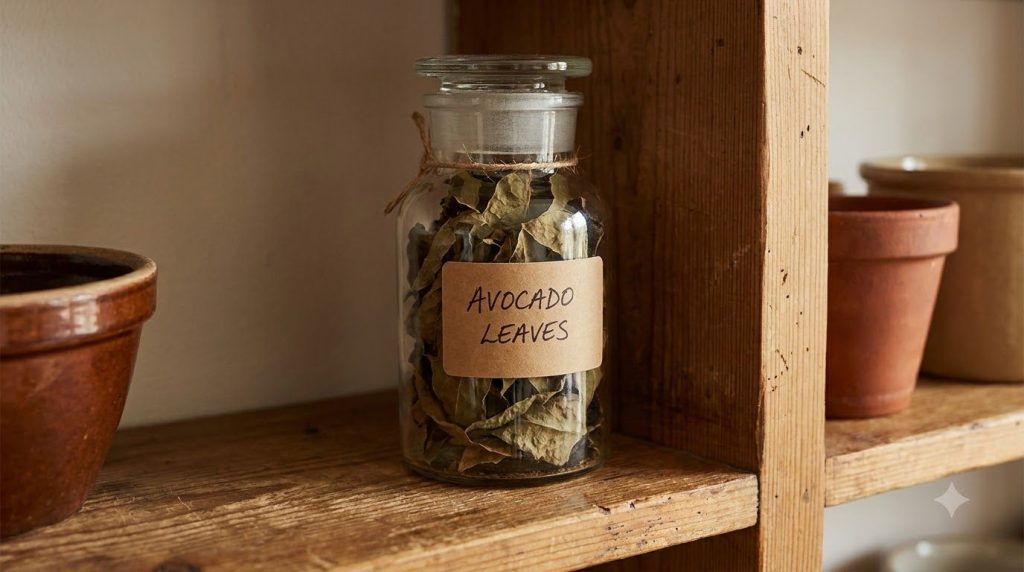
- Dried Leaves: Once fully dried, store them in an airtight container away from direct sunlight and moisture. They can last for 6-12 months.
- Prepared Tea: Avocado leaf tea is best consumed fresh. If you have leftovers, store it in an airtight container in the refrigerator for no more than 24 hours.
Practical Tips
- Drying Leaves: To dry fresh leaves, spread them in a single layer on a clean cloth or screen in a well-ventilated area away from direct sun. They are ready when they feel brittle and can be easily crushed.
- Enhance Flavor: A squeeze of fresh lemon or a spoonful of raw honey can enhance the taste of your avocado leaf tea.
- Experiment: Don’t be afraid to adjust the number of leaves or steeping time to find your preferred strength.
Common Mistakes
Avoid these common errors to get the most out of your avocado leaf remedy:
- Using Sprayed Leaves: Never use leaves from trees treated with pesticides or other harmful chemicals. Always ensure your source is organic.
- Boiling Too Long: Over-boiling the leaves can diminish their beneficial compounds and lead to a bitter taste. Steeping off the heat is ideal.
- Improper Drying: Not fully drying leaves before storage can lead to mold, making them unsafe for consumption.
- Storing in Wet Jars: Ensure your storage containers are completely dry before adding dried leaves.
- Ignoring Cautions: Skipping the important ‘who should avoid’ section can lead to adverse reactions.
Cautions / Who Should Avoid It
While generally considered safe for most healthy adults in moderation, there are some important considerations:
- Pregnancy and Breastfeeding: There is insufficient research on the safety of avocado leaf tea during pregnancy and breastfeeding. It’s best to avoid it.
- Medication Interactions: If you are on any medication, especially blood thinners or those for blood pressure, consult your doctor before consuming avocado leaf tea, as it may interact.
- Allergies: If you have an avocado allergy, you should avoid avocado leaves.
- Surgery: Discontinue use at least two weeks before any scheduled surgery due to potential effects on blood clotting.
Always err on the side of caution and consult a healthcare professional, especially if you have underlying health conditions.
Quick Summary
Avocado leaf tea is a simple, traditional remedy. Use 3-5 fresh or 1-2 tbsp dried leaves per cup of hot (not boiling) water, steeping for 10-15 minutes. Best for general wellness, consumed once or twice daily. Store fresh leaves in the fridge for a week, dried leaves in an airtight container for up to a year. Avoid pesticide-treated leaves and over-steeping. Pregnant/breastfeeding individuals, those on certain medications, or with avocado allergies should avoid it.
FAQ
- Can I use fresh or dried avocado leaves?
Yes, both fresh and dried leaves can be used to make tea. Dried leaves tend to be more potent, so you’ll need less. - How long does avocado leaf tea last?
It’s best consumed fresh. Any leftovers can be refrigerated for up to 24 hours. - Can I refrigerate fresh avocado leaves?
Yes, wrap them in a damp paper towel and place them in a breathable bag in the refrigerator for up to a week. - How often should I use avocado leaf tea?
Most people consume it once or twice daily. Start slowly and adjust based on your body’s response. - What part of the avocado tree is best for tea?
The mature leaves are typically used for tea. - Can I reuse the leaves for another batch of tea?
It’s not recommended. Most of the beneficial compounds are extracted in the first steep. - When should I avoid avocado leaf tea?
Avoid if pregnant, breastfeeding, on blood-thinning medication, or allergic to avocado. Consult a doctor if you have other health conditions.
Conclusion
The next time you enjoy an avocado, remember that the tree offers more than just its fruit. Its leaves, a true hidden treasure, provide a simple and accessible way to tap into nature’s remedies. By preparing a comforting cup of avocado leaf tea, you’re embracing a traditional practice that can support your well-being. Give this unassuming botanical a try and experience the quiet power of the avocado leaf.
You may also like: The Secret Life of Herbal Teas: Beyond the Common Brews
Read more: DIY Natural Remedies for Everyday Wellness