Most people admire the bottlebrush for its vibrant, fiery flowers, a striking display that brightens countless gardens and public spaces. But what if those eye-catching blossoms—and even the unassuming leaves—hold surprising secrets for your wellness you’ve been walking right past? This common plant, often enjoyed purely for its aesthetic appeal, harbors traditional uses that are a testament to nature’s resourceful pharmacy. It’s time to look beyond the beauty and unlock the practical potential of the humble bottlebrush.
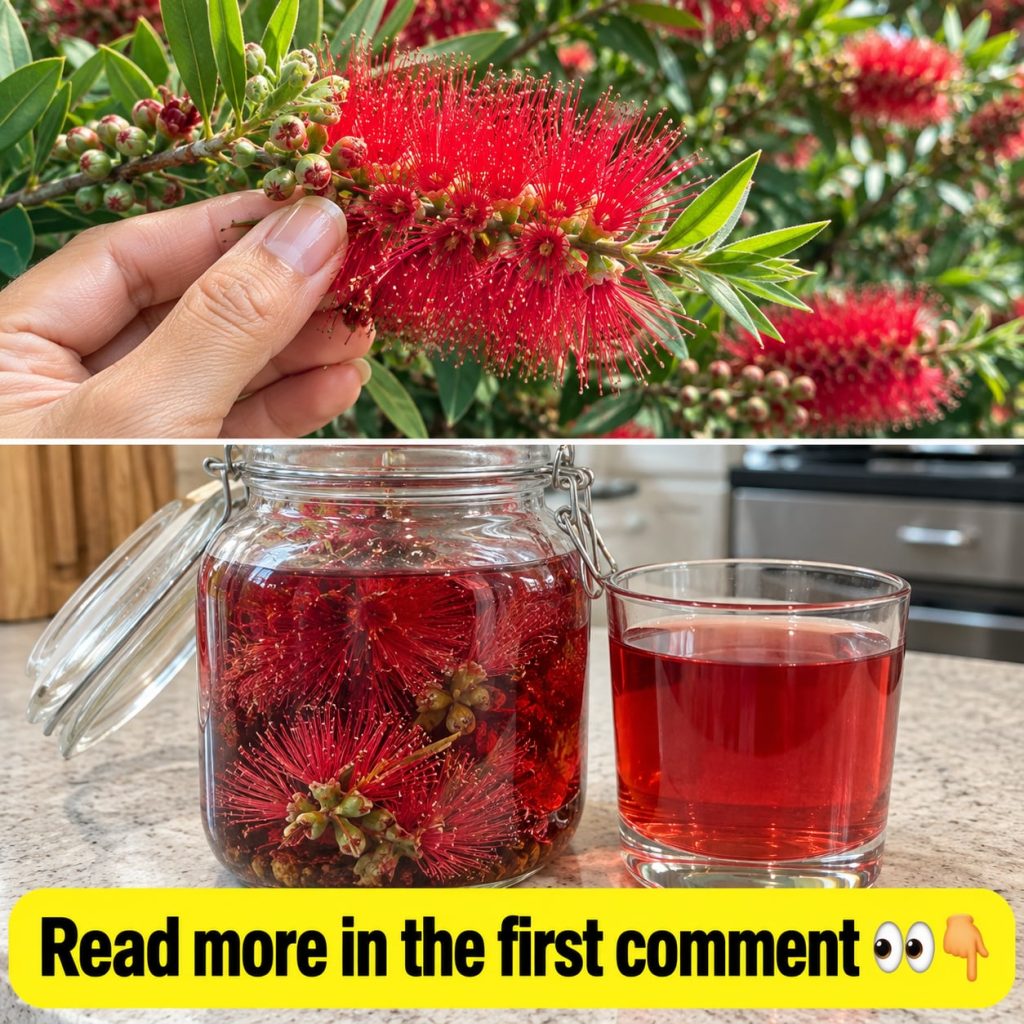
What It Is: The Callistemon Plant
The bottlebrush plant, scientifically known as Callistemon, is native to Australia and is widely cultivated globally for its distinctive, cylinder-shaped flowers that resemble a brush. While often grown as an ornamental, various species have been traditionally employed for their medicinal properties. These include potential soothing effects for skin, minor irritations, and even as a general tonic in some folk practices. The magic, as you’ll soon discover, lies in its leaves and flowers, which are rich in beneficial compounds.
Ingredients for Your Bottlebrush Remedy
To create a simple, soothing bottlebrush rinse or compress, you’ll need just one primary ingredient:
- Bottlebrush leaves and flowers: Aim for fresh, clean, unsprayed material. If fresh isn’t available, carefully dried leaves and flowers can also be used, though fresh is often preferred for potency.
- Water: Filtered or distilled water is best to ensure purity and avoid introducing other contaminants.
Approximate Measurements
- Approximately 1 cup (packed) of fresh bottlebrush leaves and flowers (or 1/2 cup dried).
- 2-3 cups of filtered water.
Formula / Recipe: Soothing Bottlebrush Rinse
This simple infusion can be used topically to calm minor skin irritations or as a clarifying hair rinse. It’s an accessible way to harness the plant’s properties without complicated steps.
Step-by-Step Method
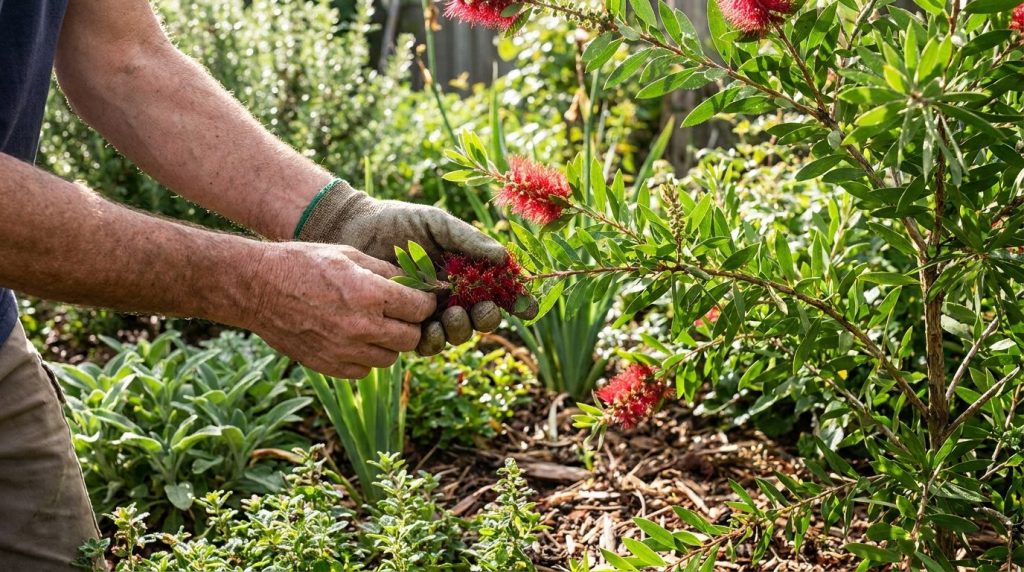
- Gather Your Plant Material: Carefully select healthy, green leaves and vibrant flowers from a bottlebrush plant that has not been sprayed with pesticides or herbicides. Avoid any leaves that look discolored or damaged.
- Clean Thoroughly: Rinse the gathered leaves and flowers under cool running water to remove any dirt, dust, or small insects. Pat them gently dry with a clean cloth or allow them to air dry.
- Prepare for Infusion: Roughly chop the leaves and flowers to expose more surface area. This helps extract their beneficial compounds more effectively.
- Boil Water: Bring 2-3 cups of filtered water to a rolling boil in a non-reactive pot (stainless steel or glass).
- Infuse: Remove the pot from the heat and immediately add the chopped bottlebrush material to the hot water. Stir gently.
- Steep: Cover the pot with a lid and let the mixture steep for at least 30 minutes, or even up to an hour, allowing it to cool naturally. The longer it steeps, the stronger the infusion will be.
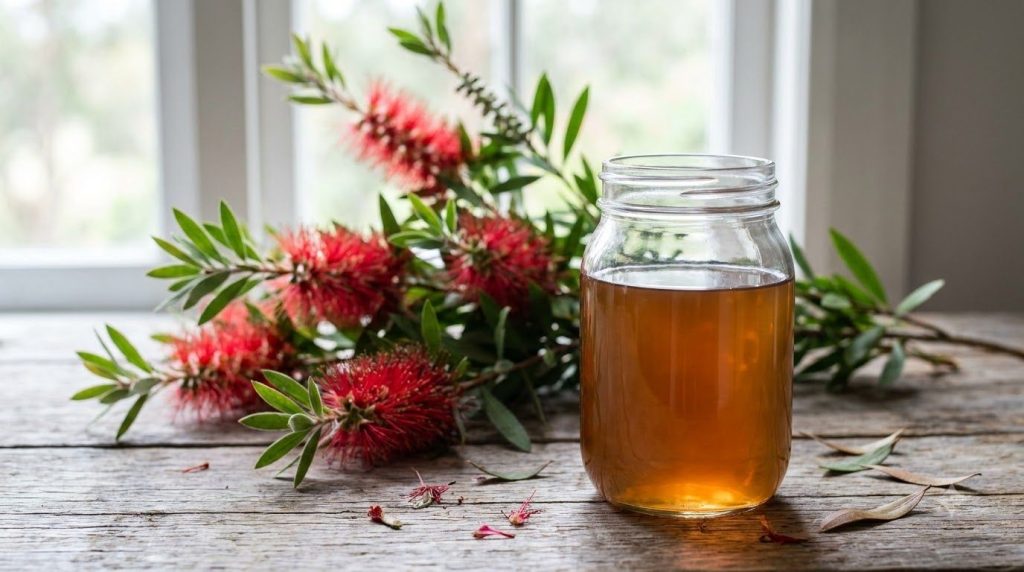
- Strain: Once cooled, strain the liquid through a fine-mesh sieve or cheesecloth into a clean glass jar or bottle, discarding the plant material. Squeeze out any remaining liquid from the plant material.
How to Use Your Bottlebrush Remedy
This infusion is primarily for topical use:
- For Skin: Soak a clean cloth or cotton pad in the cooled bottlebrush infusion. Apply it as a compress to minor skin irritations, insect bites, or areas needing soothing. Hold in place for 10-15 minutes.
- For Hair & Scalp: After shampooing, pour the cooled infusion over your hair and scalp. Gently massage into the scalp. You can rinse it out after a few minutes or leave it in, depending on your hair type and preference. It can help clarify the scalp and add shine.
How Often to Use
For skin issues, apply the compress 1-2 times daily as needed until improvement is observed. For a hair rinse, use 1-2 times per week. Observe how your skin and hair react and adjust frequency accordingly.
Quick Tip: Best Time to Use It
For skin compresses, apply after cleansing the skin. For hair rinses, use immediately after shampooing, before any conditioner, to allow the infusion to work on the scalp and hair strands effectively.
How to Buy / How to Choose Ingredients
The best way to ensure quality is to harvest bottlebrush from your own garden or from a trusted source that you know is free of pesticides and pollutants. If sourcing from the wild, be absolutely certain of your plant identification and ensure it’s not near roadsides or industrial areas. Choose vibrant green leaves and fresh, intact flowers.
Fresh vs. Dried Bottlebrush for Remedies
| Feature | Fresh Bottlebrush | Dried Bottlebrush |
|---|---|---|
| Potency | Generally higher, especially for volatile compounds. | Potency can decrease over time; convenient for storage. |
| Availability | Seasonal, requires fresh plant material. | Available year-round, can be stored. |
| Preparation | Direct use after cleaning. | May require slightly longer steeping time. |
| Storage | Short shelf life once harvested. | Can be stored for months in airtight containers. |
Storage
Store your bottlebrush infusion in a clean, airtight glass bottle or jar in the refrigerator. It typically lasts for 3-5 days. Discard if you notice any cloudiness, unusual smell, or signs of mold. For longer storage of dried material, keep dried leaves and flowers in an airtight container in a cool, dark place for up to 6-12 months.
Practical Tips
- Patch Test: Always perform a patch test on a small area of skin before applying the compress or rinse more broadly, especially if you have sensitive skin.
- Temperature: Ensure the infusion is completely cooled before applying it to your skin or hair.
- Consistency: For best results, use regularly and consistently according to the recommended frequency.
- Complementary Care: This remedy is for minor issues. Always consult a healthcare professional for persistent or severe conditions.
Common Mistakes
- Using Sprayed Plants: Harvesting from areas treated with pesticides or herbicides can introduce harmful chemicals to your remedy. Always ensure your source is clean.
- Boiling the Plant Material: Boiling the leaves and flowers directly can destroy some delicate compounds. Infusing with hot, but not continuously boiling, water is generally preferred for herbal preparations.
- Improper Storage: Leaving the infusion at room temperature or in an unsealed container can lead to bacterial growth and spoilage.
- Skipping the Strain: Not properly straining the infusion can leave small plant particles that might irritate skin or hair.
Cautions / Who Should Avoid It
While generally considered safe for topical use, it’s wise to exercise caution:
- Allergies: If you have known allergies to plants in the Myrtaceae family (which includes eucalyptus and tea tree), perform a very cautious patch test or avoid use.
- Open Wounds: Do not apply to deep cuts, severe burns, or open wounds. Consult a doctor for these conditions.
- Children and Pregnant/Nursing Women: Always consult a healthcare professional before using any herbal remedy, especially for children or during pregnancy and breastfeeding.
- Internal Use: This article focuses solely on topical applications. Do not ingest bottlebrush preparations without expert guidance, as some species may have varying levels of toxicity or interactions.
Quick Summary
The bottlebrush offers a simple, natural remedy for topical use. Prepare an infusion from its leaves and flowers to create a soothing compress for minor skin irritations or a clarifying hair rinse. Always ensure your plant material is clean and unsprayed. Store the liquid in the refrigerator for up to 5 days. Remember to patch test and discontinue use if irritation occurs.
You may also like: See our full guide on the surprising uses of Tea Tree Oil for skin.
FAQ
- Can I use fresh or dried bottlebrush for the rinse?
Both fresh and carefully dried leaves/flowers can be used. Fresh is often more potent, but dried is convenient for storage. - How long does the bottlebrush infusion last?
When stored in an airtight container in the refrigerator, it typically lasts for 3-5 days. - Can I refrigerate the dried leaves?
Dried leaves and flowers are best stored in a cool, dark, dry place in an airtight container, not necessarily the refrigerator, to prevent moisture buildup. - How often should I use the hair rinse?
Using it 1-2 times per week as a post-shampoo rinse is a good starting point. Adjust based on your hair and scalp’s response. - What part of the bottlebrush plant is best to use?
Both the leaves and the vibrant flowers are used in traditional preparations. Ensure they are healthy and clean. - Is bottlebrush safe to consume?
This article focuses exclusively on topical uses. We do not recommend internal consumption without expert guidance due to varying species and potential toxicity. - What if I don’t have a bottlebrush plant?
While ideal to harvest yourself, you might find dried bottlebrush leaves/flowers from reputable herbal suppliers, if available in your region. Always verify the species and source.
Read more: Learn how to make other soothing DIY herbal compresses for everyday use.
Conclusion
The common bottlebrush, more than just a garden showstopper, holds a subtle power in its leaves and flowers, offering simple, natural remedies for skin and hair. By understanding its traditional uses and following straightforward preparation steps, you can tap into this botanical treasure. Remember, nature provides abundantly, and sometimes, the most surprising benefits are found in the plants we see every day, waiting to be discovered. Harness this natural secret responsibly, and enjoy the gentle touch of a garden remedy.
Continue with: Explore other natural ingredients for radiant, healthy skin.