Most people eagerly await the sweet, succulent fruit of the papaya tree, often overlooking the true powerhouse hiding in plain sight: its leaves. While the fruit gets all the attention, the leaves are what many herbalists and traditional wellness practitioners value for their distinct properties. One small preparation mistake, however, can diminish their potency. Are you ready to uncover the overlooked potential of papaya leaves and how to harness their benefits correctly?
What Are Papaya Leaves?
Papaya (Carica papaya) is a tropical fruit tree native to Central America and Southern Mexico, now cultivated in many warm climates. While its ripe fruit is enjoyed globally, the large, deeply lobed leaves have a long history of use in traditional medicine. They are recognized for containing unique compounds not found in the fruit itself, making them a subject of increasing interest for those seeking natural remedies. These leaves are a distinct part of the plant, often prepared into teas, juices, or extracts.
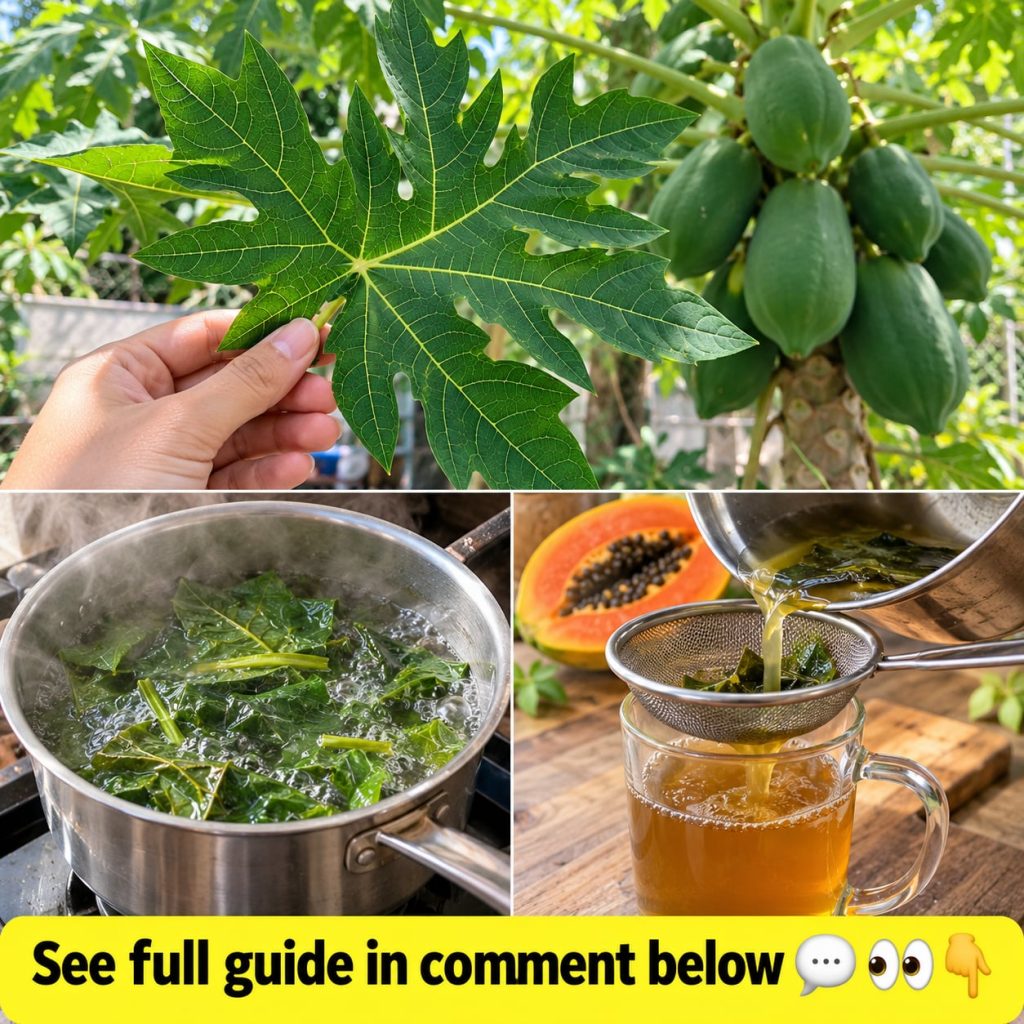
Ingredients for a Papaya Leaf Tea
Preparing a simple papaya leaf tea is one of the most common and effective ways to utilize these powerful leaves. Here’s what you’ll need:
- Fresh papaya leaves: 5-7 medium-sized leaves, or
- Dried papaya leaves: 1-2 tablespoons, crushed
- Water: 4 cups (about 1 liter)
Approximate Measurements
For fresh leaves, aim for a handful that roughly equates to about 10-15 grams. If using dried leaves, a tablespoon is typically around 2-3 grams. These measurements are approximate and can be adjusted slightly based on the desired strength and your personal preference. Consistency is key for regular use.
Formula / Recipe: Papaya Leaf Tea
This recipe provides a potent infusion, ideal for regular consumption.
- Gather your chosen papaya leaves, ensuring they are clean.
- If using fresh leaves, wash them thoroughly under cold running water to remove any dirt or residue.
- Tear or chop the leaves into smaller pieces to maximize surface area for extraction.
- Bring water to a rolling boil in a non-reactive pot (stainless steel or glass).
- Add the chopped fresh leaves or crushed dried leaves to the boiling water.
- Reduce the heat to a simmer and cover the pot.
- Let it simmer for 15-20 minutes.
- Remove from heat and let it steep, covered, for another 10-15 minutes.
- Strain the liquid into a cup or a clean jar, discarding the leaf material.
Quick Tip: Fresh vs. Dried
While both fresh and dried papaya leaves can be used, fresh leaves generally offer a more vibrant flavor and are considered more potent by many traditional practitioners. Dried leaves are convenient for storage and have a longer shelf life, but ensure they are properly dried and stored to retain their efficacy. If you have access to fresh leaves, prioritize them for the best results.
Step-by-Step Method: Preparing Your Papaya Leaf Tea
Following these detailed steps ensures you extract the maximum benefit from your papaya leaves:
- Selection & Cleaning: Choose healthy, green leaves free from yellowing, spots, or pest damage. Rinse them under cold water, gently scrubbing both sides.
- Chopping: Lay the clean leaves flat and chop them roughly. Smaller pieces allow for better infusion.
- Boiling Water: Use filtered water if possible. Bring 4 cups to a full boil in a clean saucepan.
- Add Leaves: Once the water is boiling vigorously, add your chopped fresh or dried leaves.
- Simmer & Cover: Immediately reduce the heat to low. Cover the pot to prevent the beneficial compounds from escaping with the steam. Simmer for 15-20 minutes. The water color will deepen to a rich amber.
- Steep: Turn off the heat but leave the pot covered. Let it steep for an additional 10-15 minutes. This cooling period further aids in extraction.
- Strain: Using a fine-mesh strainer, pour the tea into a heat-proof container. Press down on the leaf material with a spoon to extract any remaining liquid.
- Serve: Your papaya leaf tea is ready! It can be enjoyed warm or allowed to cool.
How to Use Papaya Leaf Tea
Papaya leaf tea is typically consumed as a beverage. It has a slightly bitter taste, which some find an acquired taste. You can drink it plain or add a touch of natural sweetener like honey or stevia, or a squeeze of lemon juice to enhance the flavor. It’s often consumed on an empty stomach for better absorption, though this is not strictly necessary.
How Often to Use It
For general wellness support, a common recommendation is to drink one cup of papaya leaf tea once or twice a day. For specific needs, consultation with a healthcare professional or an experienced herbalist is advisable, as usage frequency might vary. It’s often recommended for short periods of time, followed by a break, rather than continuous daily use for extended durations.
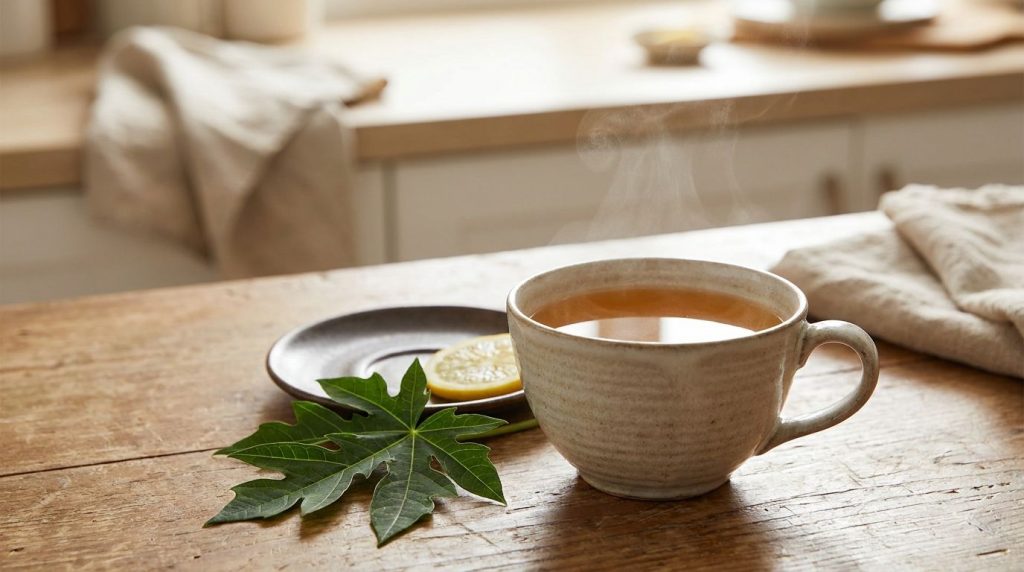
How to Buy / How to Choose Ingredients
If you’re buying fresh papaya leaves, look for bright green, unblemished leaves that are firm to the touch. Avoid leaves with yellowing, brown spots, or holes, as these indicate damage or disease. If purchasing dried leaves, ensure they come from a reputable source, are organically grown, and are free from additives or pesticides. Check for a fresh, earthy aroma, and avoid any that smell musty or stale. Growing your own papaya tree is also an excellent option to ensure a constant supply of fresh, pesticide-free leaves.
Storage
Fresh Leaves: Store fresh papaya leaves in a sealed plastic bag in the refrigerator for up to 3-5 days. For longer storage, you can wash, dry, and freeze them in an airtight container for up to a month, though their texture may change upon thawing. You can also dry them yourself by hanging them in a cool, dark, well-ventilated area until brittle, then crush and store.
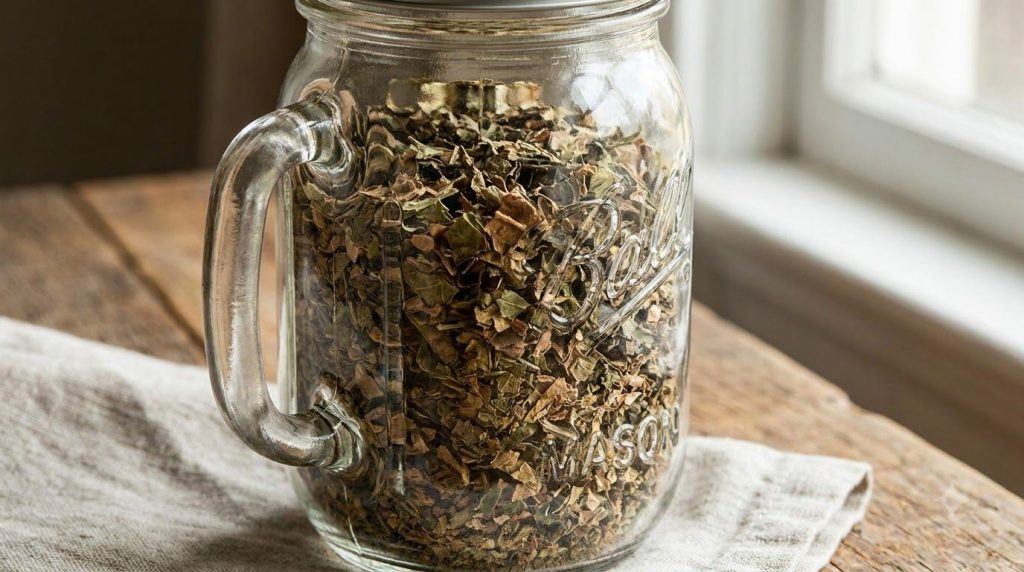
Dried Leaves: Keep dried papaya leaves in an airtight container in a cool, dark place away from direct sunlight and moisture. They can last for 6-12 months, retaining their potency.
Prepared Tea: Brewed papaya leaf tea can be stored in an airtight container in the refrigerator for up to 24-48 hours. It’s best consumed fresh for optimal potency.
Did You Know?
The bitterness in papaya leaf tea comes from compounds like papain and chymopapain. While they contribute to the tea’s unique flavor, these enzymes are also key to its traditional uses and are often attributed to its health-supporting properties.
Practical Tips
- Source Matters: Always use leaves from organic or unsprayed papaya plants. Pesticides can be concentrated in leaves.
- Taste Adjustment: If the bitterness is too strong, start with fewer leaves and gradually increase the quantity as you get used to the taste.
- Consistency: For best results, incorporate the tea into a consistent daily routine.
- Combine: Some people like to mix papaya leaf tea with ginger or mint tea to modify the flavor profile.
Common Mistakes
- Using Damaged Leaves: Yellowed, spotted, or pest-eaten leaves may lack potency and could introduce unwanted substances.
- Boiling Too Long/High Heat: Over-boiling or using excessively high heat can destroy some of the delicate enzymes and compounds in the leaves. Simmering is key.
- Storing Improperly: Leaving fresh leaves exposed to air will cause them to wilt quickly. Storing dried leaves in humid conditions can lead to mold.
- Using Sprayed Plants: Always verify that the papaya plant has not been treated with chemical pesticides.
- Ignoring Cautions: Failing to consider individual health conditions or potential interactions can be risky.
Cautions / Who Should Avoid It
While generally considered safe for most adults in moderate amounts, papaya leaf preparations come with considerations. Pregnant or breastfeeding women should avoid papaya leaf tea due to potential effects on uterine contractions or unknown impacts on infants. Individuals on blood-thinning medications or those with bleeding disorders should consult their doctor before use, as papaya leaf may have anticoagulant properties. People with known allergies to papaya or other tropical fruits should also exercise caution. Always start with a small amount to check for any adverse reactions.
Quick Summary
- Best Preparation: Papaya leaf tea, made from simmering fresh or dried leaves.
- Best Use-Case: General wellness support; consult a professional for specific health concerns.
- Storage: Fresh leaves in fridge (3-5 days), dried leaves in airtight container (6-12 months), brewed tea in fridge (24-48 hours).
- When to Use: 1-2 cups daily, ideally on an empty stomach.
- What to Avoid: Damaged leaves, high heat boiling, improper storage, use during pregnancy/breastfeeding, or with blood thinners.
FAQ
- Can I use fresh or dried papaya leaves?
Both fresh and dried leaves can be used. Fresh leaves are often preferred for potency, but dried leaves are convenient for storage. - How long does papaya leaf tea last?
Brewed tea is best consumed within 24-48 hours if refrigerated. Fresh leaves last 3-5 days in the fridge, dried up to a year. - Can I refrigerate the brewed tea?
Yes, store in an airtight container in the refrigerator for up to two days. - How often should I use it?
Typically 1-2 cups per day, but consult a healthcare professional for personalized advice. - Can I freeze papaya leaves?
Yes, wash and dry fresh leaves, then freeze them in an airtight bag or container for up to a month. - What part of the leaf is best?
The entire leaf is used; chopping it helps in extraction. - Can I reuse the leaves for another brew?
It’s not recommended. The first brew extracts most of the beneficial compounds. - When should I avoid it?
Avoid if pregnant, breastfeeding, on blood thinners, or allergic to papaya.
Conclusion
Papaya leaves are indeed a hidden treasure, offering a unique profile of compounds that support wellness when prepared and used correctly. By understanding the simple steps to make a potent tea and being mindful of common mistakes and cautions, you can confidently integrate this natural remedy into your routine. Don’t let the fruit overshadow the leaf; unlock the full potential of this remarkable plant for your well-being.
You may also like: Read more about other natural remedies for daily wellness.
Continue with: See the full guide to making your own herbal teas at home.