Most people walk past a hidden goldmine in their own backyard every single day. They nurture other plants, prune their hedges, and mow their lawns, completely unaware that one of the most nutrient-dense plants on the planet might be thriving just feet away, often dismissed as merely another tree. This isn’t just any tree; it’s a powerhouse of nutrition and an incredible natural remedy that many cultures have revered for centuries, yet it remains largely unrecognized in Western backyards. It’s time to uncover why this unassuming tree truly is worth more than gold.
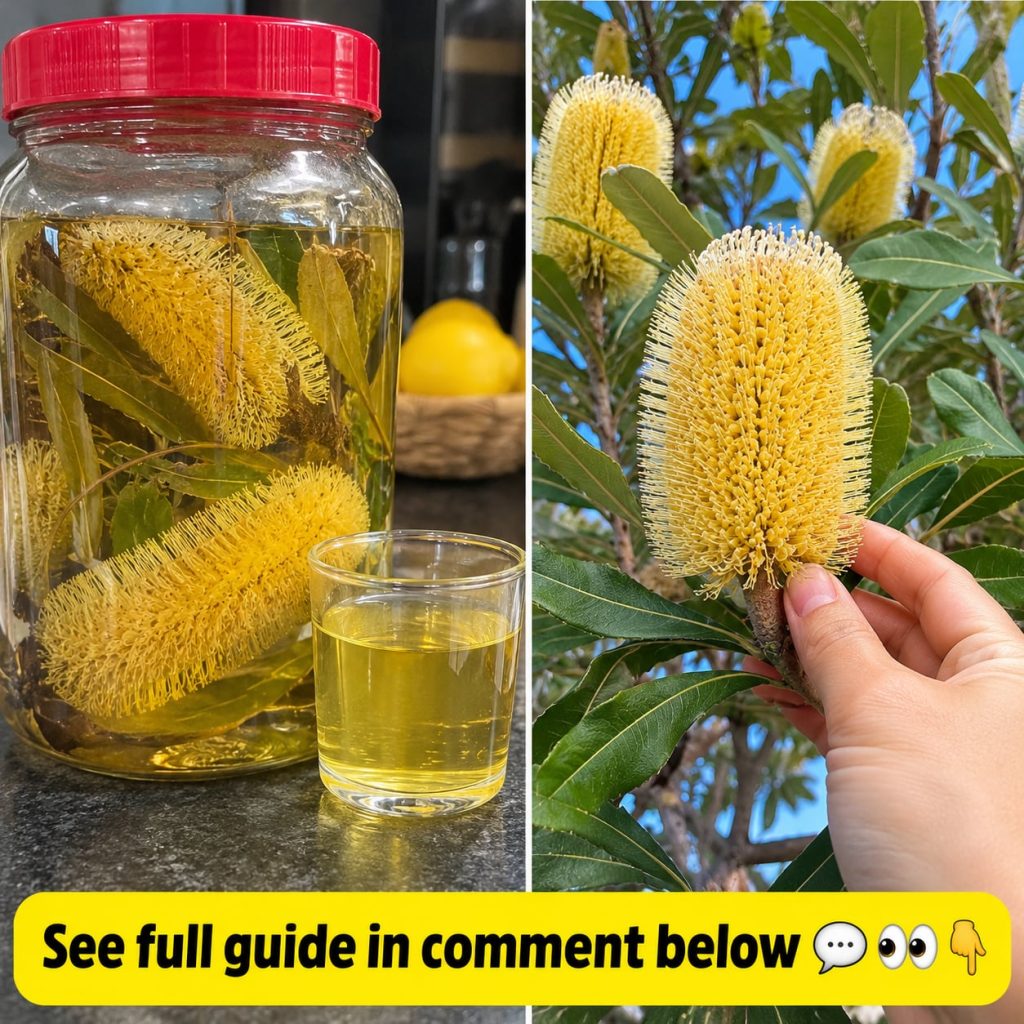
What is this Backyard Treasure?
The tree we’re talking about is Moringa oleifera, often called the “Miracle Tree,” “Drumstick Tree,” or “Horseradish Tree.” Native to India but now cultivated globally in tropical and subtropical regions, Moringa is celebrated for its incredible nutritional profile and medicinal properties. Every part of the tree — leaves, pods, flowers, and even seeds — offers unique benefits, but it’s the leaves that truly stand out as a superfood.
Moringa leaves are packed with vitamins, minerals, amino acids, and antioxidants. Gram for gram, they contain more Vitamin C than oranges, more Vitamin A than carrots, more calcium than milk, more potassium than bananas, more iron than spinach, and more protein than yogurt. This makes it an invaluable asset for overall wellness, immunity, energy, and even managing various health concerns.
Ingredients for Your Moringa Remedy
For most home remedies and nutritional uses, the primary ingredient is the fresh or dried leaves of the Moringa tree. If you have a tree, you have a continuous supply. If not, high-quality dried Moringa leaf powder is widely available.
- Fresh Moringa Leaves: Harvested directly from the tree, these can be used in salads, smoothies, stir-fries, or brewed as tea.
- Dried Moringa Leaves: Air-dried leaves retain much of their nutritional value and can be crumbled or powdered for long-term storage and versatile use.
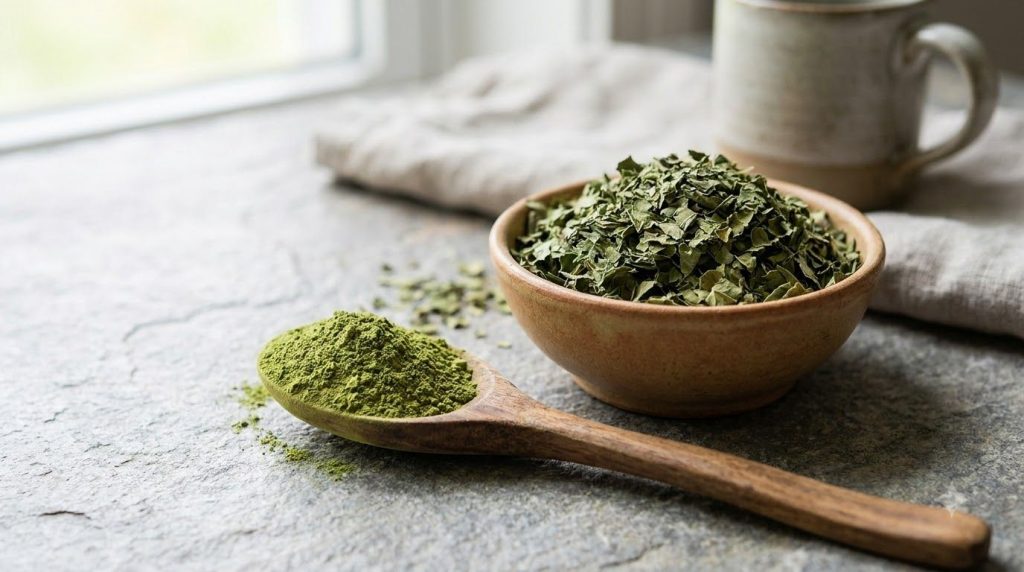
- Moringa Powder: The most common form, made from finely ground dried leaves.
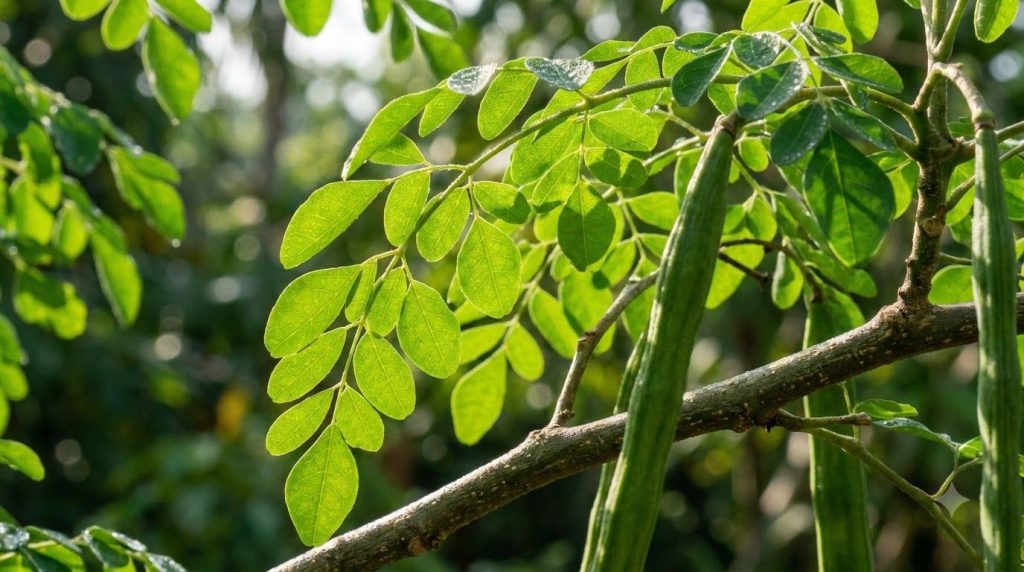
Approximate Measurements and Formula: Moringa Leaf Powder
The most practical way to preserve and use Moringa is by making your own dried leaf powder. This extends its shelf life and allows for easy integration into your daily diet.
Formula / Recipe: Homemade Moringa Leaf Powder
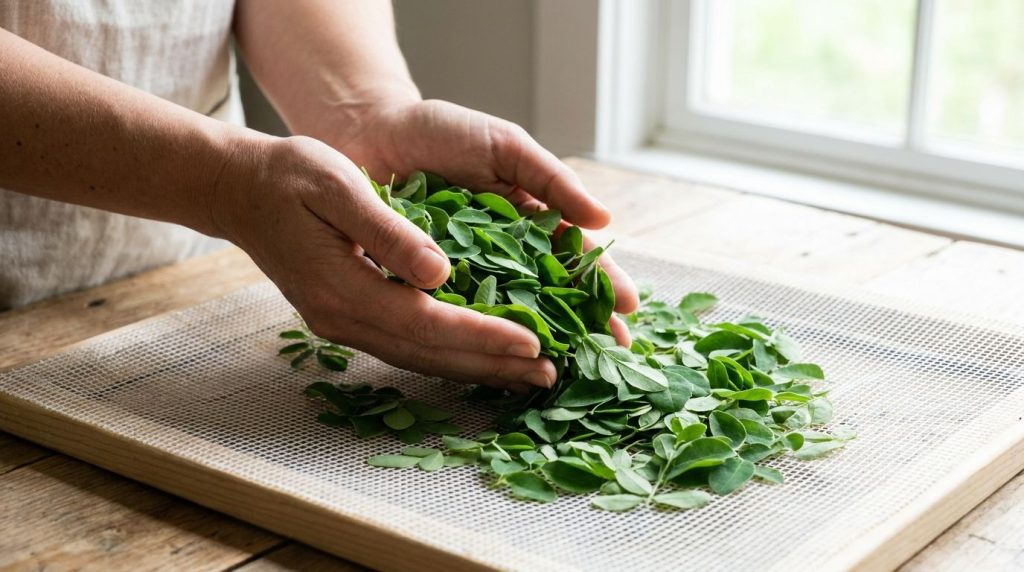
- Harvest: Gather a generous amount of fresh, healthy Moringa leaves from your tree. Avoid any leaves that show signs of pest damage or discoloration.
- Wash: Rinse the leaves thoroughly under cool running water to remove any dirt or insects.
- Strip: Gently strip the leaves from their stems. The thin stems are generally edible, but for a finer powder, separate the leaves.
- Dry: This is the most crucial step.
- Air Drying (Best): Spread the leaves in a single layer on clean trays, screens, or cloth in a well-ventilated, shaded area. Avoid direct sunlight, as it can degrade nutrients.
- Dehydrator: Set your dehydrator to a low temperature (around 100-115°F or 38-46°C) and dry until crispy.
- Grind: Once the leaves are completely dry and brittle, use a clean coffee grinder, blender, or mortar and pestle to grind them into a fine powder.
- Sieve (Optional): For an extra fine powder, sift it through a fine-mesh sieve to remove any remaining coarse bits.
Best Time to Use It
Moringa powder can be used daily, ideally in the morning or early afternoon. Its energizing properties make it a great addition to your breakfast smoothie or mid-day pick-me-up. Avoid taking large doses right before bed if you are sensitive to stimulating effects, though it typically doesn’t contain caffeine.
How to Use Your Moringa Powder
The versatility of Moringa powder is one of its greatest strengths. Here are a few popular ways:
- Smoothies: Add 1-2 teaspoons to your favorite fruit or vegetable smoothie for an instant nutritional boost.
- Drinks: Stir into water, juice, or a warm cup of herbal tea.
- Soups & Stews: Mix into your favorite savory dishes during the last few minutes of cooking to preserve nutrients.
- Salad Dressings: Whisk into homemade vinaigrettes.
- Baking: Incorporate into bread, muffins, or energy bars for a green twist.
How Often to Use
For general wellness, starting with 1/2 to 1 teaspoon of Moringa powder daily is recommended. You can gradually increase to 2-3 teaspoons per day, spread throughout meals, as your body adjusts. Listen to your body and adjust dosage as needed. Consistency is key for experiencing its full benefits.
How to Buy / How to Choose Ingredients
If you don’t have a Moringa tree, buying quality products is essential.
- Look for Organic: Choose certified organic Moringa powder to avoid pesticides and other contaminants.
- Source Matters: Research brands that source their Moringa from reputable farms with sustainable practices.
- Color & Scent: Good quality Moringa powder should be vibrant green and have a fresh, slightly earthy scent. Avoid dull, brownish powder or anything with a musty odor.
- Fresh vs. Dried:
Here’s a quick comparison:
| Feature | Fresh Moringa Leaves | Dried Moringa Powder |
|---|---|---|
| Nutrient Retention | Highest, especially Vitamin C | Excellent, concentrated (Vitamin C decreases slightly) |
| Availability | Seasonal (if you grow it) | Year-round |
| Storage | Refrigerate for a few days | Airtight, cool, dark place (6-12 months) |
| Usage | Cooking, salads, smoothies, tea | Smoothies, cooking, capsules, tea |
| Concentration | Less concentrated | Highly concentrated |
Storage
Proper storage ensures the longevity and potency of your Moringa products.
- Fresh Leaves: Store unwashed leaves in a plastic bag in the refrigerator for up to a week. Wash just before use.
- Dried Leaves/Powder: Store in an airtight container in a cool, dark, dry place away from direct sunlight and moisture. This can preserve potency for 6-12 months. Refrigeration or freezing is not typically necessary for powder and can introduce moisture.
Practical Tips for Maximizing Benefits
- Harvest Young Leaves: Younger, more tender leaves are often preferred for their milder flavor and nutrient density.
- Rotate Crops: If growing, rotate your harvesting to allow the tree to recover and produce new growth.
- Start Small: Introduce Moringa gradually into your diet to allow your body to adjust.
- Mix It Up: Don’t rely solely on one method. Enjoy fresh leaves when available and powder for daily consistency.
Common Mistakes to Avoid
Even with a “miracle tree,” mistakes can diminish its potential.
- Improper Drying: Drying in direct sunlight or in a humid environment can lead to nutrient loss or mold growth. Always choose shade and good ventilation.
- Using Sprayed Plants: Ensure your Moringa tree (or purchased product) is free from pesticides or harmful chemicals. This is especially critical if harvesting from communal or wild areas.
- Over-Boiling Leaves: If making a tea or adding to cooked dishes, avoid prolonged high heat, as it can degrade heat-sensitive nutrients like Vitamin C.
- Incorrect Storage: Storing powder in an open container or exposed to light and moisture will quickly diminish its potency and shelf life.
- Overconsumption: While generally safe, excessive amounts can sometimes lead to mild digestive upset in sensitive individuals. Stick to recommended dosages.
Cautions / Who Should Avoid It
While Moringa is widely considered safe for most people, certain groups should exercise caution:
- Pregnancy and Breastfeeding: There isn’t enough reliable information about the safety of consuming large amounts of Moringa during pregnancy. Some studies suggest potential uterine contractions. It’s best to consult a healthcare provider.
- Medication Interactions: Moringa may lower blood sugar and blood pressure. Individuals on diabetes medication or blood pressure medication should monitor their levels closely and consult a doctor, as dosage adjustments may be necessary.
- Anticoagulants: Moringa contains Vitamin K, which can affect blood clotting. If you are on blood-thinning medication (like Warfarin), discuss Moringa use with your doctor.
Quick Summary: Your Backyard’s Hidden Gold
Moringa oleifera is a nutritional powerhouse available right from your backyard. Best used as a dried leaf powder, it’s a versatile ingredient packed with essential vitamins, minerals, and antioxidants. Incorporate 1-3 teaspoons daily into smoothies, meals, or teas. Store the powder in an airtight container in a cool, dark place to maintain potency for up to a year. Avoid improper drying, excessive heat, and consult a doctor if pregnant or on certain medications.
FAQ
- Can I eat fresh Moringa leaves raw?
Yes, fresh Moringa leaves can be eaten raw in salads, blended into smoothies, or juiced. - How much Moringa powder should I take daily?
Start with 1/2 to 1 teaspoon daily and gradually increase to 2-3 teaspoons per day, split into multiple doses, as desired. - Is fresh or dried Moringa better?
Both are excellent. Fresh leaves have higher Vitamin C, while dried powder is more concentrated in other nutrients and has a longer shelf life, making it more convenient for daily use. - Can pregnant women use Moringa?
It’s best to consult a healthcare provider before using Moringa during pregnancy or breastfeeding, due to insufficient safety data. - How long does Moringa powder last?
When stored properly in an airtight container in a cool, dark place, Moringa powder can last for 6-12 months. - What does Moringa taste like?
Moringa has an earthy, slightly grassy, and subtly pungent taste, often compared to spinach or horseradish. The flavor is milder in younger leaves. - Can I grow Moringa in a pot?
Yes, Moringa can be successfully grown in large pots or containers, especially in cooler climates where it can be brought indoors during winter. - When should I avoid using Moringa?
Avoid if pregnant, breastfeeding, or if you are on medications for diabetes or high blood pressure without consulting a doctor first.
Conclusion
The Moringa tree truly lives up to its “Miracle Tree” moniker. With its abundance of nutrients and ease of cultivation, it’s a valuable asset that many of us unknowingly possess. By learning how to properly harvest, prepare, and use its leaves, you can unlock a source of natural wellness that’s literally growing in your own backyard. Don’t let this green gold go unnoticed any longer; start incorporating this amazing gift from nature into your life today.
You may also like: Read more about other powerful backyard superfoods.
Related remedy: See our full guide on energizing herbal teas.
Continue reading: Discover more DIY gardening tips for beginners.