Mosquitoes are more than just a nuisance; they’re carriers of diseases and can quickly turn your outdoor space into an itchy nightmare. Often, the biggest challenge is controlling them before they even become flying adults. If you’ve noticed an uptick in mosquito activity, or simply want to be proactive, tackling them at the larval stage in their breeding grounds is incredibly effective.
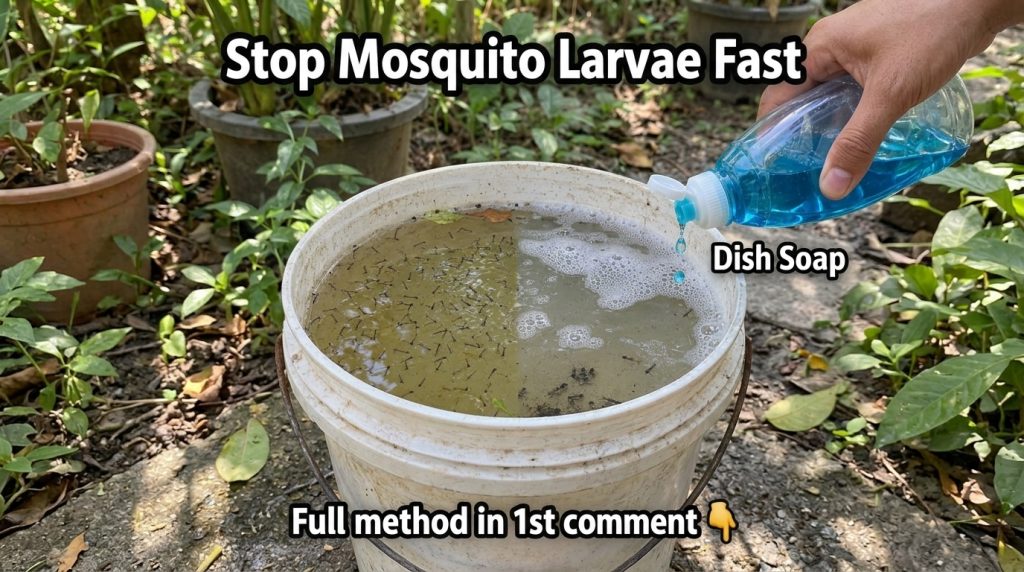
This simple DIY bucket trap offers an easy, affordable way to target mosquito larvae directly. By disrupting the surface tension of water, you can effectively drown these pests, stopping them before they hatch and add to your local mosquito population. It’s a low-effort solution that can make a big difference in managing these pervasive insects.
What You’ll Need
- One 5-gallon bucket (or any similar-sized container)
- Tap water
- 1-2 tablespoons liquid dish soap
Why This DIY Can Be Useful
Mosquitoes lay their eggs in stagnant water, and these eggs hatch into larvae, often called ‘wigglers.’ These larvae breathe through a tube that pokes through the water’s surface. The brilliance of this DIY trap lies in the dish soap.
When you add dish soap to water, it reduces the surface tension. Mosquito larvae rely on this surface tension to stay at the water’s surface and breathe. Without it, they can’t effectively reach the air and will eventually drown. Furthermore, the standing water acts as an attractant for adult mosquitoes looking for a place to lay their eggs, potentially luring them to the soapy water where they, too, may become trapped or lay eggs that won’t survive.
How to Make It
- Take your clean 5-gallon bucket and fill it nearly to the brim with tap water.
- Add 1-2 tablespoons of liquid dish soap to the water. The exact amount can vary slightly, but you want enough to create a noticeable layer of foam when disturbed.
- Gently stir the water with your hand or a stick until a decent layer of foam forms on the surface. The foam helps create a consistent barrier and can trap adult mosquitoes that land on it.
How to Use It
- Placement: Place the bucket trap outdoors in areas where you’ve noticed mosquito activity or where you have other sources of stagnant water. Shaded, still locations are often preferred by mosquitoes for egg-laying.
- Application: No further application is needed once the trap is set up. The soapy water does the work.
- Maintenance: Check your trap every few days. If the foam has dissipated or the water level has dropped significantly due to evaporation, add a bit more water and dish soap, and stir to refresh the foam.
- Refreshing the Trap: It’s crucial to empty and clean the bucket thoroughly once a week. This prevents the bucket itself from becoming a long-term breeding ground if the soap becomes ineffective or diluted over time. Rinse out any dead larvae and refresh with new soapy water.
What to Expect
You can expect to see a noticeable reduction in mosquito larvae in and around the immediate vicinity of your trap. Many will drown in the soapy water. You might also find some adult mosquitoes trapped on the foamy surface. This method is an excellent supplementary tool in your overall mosquito control strategy, especially for targeting the breeding stages.
It’s important to understand that this trap won’t completely eliminate all mosquitoes in your area, but it will significantly cut down on the number of new mosquitoes emerging. Consistency is key for the best results.
Helpful Tips
- Add Organic Matter: To make the trap even more attractive to egg-laying mosquitoes, you can add a handful of decaying leaves or a bit of cut grass to the water. This mimics natural breeding sites and can entice more mosquitoes to the trap.
- Multiple Traps: For larger yards or areas with significant mosquito problems, consider setting up a few of these traps in different locations to maximize their effectiveness.
- Eliminate Other Breeding Sites: While this trap is useful, always remember to eliminate other sources of standing water in your yard, such as clogged gutters, old tires, birdbaths (clean regularly!), and uncovered pet water bowls, to further reduce mosquito populations.
Important Notes / Safety
- Children and Pets: Keep the bucket trap out of reach of small children and pets, as ingesting soapy water can be harmful.
- Surfaces: Be mindful of where you place the bucket to avoid accidental spills of soapy water onto sensitive plants or areas where it might be a slip hazard.
- Rinsing: When emptying the trap, dispose of the water in an area where it won’t immediately create new puddles or run directly into sensitive garden beds.
