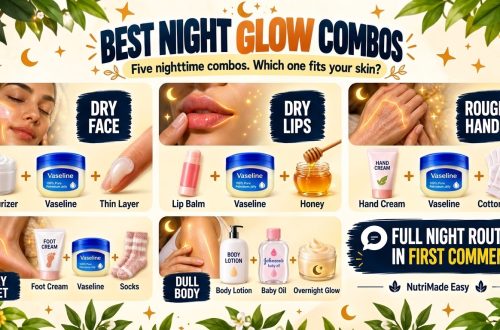
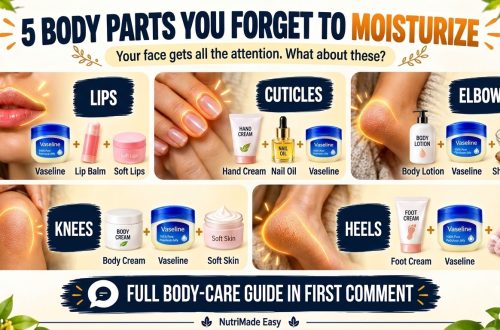
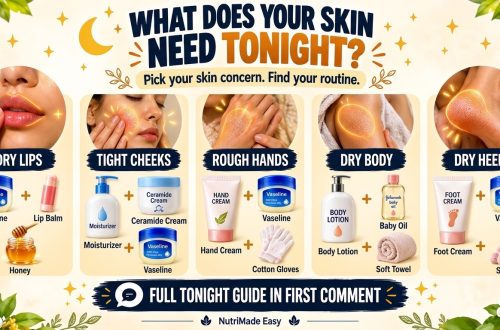
Ever found yourself staring at the skincare aisle, wondering whether to reach for Baby Oil or Vaseline? Both are long-standing staples in many households, celebrated for their moisturizing properties. However, despite their similar appearances as clear, emollient substances, they serve different primary purposes and excel in distinct skincare scenarios. Understanding these differences can help you make the best choice for your skin’s specific needs, from soothing dryness to healing cracked skin.
This guide will break down the unique characteristics and best uses for both Baby Oil and Vaseline, helping you decide which one is the hero your skin truly needs in any given situation. Let’s dive in and unlock the secrets to a healthier, happier complexion!
Understanding Baby Oil: Lightweight Moisture and Versatility
Baby Oil is primarily made of mineral oil, often lightly fragranced, and is known for its smooth, non-sticky texture. It’s a classic for a reason, providing a gentle form of hydration and a protective barrier without feeling heavy.
Key Benefits and Uses of Baby Oil:
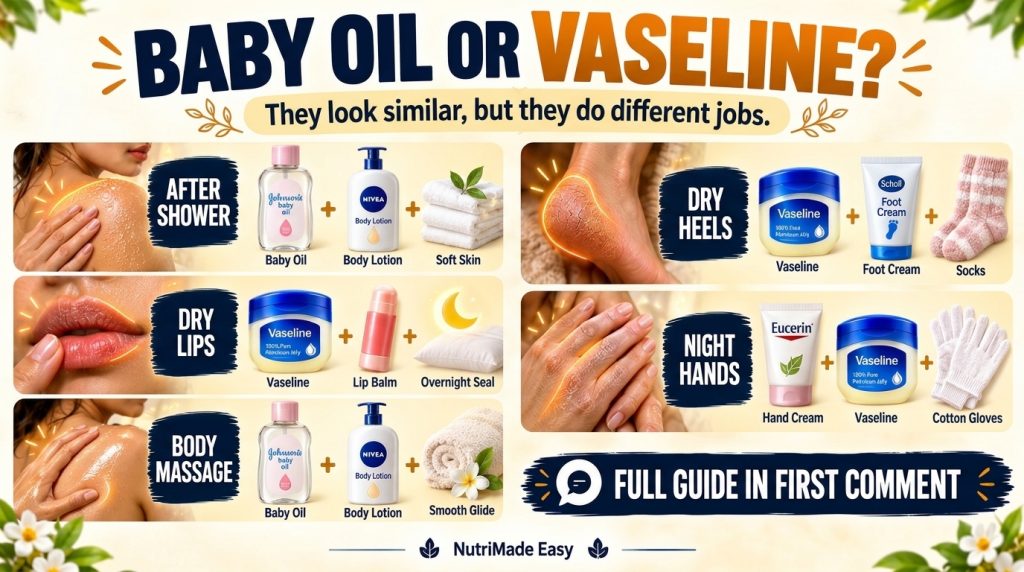
- Everyday Moisturizer: Applied to damp skin right after a shower or bath, Baby Oil helps to seal in moisture, leaving your skin feeling soft and smooth. It creates an occlusive barrier that prevents water loss from the skin’s surface.
- Massage Oil: Its smooth glide makes it an excellent choice for gentle massages, either for relaxation or to help alleviate muscle tension.
- Makeup Remover: Baby Oil can effectively dissolve stubborn makeup, including waterproof mascara, without harsh rubbing. Simply apply a small amount to a cotton pad and gently wipe away.
- Shaving Aid: Applying a thin layer before shaving can help the razor glide more smoothly, reducing irritation and leaving legs feeling extra soft.
- Cuticle Care: Massaging a tiny drop into your cuticles can help soften them and promote healthy nail growth.
Considerations for Baby Oil:
While generally safe, individuals with acne-prone skin may want to use Baby Oil cautiously on their face, as mineral oil can be comedogenic for some, potentially leading to breakouts. It’s best suited for body hydration and specific targeted uses.
Understanding Vaseline (Petroleum Jelly): The Ultimate Protective Barrier
Vaseline, or petroleum jelly, is a semi-solid mixture of mineral oils and waxes. It’s known for creating an incredibly effective occlusive barrier on the skin, making it a powerful tool for intensive protection and healing.
Key Benefits and Uses of Vaseline:
- Intensive Moisture Barrier: Vaseline is unparalleled at locking in moisture and preventing water loss, making it ideal for very dry, rough, or cracked skin, such as heels, elbows, and knees. It’s a key player in the popular ‘slugging’ trend for overnight facial hydration.
- Protection for Minor Wounds: Applying a thin layer to minor cuts, scrapes, or burns can help protect the wound, keep it moist, and prevent infection by forming a protective seal.
- Chafing Prevention: Athletes often use Vaseline to prevent chafing in areas prone to friction, like inner thighs or underarms.
- Lip Balm: It’s an excellent, affordable choice for chapped lips, providing immediate relief and long-lasting protection.
- Healing Dry Patches: For extremely dry or irritated patches of skin, Vaseline can provide significant relief and support the skin’s natural healing process.
Considerations for Vaseline:
While Vaseline is non-comedogenic for most people (meaning it won’t clog pores), its thick consistency can feel heavy or greasy. It’s often best applied to slightly damp skin to help seal in existing moisture.
Baby Oil vs. Vaseline: Choosing Your Skincare Champion
Now that we’ve explored each product individually, let’s put them head-to-head in common skincare scenarios:
- For Everyday Hydration: If you’re looking for a lightweight, easy-to-spread moisturizer after a shower, Baby Oil is often preferred for its smooth feel and quick absorption.
- For Extremely Dry or Cracked Skin: When your skin needs serious protection and intense moisture locking, Vaseline is the clear winner. Its occlusive properties are unmatched for healing and preventing further moisture loss.
- For Makeup Removal: Baby Oil is generally more suitable for dissolving makeup, especially eye makeup, due to its lighter texture. Vaseline can be used, but might feel too heavy or greasy around the eyes for some.
- For Massage: Baby Oil’s smooth consistency makes it ideal for body massages. Vaseline’s stickier texture is less comfortable for this purpose.
- For Protecting Minor Cuts or Chafing: Vaseline provides a superior protective barrier, making it the better choice for preventing chafing or assisting in the healing of small skin injuries.
- For Lip Care: Both can be effective, but Vaseline often provides a more robust and longer-lasting barrier for severely chapped lips.
Which One Should You Choose?
Ultimately, both Baby Oil and Vaseline are valuable tools in your skincare arsenal. Your choice depends entirely on your specific need:
- Choose Baby Oil for general body hydration, a relaxing massage, or gentle makeup removal.
- Choose Vaseline for intensive hydration on very dry or cracked skin, protecting minor wounds, preventing chafing, or for seriously chapped lips.
Many people find that using both products at different times and for different purposes provides the most comprehensive care. Listen to your skin, observe how it responds, and integrate these trusty skincare staples into your routine as needed!
Which one do you use most often, and for what? Share your tips below!