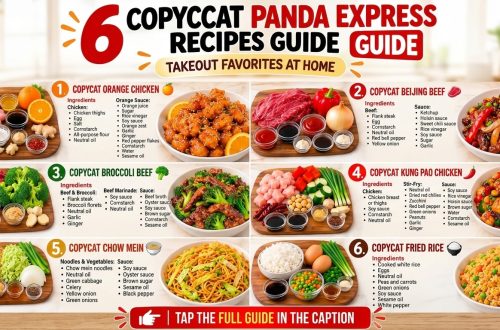
Your Takeout Favorites, Mastered at Home!
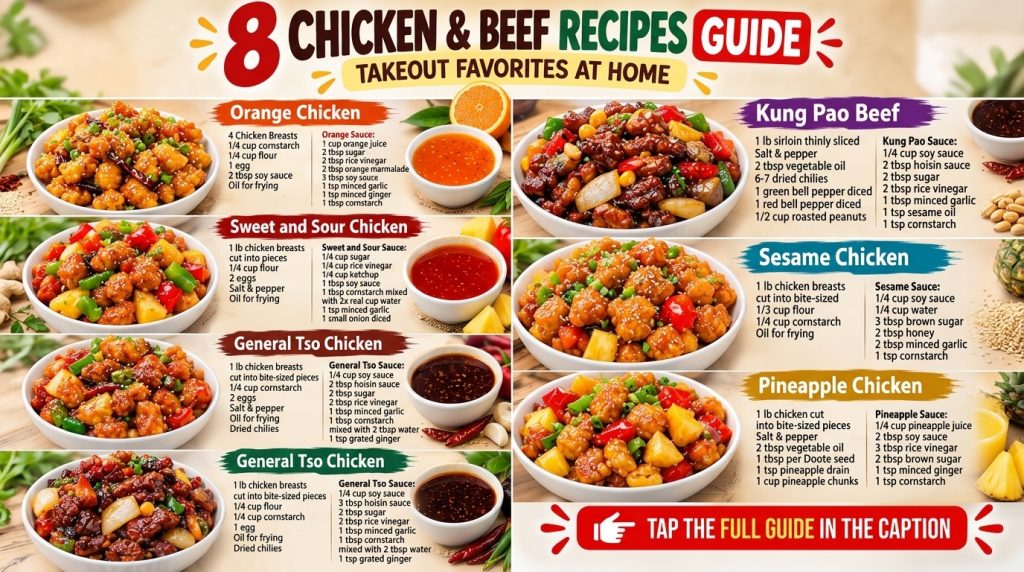
Craving the irresistible flavors of your favorite Chinese takeout but want to enjoy them with fresh, wholesome ingredients? You’re in the right place! Mastering homemade Chinese takeout is not as daunting as it might seem. With a few key ingredients, simple techniques, and a dash of confidence, you can recreate those beloved dishes right in your own kitchen.
This comprehensive guide will equip you with the knowledge to prepare delicious, customizable, and healthier versions of classic Chinese takeout meals. We’ll delve into essential pantry staples, fundamental cooking methods like stir-frying, and even provide a versatile, all-purpose stir-fry sauce recipe to get you started. Get ready to impress your family and friends (and yourself!) with incredible homemade Chinese food.
Why You’ll Love This Approach to Homemade Chinese Takeout
There are countless reasons to swap your takeout menu for a wok. Here’s why mastering homemade Chinese takeout will become your new favorite:
- Control Over Ingredients: Choose fresh vegetables, quality proteins, and healthier oils. You can also significantly reduce sodium and unhealthy additives often found in restaurant versions.
- Customizable Flavors: Adjust the spice level, sweetness, and saltiness to perfectly match your palate. Love extra garlic? Go for it! Prefer it spicier? Add more chili.
- Budget-Friendly: Cooking at home is almost always more economical than ordering delivery. You’ll get more meals for your money, often with leftovers for the next day.
- Dietary Adaptability: Easily cater to dietary restrictions or preferences. Make it gluten-free with tamari, vegetarian with tofu, or load up on extra vegetables.
- Freshness and Quality: Experience the vibrant taste of freshly cooked ingredients, straight from your pan to your plate. No more soggy noodles or wilted veggies!
- Fun & Rewarding: There’s immense satisfaction in creating your favorite dishes from scratch. It’s a rewarding culinary adventure you’ll want to repeat.
Key Ingredients for Your Homemade Chinese Takeout Pantry
Stocking your pantry with these essentials will make whipping up Chinese dishes a breeze. Many of these items keep well for a long time:
- Soy Sauce: Opt for low-sodium for better control over saltiness. Tamari is a great gluten-free alternative.
- Sesame Oil: Used for its distinct nutty aroma, typically added at the end of cooking.
- Rice Vinegar: Adds a crucial tangy balance to sauces.
- Cornstarch: The secret to thickening sauces and achieving that glossy finish. Also used for velveting proteins.
- Fresh Ginger & Garlic: The aromatic backbone of most Chinese dishes.
- Chili Garlic Sauce or Sriracha: For adding a kick of heat.
- Oyster Sauce: (Optional, for non-vegetarians) Adds a savory, umami depth.
- Chicken or Vegetable Broth: Forms the liquid base for many sauces.
- Neutral Cooking Oil: High smoke point oils like canola, grapeseed, peanut, or avocado oil are ideal for stir-frying.
- Common Proteins: Chicken breast or thighs, beef (flank steak, sirloin), shrimp, tofu.
- Common Vegetables: Broccoli, bell peppers, snap peas, carrots, bok choy, onions, mushrooms.
Essential Equipment for Chinese Cooking at Home
You don’t need a professional kitchen, but a few key tools will make your cooking experience more efficient and enjoyable:
- Wok or Large Skillet: A wok is ideal for stir-frying due to its sloped sides and even heat distribution, but a large, heavy-bottomed skillet or cast-iron pan will also work well.
- Sharp Knife & Cutting Board: Essential for precise and efficient ingredient preparation.
- Whisk: For smoothly combining sauce ingredients and cornstarch slurry.
- Measuring Cups & Spoons: Accuracy is important for balanced flavors in sauces.
- Heat-Resistant Spatula or Tongs: For stirring and tossing ingredients in a hot pan.
How to Master Homemade Chinese Takeout
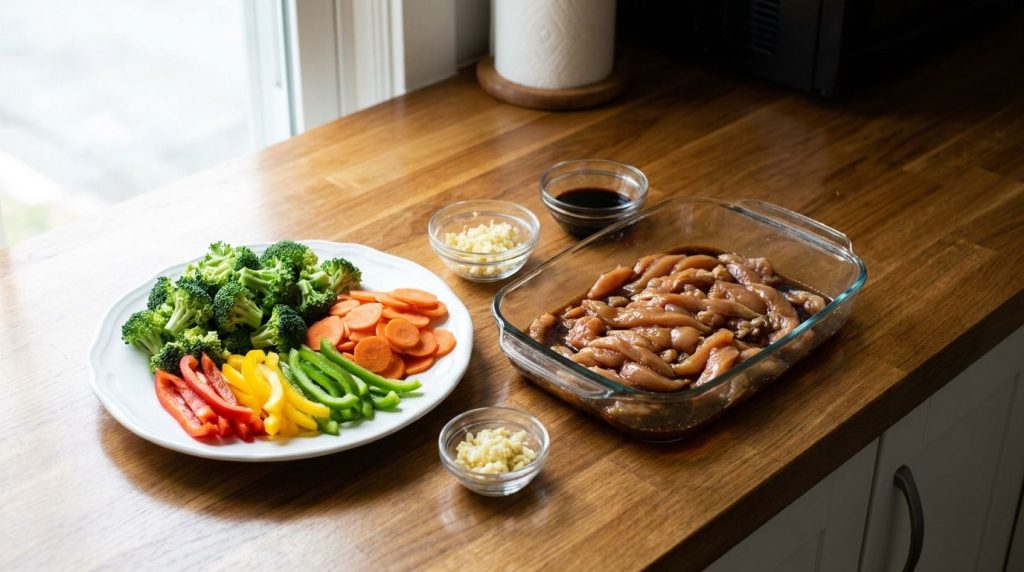
Success in homemade Chinese takeout lies in understanding a few fundamental principles:
The Art of Stir-Frying
Stir-frying is a quick cooking method that relies on high heat and constant movement. The goal is to cook ingredients rapidly while retaining their crisp-tender texture and vibrant color. Always ensure your pan is piping hot before adding ingredients, and cook in batches if necessary to avoid overcrowding.
Building a Flavorful Sauce
The sauce is arguably the heart of any Chinese takeout dish. It provides the signature flavor profile – a balance of savory, sweet, tangy, and sometimes spicy. Cornstarch is key for thickening the sauce to coat your ingredients perfectly. Our All-Purpose Stir-Fry Sauce, provided in the recipe card below, is a fantastic starting point.
Perfectly Cooked Proteins
Whether it’s chicken, beef, or tofu, proper preparation and quick cooking are essential. Marinating proteins, often with soy sauce, cornstarch, and sometimes a touch of oil, helps tenderize them and adds flavor. Cook proteins just until done to prevent them from becoming tough or dry.
Crisp-Tender Vegetables
Vegetables should be cooked until they are tender but still retain a slight bite and their natural color. Harder vegetables like carrots and broccoli may benefit from a quick blanching or steaming before stir-frying, or they can be added earlier to the wok. Softer vegetables like bell peppers and bok choy should be added towards the end.
Accompanying Your Meal
No takeout meal is complete without its traditional side. Fluffy steamed rice (white or brown) is a classic choice, but stir-fried noodles or even quinoa can also make excellent bases for your homemade dishes.
Pro Tips for the Best Homemade Chinese Takeout
- Mise en Place is Key: This French culinary term means “everything in its place.” Chop all your vegetables, slice your protein, mix your sauce, and have everything ready before you turn on the heat. Stir-frying is fast, so you won’t have time to prep during cooking.
- Hot Wok, Less Stick: Preheat your wok or skillet over high heat until it’s smoking lightly before adding oil. This helps create a non-stick surface and ensures a proper stir-fry.
- Thin & Even Cuts: Cut all ingredients, especially proteins and harder vegetables, into uniform, bite-sized pieces. This promotes even and quick cooking.
- Marinate Your Protein: Even a 15-minute marinade with a bit of soy sauce and cornstarch can significantly enhance the flavor and tenderness of your chicken or beef.
- Taste and Adjust: Always taste your sauce before adding it to the wok, and again after cooking. Adjust sweetness, saltiness, or spice as needed.
- Don’t Overcrowd: This is crucial for stir-frying. If your pan is too full, ingredients will steam instead of sear, resulting in a soggy outcome. Cook in batches if necessary.
Common Mistakes to Avoid When Making Chinese Takeout at Home
- Overcrowding the Pan: As mentioned, this is the most common mistake. It drops the pan temperature, making ingredients steam and become mushy instead of getting a good sear.
- Low Heat: Stir-frying requires high heat. If your heat is too low, ingredients will release moisture, steam, and become bland and soggy.
- Uneven Chopping: Ingredients cut into different sizes will cook at different rates, leading to some being overcooked and others undercooked.
- Adding Sauce Too Early or Late: Adding sauce too early can burn it, while adding it too late might not allow it to thicken properly or coat the ingredients thoroughly.
- Skipping the Cornstarch Slurry: The slurry is essential for thickening the sauce and giving it that signature glossy takeout texture. Don’t just add cornstarch directly, as it will clump.
Variations & Customizations for Your Take Out Favorites
One of the joys of cooking at home is the ability to customize. Here are some ideas to make your homemade Chinese takeout truly yours:
- Protein Swaps: Easily switch between chicken, beef, shrimp, pork, or plant-based proteins like tofu or tempeh depending on your craving.
- Vegetable Medley: Use whatever vegetables are fresh and in season. Snap peas, water chestnuts, bamboo shoots, and baby corn are all great additions.
- Spice Level: Amp up the heat by adding more chili garlic sauce, Sriracha, a pinch of red pepper flakes, or a few dried chilies to your stir-fry.
- Sweetness Adjustment: Tailor the sweetness of your sauce by increasing or decreasing the amount of brown sugar, honey, or other sweeteners.
- Flavor Profile Variations: Explore different flavor profiles by adding a spoonful of black bean sauce for a savory depth, hoisin sauce for a richer, sweeter glaze, or even a touch of peanut butter for a satay-inspired dish.
- Noodle Dishes: Instead of rice, use your favorite noodles (chow mein, lo mein, rice noodles) as the base for a delicious noodle stir-fry.
Serving Suggestions
Complete your homemade Chinese takeout experience with these perfect pairings:
- Steamed Rice: Fluffy white or brown rice is the classic accompaniment, soaking up all the delicious sauce.
- Fried Rice: Transform leftover rice into a quick fried rice for an extra layer of flavor and texture.
- Lo Mein Noodles: Serve your stir-fry over a bed of warm lo mein noodles instead of rice.
- Simple Steamed Greens: A side of blanched or steamed bok choy, broccoli, or asparagus adds a fresh, light counterpoint.
- Store-Bought Sides: For added convenience, serve with store-bought egg rolls, spring rolls, or potstickers.
Storage & Reheating Your Homemade Chinese Dishes
Enjoying your homemade takeout as leftovers is one of the best parts!
- Refrigerator Storage: Store any leftover stir-fries or sauces in airtight containers in the refrigerator for 3-4 days.
- Freezer Suitability: While cooked stir-fries are best enjoyed fresh, they can be frozen for 1-2 months. However, be aware that the texture of some vegetables might become softer upon reheating. Sauces, like our All-Purpose Stir-Fry Sauce, can be frozen for longer in an airtight container for up to 3 months.
- Reheating Method: For best results, reheat stir-fries gently on the stovetop in a skillet over medium heat, adding a splash of water or broth if the dish seems dry. You can also microwave leftovers until heated through, stirring occasionally.
FAQ About Homemade Chinese Takeout
Here are answers to some common questions about making Chinese takeout at home:
Q: Can I make homemade Chinese food gluten-free?
A: Absolutely! Simply swap regular soy sauce for tamari or a gluten-free soy sauce alternative. Always double-check labels on other ingredients like hoisin or oyster sauce to ensure they are gluten-free.
Q: What kind of oil is best for stir-frying?
A: Use a neutral-flavored oil with a high smoke point, such as canola oil, grapeseed oil, peanut oil, or avocado oil. These oils can withstand the high heat required for proper stir-frying without burning.
Q: Do I really need a wok, or can I use a regular pan?
A: While a wok is ideal for stir-frying due to its unique shape and superior heat distribution, a large, heavy-bottomed skillet or cast-iron pan can also yield excellent results. Just ensure it’s large enough to avoid overcrowding.
Q: How do I prevent my vegetables from getting soggy?
A: The key is high heat, not overcrowding the pan, and cooking vegetables in stages based on their density. Harder vegetables go in first, softer ones later. Quickly cooking them maintains their crisp-tender texture.
Q: Can I prepare ingredients ahead of time for stir-fries?
A: Yes, and it’s highly recommended! Chop all your vegetables, slice and marinate your protein, and mix your sauce ahead of time. This “mise en place” makes stir-frying much quicker and less stressful.
Q: Is homemade Chinese food healthier than ordering takeout?
A: Generally, yes. When you cook at home, you have complete control over the amount of oil, sodium, and sugar used, and you can choose fresh, high-quality ingredients. This often results in a lighter, healthier meal compared to restaurant versions.
Q: My sauce isn’t thickening. What went wrong?
A: This usually happens if the cornstarch wasn’t properly dissolved in cold water (to make a slurry) before being added, or if the sauce wasn’t heated enough after adding the slurry. Ensure your pan is hot and whisk the sauce constantly until it thickens.
Recipe Card: All-Purpose Homemade Stir-Fry Sauce
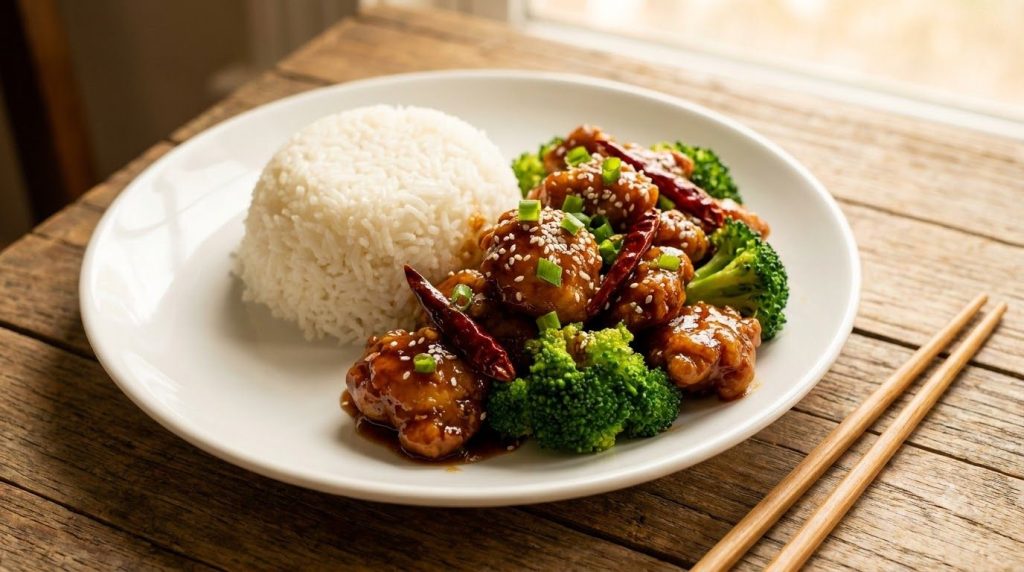
All-Purpose Homemade Stir-Fry Sauce
Short Description: A versatile, savory, and slightly sweet sauce that forms the perfect base for countless homemade Chinese takeout dishes. Easy to whisk together and customize!
Prep Time: 5 minutes
Cook Time: 2 minutes (optional, for pre-thickening)
Total Time: 7 minutes
Servings: Makes about 1 cup (enough for 4-6 servings of stir-fry)
Course: Sauce, Condiment
Cuisine: Chinese, Asian
Cooking Method: Whisking, (Optional) Simmering
Ingredients:
- ½ cup (120 ml) low-sodium soy sauce
- ¼ cup (60 ml) chicken or vegetable broth
- 2 tbsp (30 ml) rice vinegar
- 2 tbsp (30 ml) packed light brown sugar (or honey/maple syrup)
- 1 tbsp (15 ml) sesame oil
- 1 tbsp (15 ml) cornstarch (or arrowroot powder)
- 1 tsp (5 ml) grated fresh ginger
- 2 cloves garlic, minced
- 2 tbsp (30 ml) cold water (for cornstarch slurry)
Instructions:
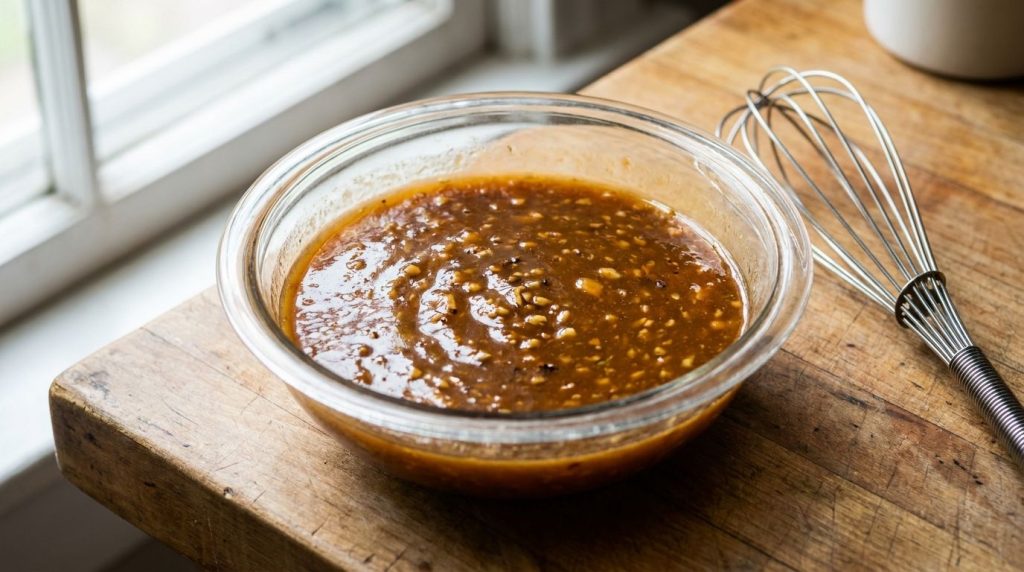
- In a medium bowl, combine the low-sodium soy sauce, chicken or vegetable broth, rice vinegar, brown sugar, sesame oil, grated fresh ginger, and minced garlic. Whisk well until the sugar is dissolved.
- In a separate small bowl, whisk together the cornstarch and 2 tablespoons of cold water until a smooth slurry forms. This prevents lumps.
- Add the cornstarch slurry to the sauce mixture in the medium bowl and whisk vigorously until fully incorporated and the sauce looks uniform.
- (Optional step for a thicker sauce base): For a slightly thicker base, transfer the sauce mixture to a small saucepan. Heat over medium heat, stirring constantly, until it just begins to thicken, about 1-2 minutes. Do not boil vigorously. Remove from heat and let it cool slightly before using or storing. This step isn’t strictly necessary if you’ll be adding the sauce directly to a hot stir-fry later.
- Use this sauce as a marinade for your proteins, or add it to your stir-fry during the final stages of cooking to coat and thicken the dish.
Notes:
Feel free to adjust the sweetness, saltiness, or spice level to your preference. Add a dash of sriracha or chili garlic sauce for heat. This sauce is incredibly versatile and can be used for chicken, beef, shrimp, or tofu stir-fries.
Storage:
Store any unused sauce in an airtight container in the refrigerator for up to 1 week. It can also be frozen for up to 3 months.
Nutrition:
Nutrition information is an estimate and may vary depending on the ingredients and brands used.