Are you tired of bland, store-bought salad dressings that often contain unnecessary sugars and preservatives? It’s time to say goodbye to those bottles and hello to a world of fresh, vibrant flavors! Making your own homemade vinaigrettes is incredibly simple, economical, and a fantastic way to elevate any salad from ordinary to extraordinary.
This guide will show you how to master the art of vinaigrette making, offering the inspiration for 12 easy variations that will transform your meals. From classic tangy blends to creamy avocado creations and exotic Asian twists, you’ll discover how easy it is to infuse your salads with delicious, wholesome goodness.

Why You’ll Love Making Homemade Vinaigrettes
Switching to homemade dressings offers numerous benefits:
- Fresher Taste: Ingredients like fresh herbs, citrus, and quality oils make a noticeable difference in flavor.
- Healthier Alternative: You control exactly what goes in, avoiding unwanted sugars, artificial flavors, and preservatives often found in commercial dressings.
- Fully Customizable: Easily adjust sweetness, acidity, and seasoning to suit your personal preference or the specific salad you’re making.
- Cost-Effective: Pantry staples often form the base, making homemade vinaigrettes much cheaper in the long run than repeatedly buying bottles.
- Quick & Easy: Most vinaigrettes come together in less than 5 minutes with minimal effort.
- Versatile: Beyond salads, homemade vinaigrettes make excellent marinades for proteins, drizzles for roasted vegetables, or dips for bread.
Ingredients for Your Homemade Vinaigrettes
A basic vinaigrette follows a simple ratio, typically 3 parts oil to 1 part acid, but this is highly customizable. Here are the core components and common additions:
Basic Vinaigrette Formula (Yields approx. 1/2 cup / 120 ml)
- 6 tbsp (90 ml) olive oil (extra virgin is ideal for flavor)
- 2 tbsp (30 ml) vinegar (such as red wine vinegar, white wine vinegar, or apple cider vinegar)
- 1 tsp (5 ml) Dijon mustard (acts as an emulsifier and adds flavor)
- 1/2 tsp (2.5 g) salt, or to taste
- 1/4 tsp (0.5 g) black pepper, freshly ground, or to taste
Common Additions & Flavor Boosters:
- Aromatics: 1 clove minced garlic, 1 tbsp (15 g) finely chopped shallots, 1 tbsp (15 g) finely chopped fresh herbs (parsley, chives, dill, oregano, basil).
- Sweeteners: 1-2 tsp (5-10 ml) honey, maple syrup, agave nectar, or a pinch of sugar.
- Citrus: Replace some or all of the vinegar with fresh lemon juice, lime juice, or orange juice.
- Spices: A pinch of red pepper flakes, dried oregano, cumin, or a dash of hot sauce.
- Other Acids: Balsamic vinegar, rice wine vinegar, sherry vinegar.
- Other Oils: Avocado oil, grapeseed oil, walnut oil, sesame oil (for Asian-inspired dressings).
Ingredient Notes
- Oil: Extra virgin olive oil is a classic choice for its rich flavor, but feel free to experiment with lighter oils like grapeseed or avocado oil for a more neutral base. Toasted sesame oil is fantastic for Asian vinaigrettes, but use it sparingly as its flavor is potent.
- Vinegar: The type of vinegar dramatically changes the character of your vinaigrette. Red wine vinegar is sharp and classic, white wine vinegar is milder, apple cider vinegar offers a fruity tang, and balsamic vinegar provides sweetness and depth. Rice wine vinegar is essential for Asian flavors.
- Dijon Mustard: This isn’t just for flavor; Dijon mustard contains compounds that help emulsify the oil and vinegar, preventing them from separating too quickly. If you don’t have Dijon, a small amount of honey or even an egg yolk can also help with emulsification, but Dijon adds a lovely tangy kick.
- Salt & Pepper: Essential for balancing flavors. Always taste and adjust!
Equipment You’ll Need
- A medium-sized mixing bowl or a jar with a tight-fitting lid
- A whisk or fork
- Measuring spoons and cups
How to Make Homemade Vinaigrettes
Creating your own vinaigrette is incredibly straightforward. Here’s the basic process:
-
Combine the Base Ingredients:
In your mixing bowl or jar, combine the Dijon mustard, chosen vinegar or citrus juice, salt, pepper, and any aromatics like minced garlic or shallots. Whisk these ingredients together until well combined. This initial mix helps dissolve the salt and distribute the flavors evenly before adding the oil.
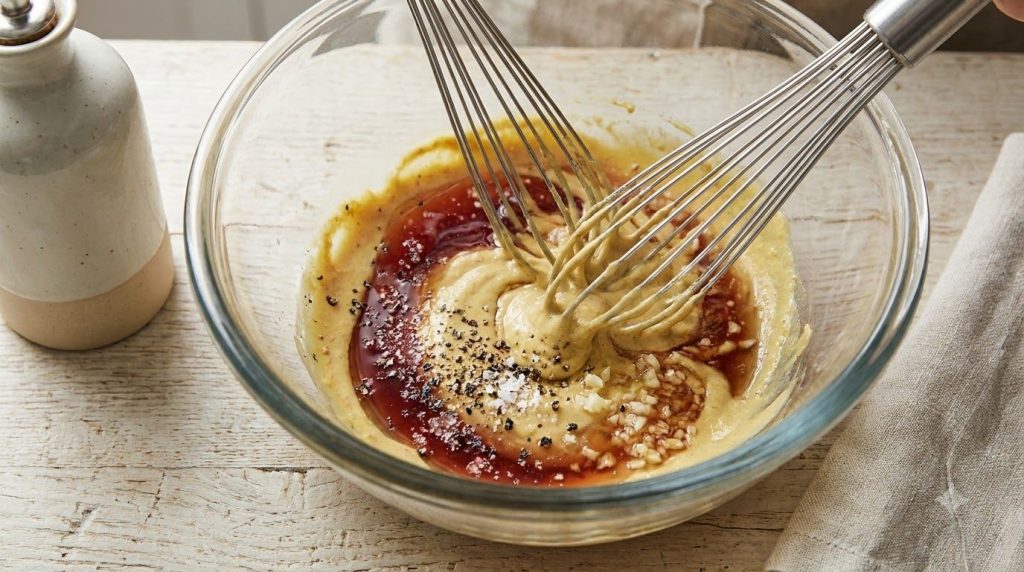
Start by combining your acid, emulsifier, and seasonings. -
Slowly Emulsify with Oil:
While continuously whisking vigorously (or shaking if using a jar), slowly drizzle in the olive oil in a steady, thin stream. The mixture will gradually thicken and become opaque as the oil and vinegar emulsify.
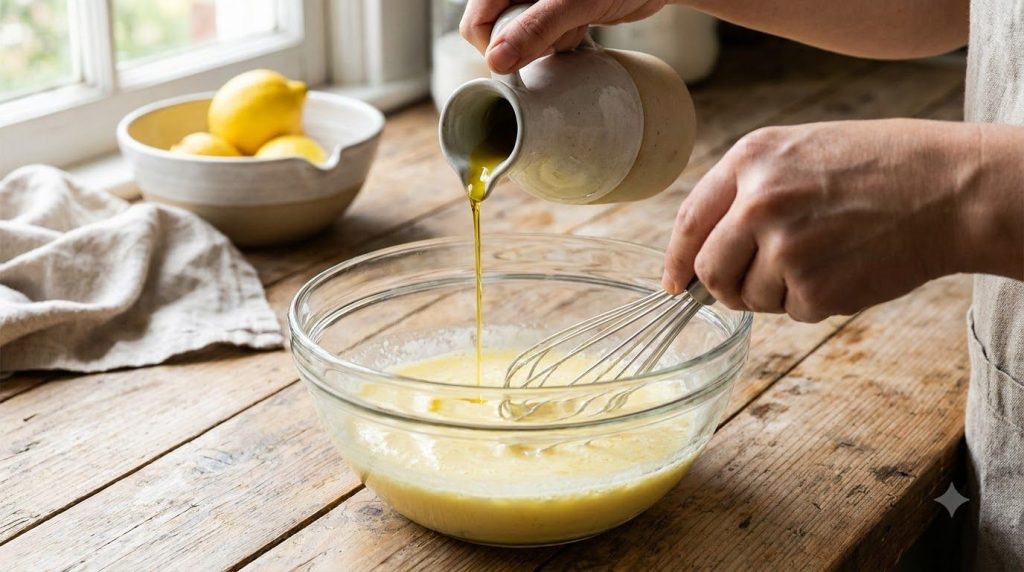
Slowly add the oil to create a smooth, emulsified dressing. -
Taste and Adjust:
Once all the oil is incorporated, taste the vinaigrette. This is the most crucial step! Adjust the seasoning by adding more salt, pepper, a touch more vinegar for tang, or a sweetener like honey or maple syrup to balance the flavors. If it’s too thick, add a tiny bit of water.
-
Serve or Store:
Your homemade vinaigrette is ready to use! If you’re not using it immediately, transfer it to an airtight container or keep it in the jar you mixed it in.
Pro Tips for the Best Results
- Use Quality Ingredients: High-quality olive oil and fresh vinegars will significantly impact the final flavor.
- Emulsify Properly: Drizzling the oil slowly while whisking vigorously is key to a stable emulsion. If it separates, a quick re-whisk or shake will bring it back together.
- Taste, Taste, Taste: Vinaigrettes are all about balance. Always taste and adjust the ratio of oil, acid, salt, and any sweeteners or herbs until it’s perfect for your palate.
- Let Flavors Meld: If time allows, make your vinaigrette 15-30 minutes ahead of serving. This gives the flavors a chance to meld and deepen, especially with fresh garlic or herbs.
- Shake Before Each Use: Even well-emulsified vinaigrettes can separate over time. A quick shake or whisk before serving will ensure a consistent dressing.
- Fresh is Best: Whenever possible, use fresh garlic, shallots, and herbs for the brightest flavor.
- Experiment with Ratios: While 3:1 oil to acid is standard, some prefer a sharper 2:1 ratio, while others like a milder 4:1. Find what you love!
Common Mistakes to Avoid
- Not Emulsifying Enough: If you add the oil too quickly or don’t whisk enough, your dressing will separate immediately. Don’t worry, just keep whisking!
- Too Much Acid: A vinaigrette that’s overly tart can overwhelm a salad. Balance with a touch of sweetener or more oil.
- Under-Seasoning: Salt and pepper are crucial for bringing out all the flavors. Don’t be afraid to add enough.
- Using Stale Herbs or Spices: This will result in a dull, flavorless dressing. Ensure your pantry staples are fresh.
- Incorrect Storage: Leaving vinaigrette at room temperature for too long, especially with fresh garlic, can be a food safety concern. Always refrigerate.
Variations & Substitutions
Here are just a few ideas to get you started on your journey to 12 (or more!) unique homemade vinaigrettes:
- Classic Red Wine Vinaigrette: Use red wine vinegar, extra virgin olive oil, Dijon, salt, pepper, and finely minced shallots.
- Honey-Mustard Vinaigrette: Combine apple cider vinegar, Dijon mustard, honey, and olive oil. A touch of garlic powder works well here.
- Asian Sesame Vinaigrette: Whisk together rice wine vinegar, soy sauce, a dash of toasted sesame oil, minced fresh ginger, a touch of honey or maple syrup, and a neutral oil like grapeseed.
- Creamy Avocado Vinaigrette: Blend ripe avocado, lime juice, cilantro, a hint of garlic, olive oil, and a splash of water until smooth and creamy.
- Balsamic Vinaigrette: Use good quality balsamic vinegar, extra virgin olive oil, a spoonful of Dijon, salt, and pepper. A tiny pinch of sugar can enhance the balsamic’s sweetness.
- Lemon-Herb Vinaigrette: Fresh lemon juice and zest, extra virgin olive oil, finely chopped fresh parsley, chives, and a hint of dried oregano.
- Maple-Dijon Vinaigrette: Maple syrup, Dijon mustard, apple cider vinegar, and a neutral oil. Great for fall salads!
- Sherry Vinaigrette: Sherry vinegar, olive oil, Dijon, salt, and pepper. Its nutty, complex flavor pairs wonderfully with roasted vegetables.
- White Balsamic & Garlic Vinaigrette: White balsamic vinegar (lighter in color), olive oil, minced garlic, and a pinch of dried Italian herbs.
- Spicy Chili-Lime Vinaigrette: Lime juice, olive oil, a pinch of red pepper flakes, minced garlic, and a dash of hot sauce.
- Orange-Poppy Seed Vinaigrette: Fresh orange juice, apple cider vinegar, olive oil, poppy seeds, and a touch of honey or maple syrup.
- Creamy Tahini Vinaigrette: Tahini, lemon juice, water (to thin), olive oil, minced garlic, and a pinch of salt.
Serving Suggestions
Homemade vinaigrettes are incredibly versatile. Drizzle them over:
- Green Salads: From simple mixed greens to elaborate Cobb or Caesar-style salads.
- Grain Bowls: Quinoa, farro, or rice bowls topped with roasted vegetables and protein.
- Roasted Vegetables: A fantastic finishing touch for broccoli, asparagus, potatoes, or carrots.
- Grilled Meats or Fish: Especially lemon-herb or balsamic vinaigrettes.
- Pasta Salads: A vibrant alternative to creamy dressings.
- Marinades: Most vinaigrettes make excellent quick marinades for chicken, fish, or tofu.
Storage & Reheating
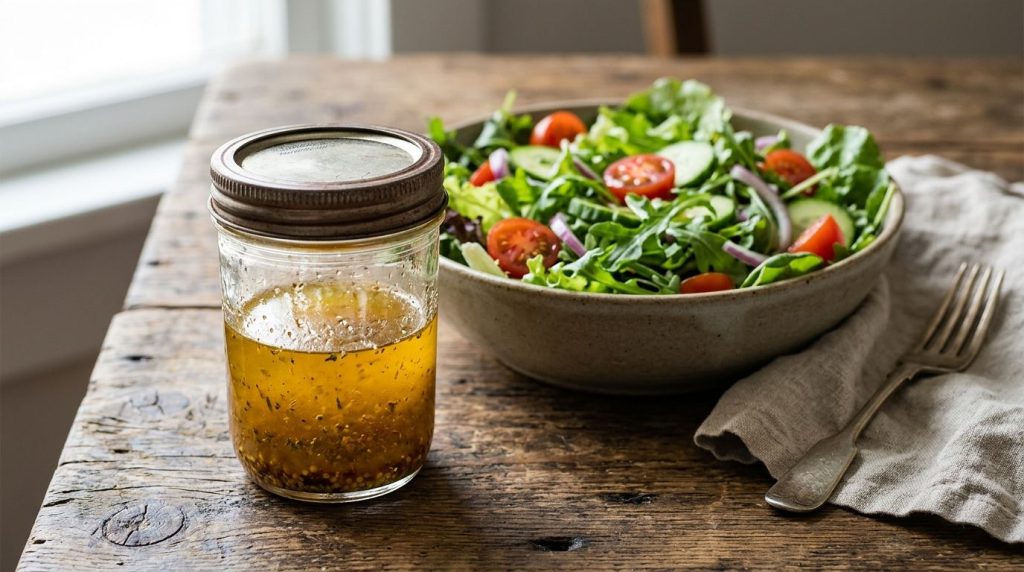
Store homemade vinaigrettes in an airtight container or a jar with a tight-fitting lid in the refrigerator for up to 1 week. If your vinaigrette contains fresh garlic, it’s generally best to consume it within 3-4 days for food safety reasons. Vinaigrettes will often separate and solidify slightly when chilled. Simply let it sit at room temperature for 10-15 minutes or run it under warm water, then give it a good shake or whisk before serving to re-emulsify.
FAQ
How long do homemade vinaigrettes last?
Generally, homemade vinaigrettes made with oil, vinegar, and seasonings can last up to 1 week in the refrigerator. If they contain fresh ingredients like garlic, shallots, or fresh herbs, it’s best to consume them within 3-4 days for optimal freshness and safety.
What’s the best oil for vinaigrette?
Extra virgin olive oil is a popular choice for its robust flavor. However, neutral oils like grapeseed, avocado, or sunflower oil are excellent if you want the other ingredients to shine. For specific flavor profiles, try toasted sesame oil for Asian dressings or walnut oil for a nutty taste.
How do I make my vinaigrette creamy without dairy?
You can achieve creaminess by blending in ingredients like ripe avocado, tahini, cashew butter, or even a small amount of silken tofu. Using a stick blender or a small food processor can help create a super smooth consistency.
Why is my vinaigrette separating?
Separation is natural for vinaigrettes, as oil and vinegar don’t naturally mix. Dijon mustard acts as an emulsifier to slow this process. If your vinaigrette separates, simply give it a vigorous shake or whisk before serving.
Can I use different vinegars?
Absolutely! The type of vinegar is one of the easiest ways to change the flavor profile of your vinaigrette. Experiment with red wine, white wine, apple cider, balsamic, sherry, or rice wine vinegars.
Can I make this ahead of time?
Yes, homemade vinaigrettes are perfect for meal prep. Make a batch at the beginning of the week and store it in the refrigerator for quick, easy salads throughout the week.
Recipe Card: Basic Homemade Vinaigrette
Recipe Name: Basic Homemade Vinaigrette
Short Description: A versatile and easy-to-make base for delicious, fresh salad dressings, perfect for customization.
Prep Time: 5 minutes
Cook Time: 0 minutes
Total Time: 5 minutes
Servings: 4-6 (approx. 1/2 cup / 120 ml)
Course: Condiment, Dressing
Cuisine: American, Global
Cooking Method: Whisking, Mixing
Ingredients:
- 6 tbsp (90 ml) extra virgin olive oil
- 2 tbsp (30 ml) red wine vinegar (or your preferred vinegar)
- 1 tsp (5 ml) Dijon mustard
- 1/2 tsp (2.5 g) salt, or to taste
- 1/4 tsp (0.5 g) freshly ground black pepper, or to taste
- Optional: 1 small clove garlic, minced
Instructions:
- In a small bowl or jar, combine the vinegar, Dijon mustard, salt, pepper, and minced garlic (if using). Whisk or shake until the salt is dissolved and ingredients are well combined.
- While continuously whisking vigorously (or shaking if using a jar), slowly drizzle in the olive oil in a thin, steady stream. Continue to whisk/shake until the mixture is emulsified and slightly thickened.
- Taste the vinaigrette and adjust seasoning as needed. Add more salt, pepper, or a touch of sweetener if desired.
- Serve immediately or transfer to an airtight container for storage.
Notes:
This basic recipe is just a starting point! Feel free to experiment with different oils, vinegars, fresh herbs, citrus juices, or sweeteners to create endless variations. Always shake or whisk well before each use, as vinaigrettes tend to separate.
Storage:
Store in an airtight container in the refrigerator for up to 1 week. If containing fresh garlic or herbs, consume within 3-4 days. Allow to come to room temperature and re-whisk/shake before serving.
Nutrition:
Nutrition information is an estimate and may vary depending on the ingredients and brands used.