Guava Fruit and Leaves: A Traditional Pairing Worth a Closer Look
For centuries, the humble guava, both its luscious fruit and potent leaves, has been a cornerstone in traditional medicine across various cultures. Often overlooked in favor of more exotic superfoods, this tropical gem holds a treasure trove of health benefits waiting to be rediscovered. From boosting immunity to supporting heart health, guava offers a holistic approach to well-being.
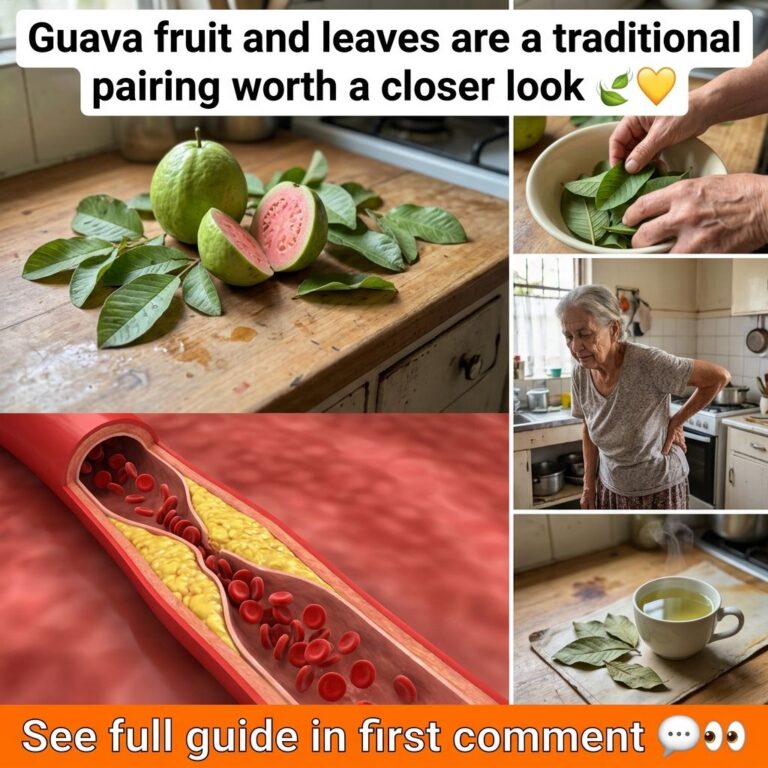
As depicted in the accompanying visuals, the vibrant green fruit with its pink interior, the meticulous preparation of its leaves, and the comforting steam of guava leaf tea all point to a rich tradition of utilizing this plant for its health-promoting properties. Let’s delve deeper into what makes guava a traditional pairing worth a closer look for modern health enthusiasts.
The Nutritional Powerhouse: Guava Fruit
The fruit of the guava tree (Psidium guajava) is more than just a sweet, aromatic delight. It’s a nutritional powerhouse, packed with essential vitamins, minerals, and antioxidants that contribute significantly to overall health.
A Rich Source of Vitamins and Antioxidants
- Vitamin C Champion: Guava boasts an impressive amount of Vitamin C, often surpassing citrus fruits. This powerful antioxidant is crucial for immune function, skin health, and collagen production.
- Vitamin A for Vision: It contains a good dose of Vitamin A, vital for maintaining healthy vision and mucous membranes.
- Dietary Fiber: Guava is rich in dietary fiber, which aids digestion and promotes satiety.
- Lycopene and Quercetin: These potent antioxidants found in guava combat free radicals, potentially reducing the risk of chronic diseases.
Supporting Digestive Health
The high fiber content in guava fruit is excellent for digestive health. It adds bulk to stool, preventing constipation, and promotes a healthy gut microbiome. Eating guava regularly can help maintain regularity and keep your digestive system running smoothly.
Potential for Blood Sugar Regulation
Studies suggest that the fiber and compounds in guava may help in managing blood sugar levels. Its relatively low glycemic index makes it a suitable fruit choice for those mindful of their sugar intake.
Boost Your Immunity
With its high Vitamin C content, guava is a natural immune booster. Regular consumption can help fortify your body’s defenses against common infections and illnesses.
The Healing Secret: Guava Leaves
While the fruit is delicious, the leaves of the guava tree are where many traditional healing properties reside. Often brewed into a tea, guava leaves are rich in bioactive compounds with significant medicinal potential.
What Makes Guava Leaves Special?
Guava leaves are loaded with beneficial compounds like flavonoids, tannins, polyphenols, and carotenoids. These compounds are responsible for their anti-inflammatory, antioxidant, antimicrobial, and anti-diabetic effects, making guava leaves a fascinating subject for both traditional and modern medical research.
Traditional Uses and Modern Insights
Let’s explore some of the key health benefits associated with guava leaves:
Regulating Blood Sugar
One of the most well-researched benefits of guava leaf tea is its potential to help manage blood sugar levels. Compounds in guava leaves, such as quercetin, are believed to inhibit the alpha-glucosidase enzyme, which is involved in breaking down carbohydrates into glucose. This action can slow down sugar absorption into the bloodstream, making it a promising natural aid for individuals looking to control blood sugar.
Supporting Cardiovascular Health
As hinted by the visual of a clogged artery, guava leaves may play a role in promoting heart health. The antioxidants present in the leaves can help reduce oxidative stress, which is a key factor in the development of cardiovascular diseases. Furthermore, some studies suggest that guava leaf extract may help lower LDL (bad) cholesterol and triglyceride levels, while increasing HDL (good) cholesterol, thereby supporting overall heart function and arterial health.
Aiding Digestion and Diarrhea
Guava leaf tea is a well-known traditional remedy for diarrhea and stomach upset. Its antimicrobial properties can help combat harmful bacteria in the gut, while its astringent qualities can help tighten the intestinal lining, reducing the frequency and severity of loose stools. It’s also gentle on the stomach and can help soothe digestive discomfort.
Anti-Inflammatory and Pain Relief
The anti-inflammatory properties of guava leaves can be beneficial for various conditions, including general body aches and menstrual cramps. The image of the woman clutching her lower back subtly suggests the potential for pain relief. Traditionally, poultices made from guava leaves have also been used topically to reduce inflammation and pain from minor injuries.
Skincare and Hair Health
Thanks to their antibacterial and antioxidant properties, guava leaves are also gaining traction in natural beauty routines. They can be used in facial rinses or masks to help combat acne, reduce blemishes, and soothe skin irritations. For hair, a guava leaf rinse can strengthen follicles, promote hair growth, and address scalp issues due to its antimicrobial action.
How to Incorporate Guava into Your Wellness Routine
Integrating guava, both fruit and leaves, into your daily life is simple and rewarding.
Enjoying Guava Fruit
- Fresh: Eat it raw, peeled or unpeeled (if organic), for a burst of tropical flavor.
- Smoothies: Add chunks of guava to your favorite smoothie recipes for extra nutrients.
- Salads: Cube guava and add it to fruit salads or even savory green salads for a sweet and tangy twist.
- Juices/Jams: Enjoy guava juice or homemade guava jam for a delicious treat.
Making Guava Leaf Tea
Guava leaf tea is one of the most popular ways to harness the benefits of its leaves. It’s easy to prepare at home.
- Ingredients:
- 10-15 fresh guava leaves (or 1-2 tablespoons dried leaves)
- 4 cups of water
- Optional: honey or lemon for taste
- Instructions:
- Thoroughly wash the fresh guava leaves. If using dried, ensure they are clean.
- Bring the water to a boil in a saucepan.
- Add the guava leaves to the boiling water.
- Reduce the heat and let the leaves simmer for 10-15 minutes, or until the water turns a reddish-brown color.
- Remove from heat and strain the tea into a cup, discarding the leaves.
- Serve warm. You can add honey or a squeeze of lemon if desired.
- Dosage/Frequency: Start with 1-2 cups per day and observe how your body responds. It’s always best to consult with a healthcare professional, especially if you have underlying health conditions.
Topical Applications (DIY)
- Face Mask/Toner: Crush fresh guava leaves into a paste with a little water, or use cooled guava leaf tea as a toner for acne-prone skin.
- Hair Rinse: After shampooing, rinse your hair with cooled guava leaf tea to strengthen hair follicles and soothe the scalp.
Safety Tips and Considerations
While guava fruit and leaves are generally safe for most people, it’s essential to exercise caution and mindfulness, especially when using herbal remedies.
- Moderation: As with any natural remedy, consume in moderation.
- Pregnancy and Breastfeeding: If you are pregnant or breastfeeding, consult your doctor before using guava leaf tea or extracts, as research on its effects in these groups is limited.
- Medication Interactions: Guava leaves may interact with certain medications, particularly those for diabetes or blood thinning. Always consult your healthcare provider before incorporating new herbal remedies, especially if you are on medication.
- Allergies: If you experience any allergic reactions (e.g., rash, swelling), discontinue use immediately.
- Source Quality: Ensure you are using clean, organic guava leaves free from pesticides or contaminants.
Conclusion
Guava fruit and its leaves offer a compelling package of health benefits, rooted in tradition and supported by emerging scientific research. From their rich nutritional profile to their potent medicinal properties, they truly are a traditional pairing worth a closer look for anyone interested in natural health solutions.
By understanding and responsibly incorporating guava into your lifestyle, you can tap into centuries of wisdom and enhance your journey towards holistic well-being. Always remember to prioritize safety and consult with health professionals when making significant changes to your health regimen.