When you’re striving for a healthier lifestyle, every ingredient counts, right down to the salt you sprinkle on your meals. Walk down any grocery aisle today, and you’re met with an array of choices beyond the classic table salt. Two popular contenders often catch the eye of health-conscious cooks: Himalayan Pink Salt and Sea Salt. But what truly sets them apart, and which one is the best fit for your kitchen? Let’s demystify these natural seasonings and help you make an empowered choice.
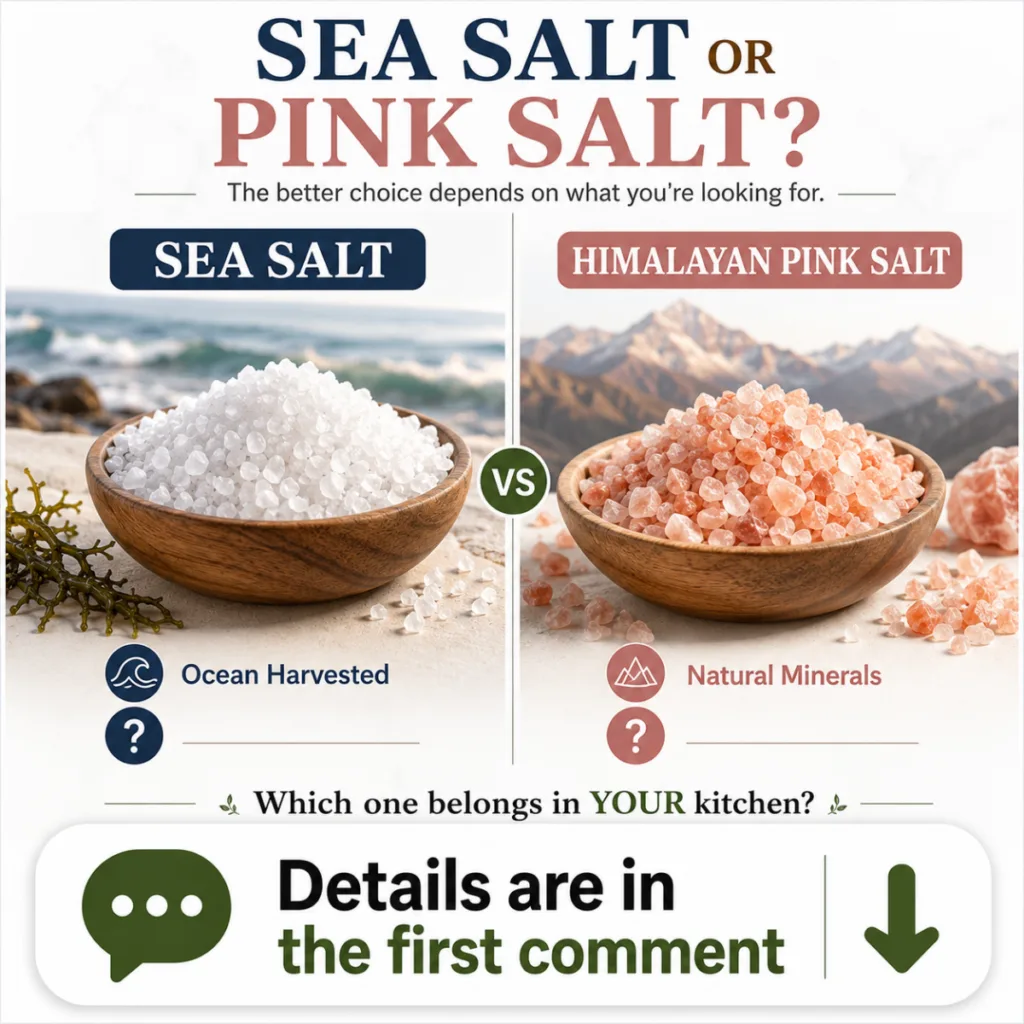 Unpacking the differences between these two popular salts.
Understanding Himalayan Pink Salt
Himalayan Pink Salt is celebrated not only for its beautiful rosy hue but also for its unique composition. Mined from the Khewra Salt Mine in the Himalayan mountains of Pakistan, it’s believed to be millions of years old, formed from ancient evaporated sea beds.
Key Characteristics:
- Mineral Richness: It contains trace minerals like iron, magnesium, potassium, and calcium, which are responsible for its distinctive pink color. These minerals are present in very small amounts, but they contribute to its unique flavor profile.
- Subtle Flavor: Many describe its taste as less intense and slightly sweeter than regular table salt, allowing it to enhance food flavors without overpowering them.
- Texture: Available in various grain sizes, from fine to coarse, making it versatile for both cooking and finishing dishes.
Best Uses in Your Kitchen:
- Seasoning: Excellent for everyday cooking, from roasting vegetables to seasoning meats.
- Finishing Salt: Its beautiful color and delicate crunch make it a fantastic finishing salt for salads, avocado toast, or gourmet desserts.
- Brining: Can be used in brining solutions for poultry or pork.
Delving into Sea Salt
Sea salt, as its name suggests, is produced by evaporating seawater. This age-old process leaves behind not only sodium chloride but also a diverse array of trace minerals naturally present in the ocean.
Key Characteristics:
- Varied Origins: Sea salt can come from oceans worldwide, leading to variations in its mineral content and flavor based on its geographical source.
- Mineral Content: While primarily sodium chloride, sea salt retains trace minerals like magnesium, potassium, and calcium. The specific balance of these can vary. Some sea salts are naturally rich in iodine, while others may be fortified.
- Texture & Flavor: Sea salt comes in many forms, from delicate flakes to crunchy crystals. Its flavor can range from briny to subtly sweet, depending on the mineral profile and crystal size.
Best Uses in Your Kitchen:
- Everyday Cooking: A staple for seasoning during cooking, adding depth to soups, stews, and sauces.
- Baking: Fine-grain sea salt blends well into doughs and batters.
- Finishing Touches: Flaky sea salt is prized by chefs for garnishing dishes, adding a textural contrast and burst of flavor.
The Nutritional Nitty-Gritty: Similarities and Differences
Both Himalayan Pink Salt and sea salt are primarily composed of sodium chloride, which is the component responsible for their salty taste and their role in fluid balance and nerve function. The key differences lie in their trace mineral profiles and how those influence taste and texture.
- Mineral Abundance: While both contain trace minerals, the actual amounts are very small and unlikely to significantly impact your daily mineral intake. You’d need to consume excessive amounts of salt to get meaningful mineral benefits, which isn’t recommended for overall health.
- Iodine: Traditionally, table salt is iodized to prevent iodine deficiency. While some sea salts might contain trace amounts of natural iodine, it’s generally not a reliable source. If you rely on salt for iodine, ensure you choose an iodized variety or get iodine from other dietary sources like seafood, dairy, and eggs.
- Microplastics: A concern sometimes raised with sea salt is the potential for microplastic contamination due to ocean pollution. Research on the health impact of this is ongoing, and the amounts found are generally considered very low.
Which One Belongs in YOUR Kitchen? Making the Empowered Choice
Ultimately, the choice between Himalayan Pink Salt and sea salt often comes down to personal preference, taste, and how you plan to use it. Both are excellent, natural alternatives to highly processed table salt, offering a more nuanced flavor profile.
Consider These Points:
- Taste & Texture Preference: Do you prefer the milder, slightly sweet notes of pink salt, or the varied brininess of sea salt? Do you enjoy a delicate flaky texture for finishing, or a more robust crystal for grinding?
- Cooking Application: Both are versatile. For everyday seasoning, either works beautifully. For a visually appealing finish or a specific textural crunch, experiment with different varieties of each.
- Budget: Pricing can vary. Consider what fits your budget for a daily staple.
- Mineral Benefits: Remember, while these salts contain trace minerals, they are not a primary source of essential nutrients. Focus on a balanced diet rich in whole foods for your mineral intake.
Instead of viewing this as a strict ‘either/or’ situation, consider having both in your pantry! Use Himalayan pink salt for its aesthetic appeal and subtle flavor, and a good quality sea salt for general cooking and when you want a more pronounced briny note.
The Takeaway for a Healthier You
Choosing a more natural salt, like Himalayan pink salt or sea salt, is a positive step towards more mindful cooking. The most important aspect of salt consumption is moderation, regardless of the type. Focus on enhancing the natural flavors of your healthy, whole food ingredients with just the right amount of seasoning. Experiment, taste, and discover which salt truly elevates your culinary creations and fits seamlessly into your healthy lifestyle!