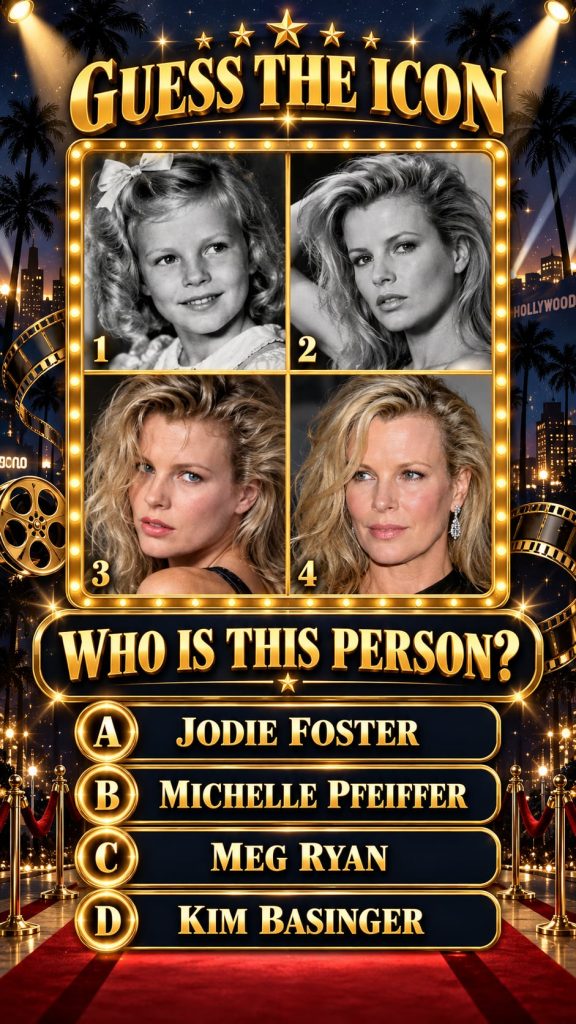
Hollywood’s golden age produced a constellation of stars whose brilliance continues to captivate audiences generations later. But how well do you truly know these legends? The challenge often lies in recognizing them across different eras of their careers, as youthful exuberance gives way to seasoned grace. Today, we delve into the life of one such icon, whose journey from humble beginnings to global stardom left an indelible mark on cinema, fashion, and philanthropy.
The Unmistakable Elegance: A True Hollywood Original
Our featured legend is none other than Audrey Hepburn, an actress whose name became synonymous with elegance, grace, and an understated charm. Born in Belgium in 1929, her early life was marked by the tumultuous years of World War II, experiencing hardship in Nazi-occupied Netherlands. These formative experiences undoubtedly shaped the resilient and compassionate woman she would become. Far from the glitz and glamour that would define her career, Hepburn initially pursued a dream of becoming a ballerina, training intensely in Amsterdam and London.
From Ballet Dreams to Broadway Stages
Audrey’s path to stardom was not linear. While her ballet dreams were hampered by her height and the physical toll of wartime malnutrition, her striking presence and unique charm soon caught the eye of filmmakers and stage producers. Her first significant break came on the Broadway stage in 1951, starring in the play Gigi. Her performance garnered rave reviews and, more importantly, attracted the attention of Hollywood.
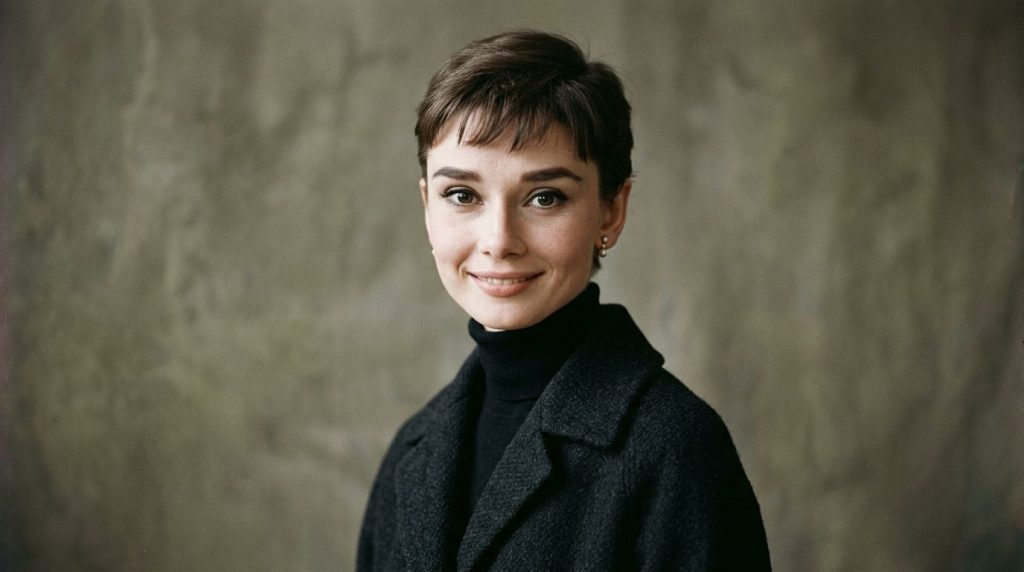
Hollywood’s Darling: Iconic Roles and Enduring Style
Hepburn’s cinematic debut in Roman Holiday (1953) opposite Gregory Peck was an instant sensation, earning her an Academy Award for Best Actress. This role cemented her status as a leading lady and introduced her unique fashion sense to the world. Her collaborations with designer Hubert de Givenchy created an iconic look that continues to influence fashion decades later. Films like Sabrina (1954), Funny Face (1957), Breakfast at Tiffany’s (1961), and My Fair Lady (1964) are not just cinematic classics but also showcases of her inimitable style and effortless sophistication.
Beyond her fashion-forward roles, Hepburn displayed remarkable versatility, tackling dramatic parts with depth and sensitivity. Her performances were often characterized by a blend of vulnerability and inner strength, making her characters relatable and memorable.
A Legacy Beyond the Screen: Humanitarian Efforts
As her acting career wound down, Audrey Hepburn dedicated the last years of her life to humanitarian work, serving as a UNICEF Goodwill Ambassador. Drawing on her own wartime experiences, she became a passionate advocate for children in need, traveling to some of the poorest regions of the world to raise awareness and funds. This chapter of her life revealed a deep well of empathy and commitment, earning her widespread admiration and a Presidential Medal of Freedom.

Why Her Legacy Endures
Audrey Hepburn passed away in 1993, but her legacy continues to thrive. She remains a cultural icon, celebrated for her contributions to film, her timeless style, and her unwavering dedication to humanitarian causes. Her story is a powerful reminder that true elegance extends far beyond the silver screen, embodying grace, resilience, and a profound commitment to making the world a better place. It’s no wonder she’s one of those Hollywood legends who, despite the passing of time, remains instantly recognizable and deeply cherished by millions around the globe.