Are you tired of scrubbing stubborn, baked-on grease and grime from your oven or racks for what feels like hours? Oven cleaning can be one of the most dreaded household chores, often requiring harsh chemicals and endless elbow grease. But what if there was a simpler way?
This DIY cleaning paste uses common pantry items to effectively loosen even the toughest caked-on residue, making cleanup significantly easier. It’s an affordable, less-toxic alternative to commercial oven cleaners and helps you achieve a sparkling oven with less effort.
What You’ll Need
- 1/2 cup baking soda
- 3 tablespoons water (adjust as needed)
- Large mixing bowl
- Spoon or spatula for mixing
- Non-abrasive sponge or scrub brush
- Rubber gloves (recommended)
- Empty spray bottle (optional, for vinegar rinse)
- White vinegar (optional, for fizzing action)
- Clean cloths or paper towels
Why This DIY Can Be Useful
The star of this DIY oven cleaner is baking soda. Baking soda is a mild abrasive that helps scour away stuck-on food and grease without scratching surfaces. More importantly, it’s an alkali, which means it helps break down the acidic compounds found in baked-on grease and food spills. When mixed with water, it forms a powerful paste that clings to surfaces, allowing it to work its magic over time. If you choose to add white vinegar in a later step, its acidity reacts with the baking soda, creating a fizzing action that further helps to lift and loosen stubborn grime.
How to Make It
- In your mixing bowl, combine 1/2 cup of baking soda with 3 tablespoons of water.
- Stir well with a spoon or spatula until a thick, spreadable paste forms. If the paste is too dry, add a tiny bit more water, a teaspoon at a time, until you reach the desired consistency. It should be thick enough to cling to vertical surfaces without dripping.
- If you plan to use white vinegar, pour it into an empty spray bottle and set it aside.
How to Use It
Before you begin, ensure your oven is completely cool and empty. Remove oven racks, thermometers, or any other items inside.
- Remove Loose Debris: Use a cloth or paper towel to wipe out any large crumbs or loose food particles from the oven interior.
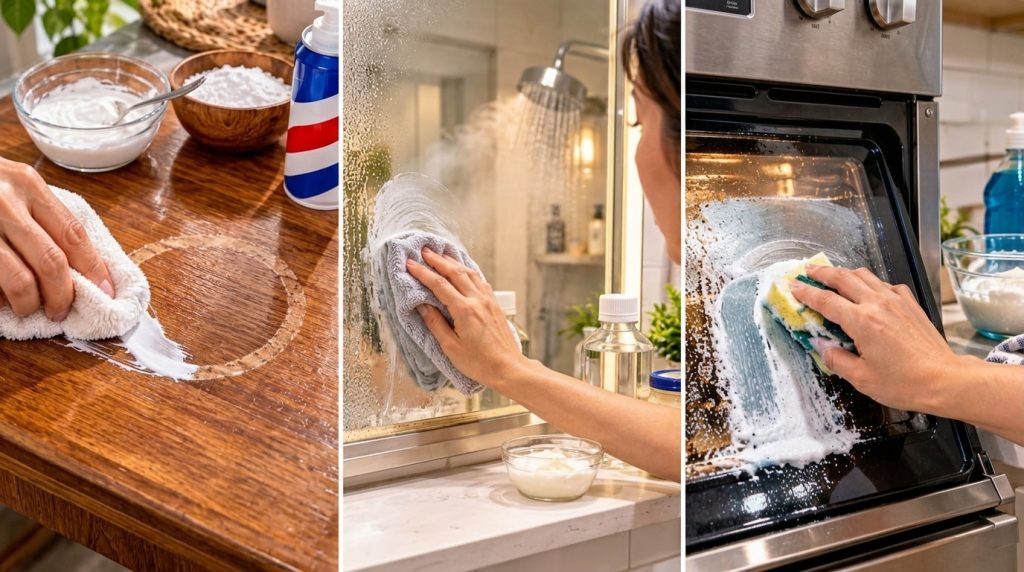
- Apply the Paste: Wearing rubber gloves, generously spread the baking soda paste over the interior surfaces of your oven, including the bottom, sides, and top. Avoid applying the paste directly onto heating elements or the fan opening if your oven has one. For oven racks, you can either coat them individually or place them in a large tub or bathtub and apply the paste.
- Let It Sit: This is the most crucial step for the paste to work. Allow the paste to sit for at least 6-12 hours, or even overnight, especially for heavily soiled ovens. The longer it sits, the more it will work to break down the grime.
- Scrub (Optional Vinegar): After the waiting period, take your non-abrasive sponge or scrub brush and gently begin to scrub the areas where the paste was applied. If desired, you can lightly spray areas with white vinegar. This will cause a fizzing reaction with the baking soda, which can help loosen stubborn spots.
- Wipe Clean: Use a damp cloth or paper towels to wipe away the baking soda paste and the loosened grime. You may need to rinse your cloth frequently or use several clean cloths to remove all residue. Keep wiping until all the baking soda and dirt are gone.
- Rinse Racks: If you cleaned your oven racks separately, rinse them thoroughly with water and wipe them dry before returning them to the oven.
What to Expect
You can expect a significantly cleaner oven interior with most of the baked-on grease and food residue loosened and removed. While this method requires patience, it drastically reduces the amount of strenuous scrubbing needed. For extremely stubborn, decades-old stains, you might need a second application or some additional scrubbing, but the difference will be noticeable. Your oven will look and feel much fresher without the strong chemical odors.
Helpful Tips
- Tackling Racks: For very dirty oven racks, consider soaking them in hot water with some dish soap in a bathtub or large utility sink before applying the paste.
- Ventilation: Even though this DIY uses natural ingredients, ensure good ventilation by opening a window or turning on your kitchen fan, especially if you’re sensitive to odors from cleaning.
- Regular Maintenance: To avoid future deep cleans, wipe up spills as they happen (once the oven is cool) and do a quick paste application every few months.
- Patch Test: If unsure about your oven’s finish, test the baking soda paste on a small, inconspicuous area first, although baking soda is generally safe for most oven surfaces.
Important Notes / Safety
- Always ensure your oven is completely cool before starting this cleaning process.
- Avoid getting the baking soda paste on heating elements or the pilot light opening.
- While baking soda is non-toxic, wearing rubber gloves is recommended to protect your hands from drying and from contact with grime.
- Always ensure all baking soda residue is thoroughly wiped away from the oven interior before using the oven again. Any leftover residue can create smoke or odors when heated.