Tired of store-bought mayonnaise that lacks a nutritional punch? Imagine a creamy, rich spread that not only tastes incredible but also boosts your protein intake. This High-Protein Hard-Boiled Egg Mayonnaise recipe is a game-changer, transforming simple hard-boiled eggs into a velvety, flavorful condiment in just minutes!
This innovative take on mayonnaise utilizes cooked eggs, making it a fantastic option for those seeking a protein-packed alternative to traditional recipes. It’s incredibly easy to make, requires minimal ingredients, and delivers a delightfully smooth texture with a tangy, savory flavor profile. Perfect for spreading on sandwiches, whisking into dressings, or using as a dip, this homemade protein mayonnaise is a healthy habit you’ll want to adopt today!
Why You’ll Love This High-Protein Mayonnaise Recipe
- Protein-Packed: Boosts the protein content of your meals, keeping you feeling fuller longer.
- Incredibly Easy: Simply blend a few ingredients for a delicious result – no fancy techniques required.
- Quick to Make: From start to finish, this mayonnaise can be ready in under 5 minutes (if eggs are already boiled).
- Simple Ingredients: Uses common kitchen staples you likely already have on hand.
- Versatile Use: Perfect for sandwiches, salads, dips, and as a base for creamy dressings.
- Customizable: Easily adapt the flavors with various herbs and spices.
- No Raw Eggs: A great option for those who prefer to avoid raw egg yolks in their mayonnaise.
Ingredients for Hard-Boiled Egg Mayonnaise
Here’s what you’ll need to make this healthy and delicious mayonnaise:
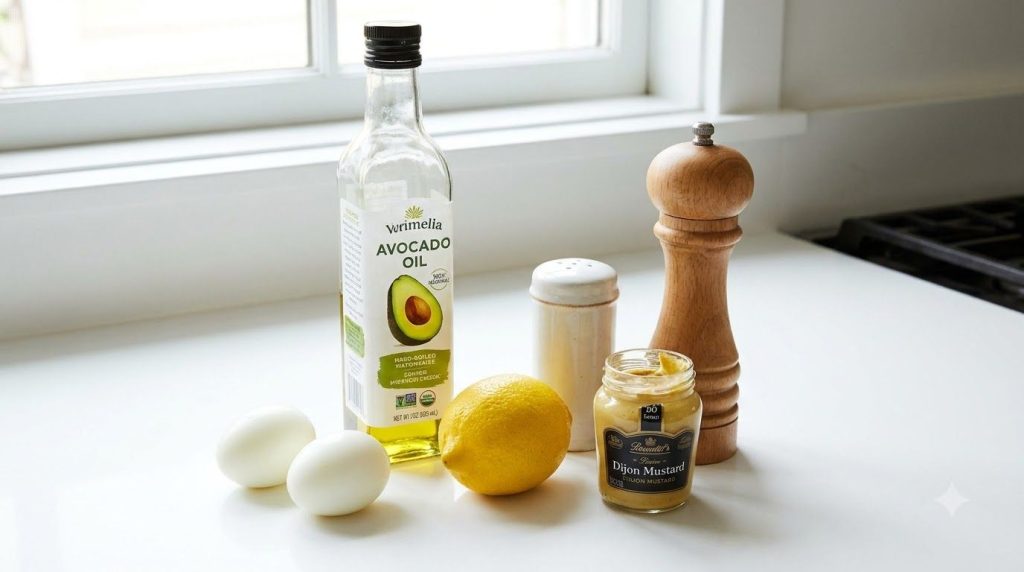
- 2 large hard-boiled eggs, peeled
- ½ cup (120 ml) neutral oil (such as avocado oil, light olive oil, or grapeseed oil)
- 1 tbsp (15 ml) fresh lemon juice or white vinegar
- 1 tsp Dijon mustard
- ½ tsp salt, or to taste
- ¼ tsp black pepper, or to taste
- 1-2 tbsp (15-30 ml) water or extra lemon juice, if needed for consistency
Ingredient Notes
- Hard-Boiled Eggs: Ensure your eggs are fully hard-boiled and peeled. Using cold eggs straight from the fridge works well. The eggs provide the body, richness, and, of course, the protein!
- Neutral Oil: A neutral-flavored oil is crucial so it doesn’t overpower the other flavors. Avocado oil is a fantastic choice for its healthy fats and mild taste. Light olive oil (not extra virgin), grapeseed oil, or sunflower oil are also good options.
- Lemon Juice/Vinegar: This adds essential tang and brightness, cutting through the richness of the eggs and oil. Fresh lemon juice is preferred for the best flavor, but white vinegar or apple cider vinegar work as well.
- Dijon Mustard: Beyond adding a subtle zip, Dijon mustard acts as an emulsifier, helping to create a smooth, stable mayonnaise by preventing the oil and eggs from separating.
- Salt and Pepper: These foundational seasonings enhance all the other flavors. Adjust to your personal preference.
- Water/Extra Lemon Juice: Use this sparingly to achieve your desired consistency. Add it one teaspoon at a time if the mayonnaise is too thick.
Equipment You’ll Need
- Food processor or high-speed blender
- Rubber spatula
- Measuring cups and spoons
How to Make High-Protein Hard-Boiled Egg Mayonnaise
Get ready for the easiest mayonnaise you’ve ever made!
-
Combine Base Ingredients:
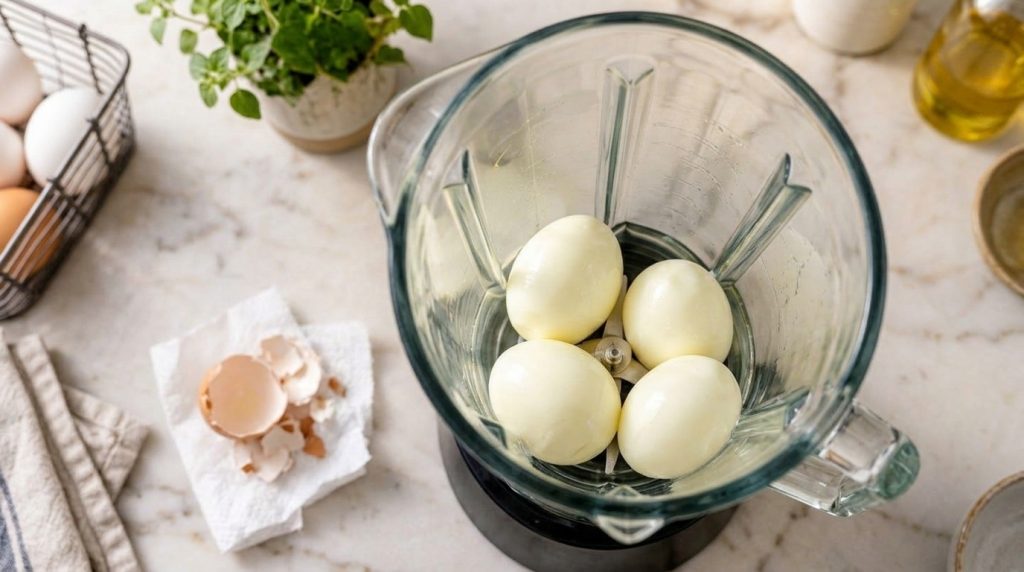
Place the peeled hard-boiled eggs, lemon juice (or vinegar), Dijon mustard, salt, and pepper into the bowl of your food processor or blender. Process until the mixture is relatively smooth and creamy, scraping down the sides as needed. It won’t be perfectly smooth yet, but the eggs should be broken down.
-
Slowly Add Oil:
With the food processor or blender running on low speed, slowly drizzle in the neutral oil in a thin, steady stream. This gradual addition is key for proper emulsification and to achieve a smooth, creamy texture. Continue blending until all the oil is incorporated and the mixture is thick and emulsified, resembling traditional mayonnaise.
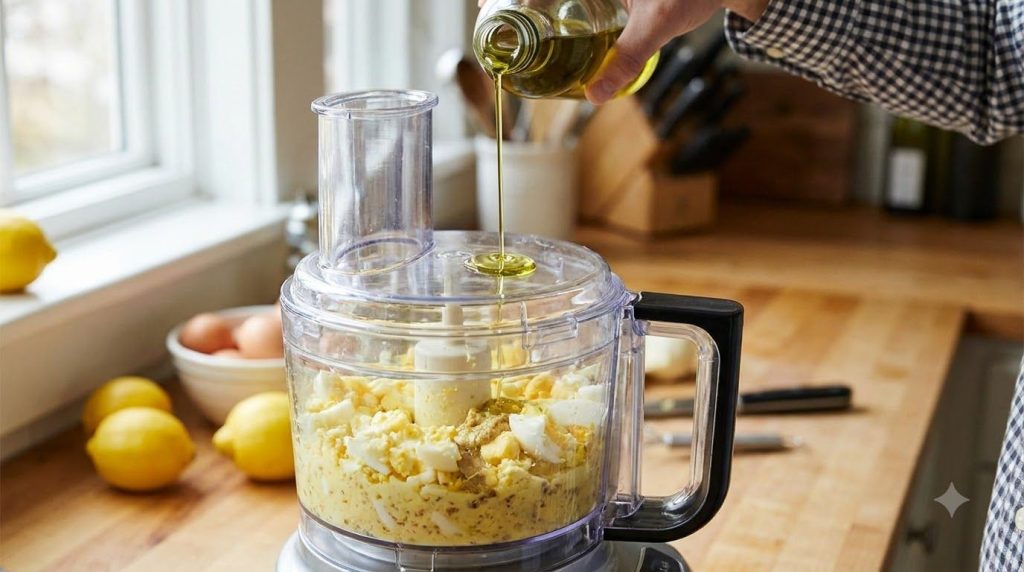
Slowly add the oil to ensure perfect emulsification. -
Adjust Consistency and Seasoning:
Stop the machine and check the consistency. If the mayonnaise is too thick for your liking, add water or extra lemon juice one teaspoon at a time, blending briefly after each addition, until you reach your desired creaminess. Taste and adjust salt, pepper, or lemon juice as needed. You might want a little more tang!
-
Serve or Store:
Transfer the finished high-protein mayonnaise to an airtight container. Serve immediately or refrigerate for later use. The flavor often deepens after chilling for a short while.
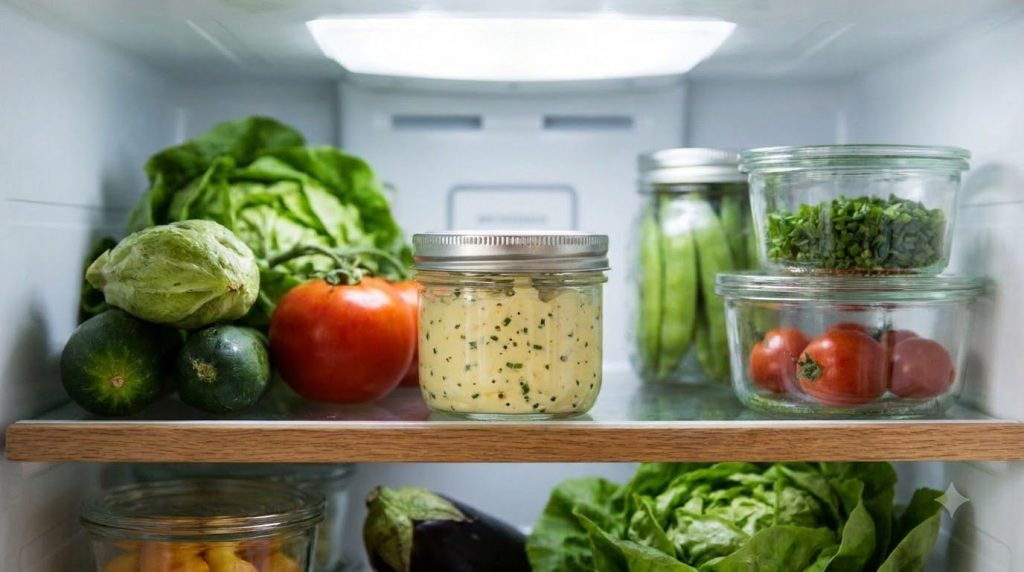
Store your homemade mayonnaise in an airtight container.
Pro Tips for the Best Results
- Use Cold Hard-Boiled Eggs: While not strictly necessary for emulsification as with raw yolks, cold eggs tend to blend into a smoother consistency more easily.
- Choose a Neutral Oil: The type of oil significantly impacts the flavor. Avoid strong-tasting oils like extra virgin olive oil unless you specifically want that robust flavor. Avocado oil is highly recommended for its health benefits and mild taste.
- Drizzle Oil Slowly: This is the most crucial step for a stable emulsion. Adding oil too quickly can cause the mixture to separate. A thin, steady stream while the blender is running works best.
- Scrape Down the Sides: During the initial blending of the eggs and other ingredients, frequently stop and scrape down the sides of your food processor or blender to ensure everything is fully incorporated.
- Adjust Seasoning Gradually: Start with the recommended amounts of salt, pepper, and lemon juice, then taste and adjust. It’s easier to add more than to fix an over-seasoned batch.
- Don’t Over-Blend Once Emulsified: Once your mayonnaise is creamy and thick, avoid over-blending, which can sometimes make the texture less desirable.
Common Mistakes to Avoid
- Adding Oil Too Quickly: This is the most common reason for mayonnaise failing to emulsify or becoming thin and runny. Always drizzle slowly.
- Using Strong-Flavored Oil: If you use an oil with a dominant flavor, it will be the primary taste of your mayonnaise, which might not be what you want. Stick to neutral oils for a classic mayo flavor.
- Not Blending Enough: Ensure the hard-boiled eggs are fully pureed and smooth before adding the oil. Any lingering chunks will affect the texture.
- Over-Diluting: If adding water or extra lemon juice for consistency, do so very slowly, one teaspoon at a time. Too much liquid can thin out the mayonnaise excessively.
Variations & Substitutions
- Garlic Aioli: Add 1-2 cloves of fresh garlic (minced or roughly chopped) to the food processor with the eggs for a flavorful garlic mayonnaise.
- Herbed Mayo: Stir in 1-2 tablespoons of finely chopped fresh herbs like chives, parsley, dill, or tarragon after blending for a fresh flavor boost.
- Spicy Mayo: Add a pinch of cayenne pepper, a dash of hot sauce, or a teaspoon of sriracha to the mix.
- Smoky Mayo: A tiny pinch of smoked paprika can add a wonderful smoky depth.
- Different Acids: Experiment with different types of vinegar like white wine vinegar or champagne vinegar for subtle flavor variations.
- Sweet & Tangy: A small pinch of sugar or a touch of maple syrup can balance the tang for certain applications.
Serving Suggestions
This high-protein hard-boiled egg mayonnaise is incredibly versatile!
- Sandwich Spreader: Elevate your deli sandwiches, BLTs, or turkey wraps.
- Creamy Salads: The perfect base for chicken salad, tuna salad, egg salad, or potato salad.
- Healthy Dip: Serve alongside raw vegetables, crackers, or pita bread.
- Sauce Base: Use it as a foundation for creamy dressings, tartar sauce, or a remoulade.
- Burger Topping: Spread it generously on your next homemade burger or veggie burger for extra flavor and protein.
Storage & Reheating
- Refrigerator Storage: Store your homemade high-protein hard-boiled egg mayonnaise in an airtight container in the refrigerator.
- Duration: It will keep well for up to 3-5 days. Since it uses cooked eggs, its shelf life is similar to that of homemade egg salad.
- Freezing: Mayonnaise, whether homemade or store-bought, does not freeze well. The emulsion will likely break, resulting in a separated, oily, and unappetizing texture upon thawing. It’s best enjoyed fresh.
FAQ
Can I use raw eggs for this recipe?
No, this specific recipe is designed for hard-boiled eggs. If you want to make traditional mayonnaise, you would use raw egg yolks, but the method and ratios would be different.
Why is my mayonnaise too thin?
If your mayonnaise is too thin, it’s likely due to adding the oil too quickly or not blending the eggs sufficiently in the initial step. Sometimes, adding too much liquid (lemon juice/water) can also thin it out. You can try blending in a bit more oil very slowly to help it thicken, or a half extra hard-boiled egg.
What kind of oil is best for mayonnaise?
Neutral oils like avocado oil, grapeseed oil, light olive oil, or sunflower oil are best. They provide a clean base flavor that allows the other ingredients to shine.
How can I make this mayonnaise taste tangier?
To make it tangier, simply add a bit more fresh lemon juice or white vinegar, one teaspoon at a time, until it reaches your desired level of tartness. Taste after each addition.
Can I add herbs or spices to this mayonnaise?
Absolutely! This mayonnaise is very customizable. You can add fresh herbs like dill, chives, or parsley, or spices like smoked paprika, garlic powder, or a pinch of cayenne for extra flavor.
Is this mayonnaise healthier than store-bought?
This homemade version often contains fewer preservatives and artificial ingredients than many store-bought options. Plus, using hard-boiled eggs significantly boosts the protein content, making it a more nutritious choice. The healthiness also depends on the type of oil you choose.
How do I know when the eggs are sufficiently blended?
Before adding the oil, the egg mixture should be very smooth, almost like a paste, with no large chunks of egg visible. Scrape down the sides of your blender or food processor to ensure everything gets processed evenly.
Recipe Card: High-Protein Hard-Boiled Egg Mayonnaise
Recipe Name: High-Protein Hard-Boiled Egg Mayonnaise
Short Description: Transform simple hard-boiled eggs into a creamy, protein-packed mayonnaise that’s perfect for spreading, dipping, or enriching your favorite salads.
Prep Time: 5 minutes
Cook Time: 0 minutes (assuming eggs are pre-boiled)
Total Time: 5 minutes
Servings: Approximately 1 cup (240 ml)
Course: Condiment, Spread
Cuisine: American
Cooking Method: Blending
Ingredients:
- 2 large hard-boiled eggs, peeled
- ½ cup (120 ml) neutral oil (such as avocado oil, light olive oil, or grapeseed oil)
- 1 tbsp (15 ml) fresh lemon juice or white vinegar
- 1 tsp Dijon mustard
- ½ tsp salt, or to taste
- ¼ tsp black pepper, or to taste
- 1-2 tbsp (15-30 ml) water or extra lemon juice, if needed for consistency
Instructions:
- Combine Base Ingredients: Place the peeled hard-boiled eggs, lemon juice (or vinegar), Dijon mustard, salt, and pepper into the bowl of your food processor or blender. Process until the mixture is relatively smooth and creamy, scraping down the sides as needed.
- Slowly Add Oil: With the food processor or blender running on low speed, slowly drizzle in the neutral oil in a thin, steady stream. Continue blending until all the oil is incorporated and the mixture is thick and emulsified, resembling traditional mayonnaise.
- Adjust Consistency and Seasoning: Stop the machine and check the consistency. If the mayonnaise is too thick, add water or extra lemon juice one teaspoon at a time, blending briefly after each addition, until you reach your desired creaminess. Taste and adjust salt, pepper, or lemon juice as needed.
- Serve or Store: Transfer the finished high-protein mayonnaise to an airtight container. Serve immediately or refrigerate.
Notes:
- Ensure your hard-boiled eggs are fully cooked and peeled for the best results.
- Adding the oil slowly is crucial for a smooth, stable mayonnaise.
- Taste and adjust seasonings to your preference.
- This recipe can be easily flavored with garlic, herbs, or spices.
Storage:
Store in an airtight container in the refrigerator for up to 3-5 days. Freezing is not recommended as it can cause the emulsion to break.
Nutrition:
Nutrition information is an estimate and may vary depending on the ingredients and brands used.