Most people walk right past a powerhouse of natural wellness without a second thought: common mint leaves. You might use them to garnish a drink or add a burst of freshness to a meal, but the true potential of these unassuming leaves goes far beyond a simple flavor enhancer. This is the part most people skip, focusing on more exotic herbs when a potent remedy is often right in their garden or local store.
Mint leaves, particularly peppermint and spearmint varieties, have been cherished in traditional practices for centuries, not just for their delightful aroma but for their practical applications in everyday health. This guide will walk you through how to harness their natural properties for common ailments and general well-being, turning a simple leaf into your daily remedy.
What it is: Your Everyday Mint Remedy
At its core, a mint leaf remedy is about extracting the beneficial compounds found naturally within the leaves. Whether through a simple infusion (tea), an inhaled vapor, or a topical application, mint offers a range of uses. We’ll focus primarily on preparing a versatile mint infusion and a basic inhalation, which are simple yet highly effective ways to utilize these powerful leaves.
Ingredients for a Simple Mint Infusion (Tea)
To create your fundamental mint remedy, you’ll need just a few items:
- Fresh mint leaves (peppermint or spearmint)
- Filtered water
- Optional: Honey or a slice of lemon for taste
Approximate Measurements
Precision isn’t always key with herbal remedies, but these measurements provide a good starting point:
- For Tea: Approximately 10-15 fresh mint leaves (or 1-2 tablespoons dried mint) per 8 ounces (1 cup) of water.
- For Inhalation: A handful of fresh mint leaves (or 3-4 tablespoons dried mint) per 4-6 cups of water.
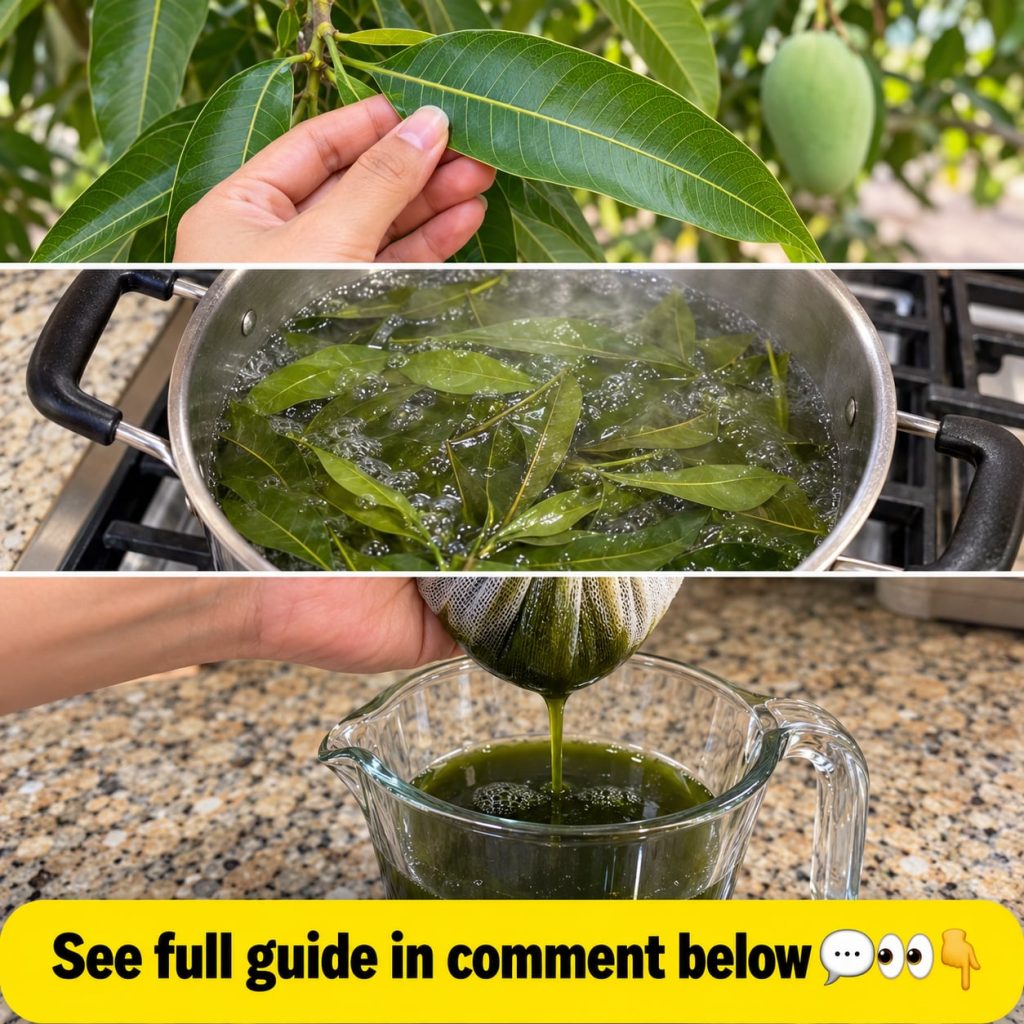
Formula / Recipe: Mint Infusion
The simplest and most common method is making a mint infusion, essentially an herbal tea. This allows for the gentle extraction of water-soluble compounds, creating a soothing and aromatic beverage.
Step-by-Step Method
- Harvest/Gather: If using fresh mint, gently pluck 10-15 clean leaves from the stem. Rinse them under cool water to remove any dirt or debris. If using dried mint, measure out 1-2 tablespoons.
- Prepare Water: Bring 8 ounces (1 cup) of filtered water to a boil.
- Combine: Place the mint leaves (fresh or dried) into a heat-proof mug or teapot.
- Infuse: Pour the boiling water over the mint leaves.
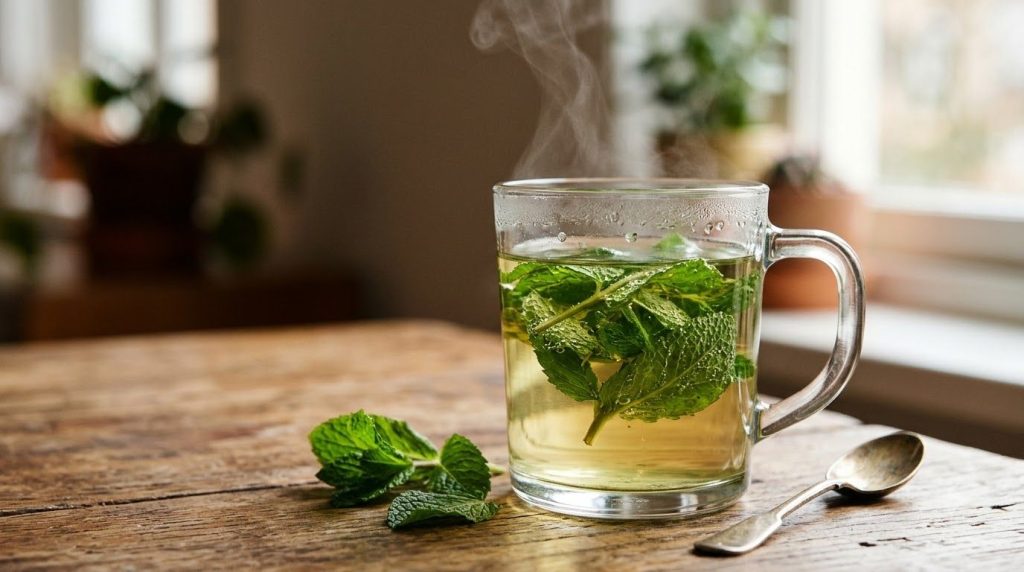
- Steep: Cover the mug or teapot with a lid or a small plate to trap the aromatic oils. Let it steep for 5-10 minutes. For a stronger flavor and more potent remedy, steep longer.
- Strain: Remove the leaves using a small strainer or spoon.
- Serve: Your mint infusion is ready to enjoy. Add honey or lemon if desired.
Quick Tip: Fresh vs. Dried Mint
While fresh mint offers a brighter, more vibrant flavor, dried mint is often more concentrated. If using dried, you generally need less. Always opt for organic to avoid pesticides, whether fresh from your garden or store-bought.
How to Use Your Mint Infusion
- For Digestive Support: Sip warm mint tea slowly after meals to help alleviate indigestion, gas, and bloating.
- For Relaxation: Enjoy a warm cup before bedtime to promote a sense of calm and ease mild tension.
- For Headaches: Drink warm tea at the onset of a tension headache.
- For Nasal Congestion (Inhalation): For congestion, place a handful of fresh mint leaves in a large bowl, pour 4-6 cups of boiling water over them. Drape a towel over your head and the bowl, then carefully inhale the steam for 5-10 minutes. Be cautious of the hot steam.
How Often to Use
For general wellness and mild digestive upset, 1-3 cups of mint tea per day is generally well-tolerated. For inhalation, use once or twice a day when congested. Listen to your body and adjust frequency as needed.
How to Buy / How to Choose Ingredients
The best mint is often grown fresh in your own garden or a pot on your windowsill. When buying, look for:
- Freshness: Bright green leaves, no wilting, yellowing, or black spots.
- Aroma: A strong, pleasant minty scent.
- Source: Organic options are preferred to avoid chemical residues.
If purchasing dried mint, choose reputable brands that offer organic, finely cut leaves in airtight packaging.
Storage
Fresh Mint Leaves: Wrap stems in a damp paper towel and place in a plastic bag in the refrigerator for up to a week. You can also place the stems in a glass of water, cover loosely with a plastic bag, and refrigerate.
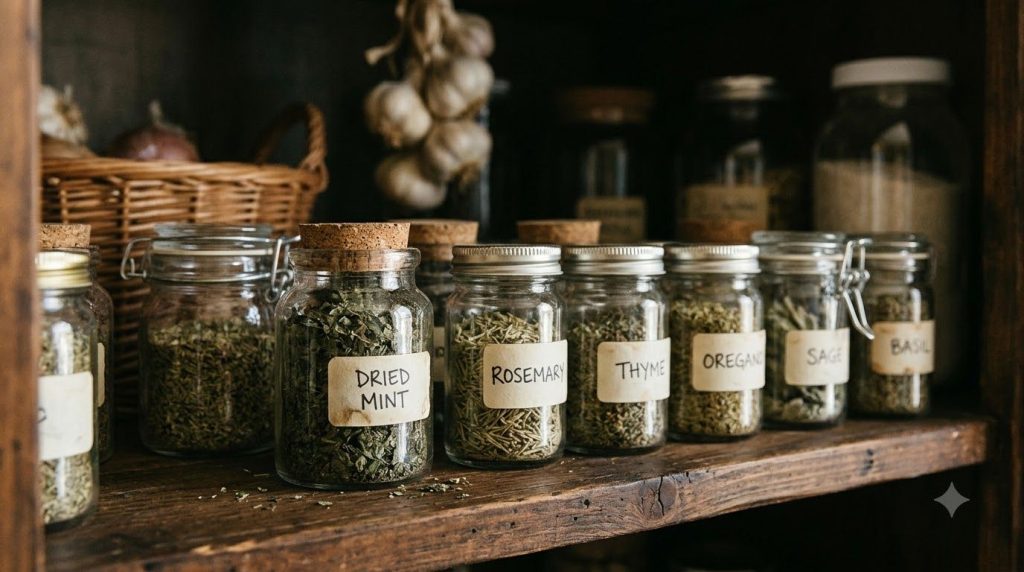
Dried Mint Leaves: Store in an airtight container in a cool, dark place away from direct sunlight and moisture. It will retain potency for up to a year.
Prepared Mint Tea: Can be stored in the refrigerator in an airtight container for up to 24 hours, though it’s best enjoyed fresh.
Practical Tips
- Crush Fresh Leaves: Gently bruise or tear fresh mint leaves before steeping to release more of their essential oils.
- Avoid Over-Boiling: When making tea, avoid boiling the leaves directly in water, as this can degrade delicate compounds. Always pour boiling water over the leaves.
- Grow Your Own: Mint is incredibly easy to grow and can provide a constant supply of fresh leaves. Just be aware it can spread aggressively, so consider planting it in a container.
- Combine with Other Herbs: Mint pairs well with ginger for digestive issues or chamomile for relaxation.
Common Mistakes
- Using Sprayed Plants: Never use mint from a garden or area that has been treated with pesticides or herbicides.
- Over-Steeping for Too Long: While longer steeping can make the tea stronger, excessively long steeping can sometimes result in a bitter taste.
- Storing Incorrectly: Allowing fresh mint to sit exposed will cause it to wilt quickly, losing its potency and flavor.
- Using Stale Dried Mint: Over time, dried mint loses its aromatic oils and effectiveness. Always check the scent; if it’s faint, it’s likely past its prime.
Did You Know?
The refreshing sensation of mint comes from menthol, a compound found in peppermint, which activates cold-sensitive receptors in the skin and mouth. This is also what makes it effective for clearing nasal passages!
Cautions / Who Should Avoid It
While generally safe for most people, there are a few considerations:
- GERD/Heartburn: Mint can sometimes relax the sphincter between the esophagus and stomach, potentially worsening heartburn symptoms in some individuals.
- Infants and Young Children: Avoid giving large quantities of peppermint tea to infants and very young children. Peppermint oil should never be applied to the face of infants as it can cause breathing problems.
- Allergies: Though rare, some individuals may be allergic to mint. Discontinue use if you experience any adverse reactions.
- Medication Interactions: Consult with a healthcare professional if you are on medication, especially for stomach issues or blood thinners, as mint can sometimes interact.
Quick Summary: Your Mint Remedy Cheat Sheet
- Best Preparation: Simple hot water infusion (tea) for internal use, steam inhalation for congestion.
- Best Use-Case: Digestive upset (indigestion, gas), tension headaches, relaxation, nasal congestion.
- Storage: Fresh in the fridge (damp paper towel/water glass), dried in an airtight, cool, dark place.
- When to Use: After meals for digestion, before bed for relaxation, as needed for headaches or congestion.
- What to Avoid: Pesticide-treated mint, excessive boiling, giving to infants.
FAQ
Q1: Can I use both peppermint and spearmint?
A: Yes, both have beneficial properties. Peppermint is generally stronger in menthol and flavor, while spearmint is milder.
Q2: How long does fresh mint tea last?
A: It’s best consumed immediately, but can be refrigerated for up to 24 hours.
Q3: Can I refrigerate fresh mint leaves?
A: Yes, wrapped in a damp paper towel or with stems in water, they last about a week in the fridge.
Q4: Is it safe to drink mint tea daily?
A: For most healthy adults, 1-3 cups daily is considered safe and beneficial. Always listen to your body.
Q5: Can I reuse the mint leaves for another cup of tea?
A: You can, but the second infusion will be significantly weaker as most beneficial compounds would have already been extracted.
Q6: What part of the mint plant is best for remedies?
A: The leaves contain the highest concentration of essential oils and beneficial compounds.
Q7: Can I freeze mint leaves?
A: Yes, you can freeze whole leaves on a tray and then transfer to an airtight bag, or blend with a little water and freeze in ice cube trays for later use in drinks or cooking.
Q8: When should I avoid mint tea?
A: Avoid if you experience increased heartburn, are giving it to infants, or if you have specific medication interactions. Consult a doctor if unsure.
Conclusion
The power of common mint leaves is truly underestimated, offering a simple, accessible path to natural wellness. By understanding how to properly prepare and use this humble herb, you can tap into a wealth of practical benefits for digestion, relaxation, and respiratory comfort. Don’t overlook the natural remedies that are often right under your nose. Start incorporating mint into your daily routine and experience its refreshing advantages.
You may also like: DIY Ginger-Lemon Tea for Digestion
Read more: How to Grow Herbs Indoors: An Easy Guide
