Most people cherish autumn for its vibrant colors, crisp air, and invigorating forest walks. But amidst the golden leaves and earthy scents, a hidden danger lurks: wild mushrooms. While some edible varieties are culinary treasures, a single misidentification can lead to severe illness or even death. The fruit gets the attention, but one small preparation mistake – or even just a touch – can spell disaster.
This isn’t about harvesting; it’s about avoiding. For anyone who enjoys exploring nature, knowing which mushrooms to steer clear of is as vital as knowing which paths to take. This guide highlights nine specific autumn forest mushrooms that you must never touch, let alone consume.
What It Is: The Peril of Wild Mushroom Identification
Wild mushrooms are diverse, fascinating, and often beautiful, but their appearance can be deceiving. Many highly toxic mushrooms have harmless look-alikes, making amateur foraging incredibly risky. Even experienced foragers approach identification with extreme caution, using multiple reliable resources. For the casual enthusiast, the safest rule is simple: if you don’t know it with 100% certainty, leave it alone. Touching some varieties can cause skin irritation, and ingestion, even in small amounts, can trigger severe poisoning.
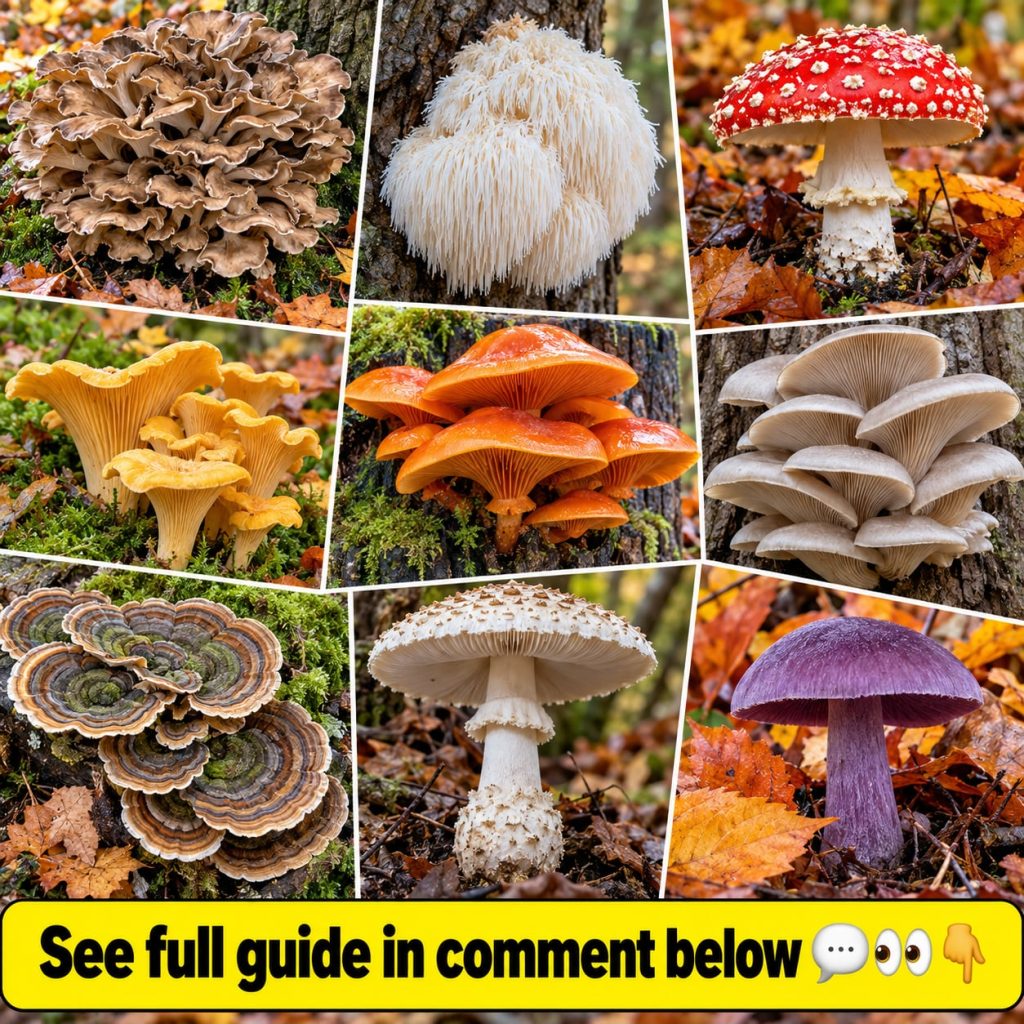
Here’s the part most people skip: The Deadly Dozen (or in this case, nine)
Identifying poisonous mushrooms requires keen observation of several features: cap shape and color, gill attachment and color, stem characteristics (ring, volva), spore print color, and habitat. Never rely on a single feature.
9 Autumn Forest Mushrooms to Avoid
- Death Cap (Amanita phalloides): Often found near oak trees, it has a greenish-yellow cap, white gills, a skirt-like ring on the stem, and a distinctive cup-like sack (volva) at the base. It’s responsible for most mushroom-related fatalities worldwide.
- Destroying Angel (Amanita virosa/bisporigera): Pure white in color, this mushroom lives up to its name. It has white gills, a ring, and a prominent volva, often found in woodlands. It’s easily mistaken for edible white mushrooms.
- Deadly Galerina (Galerina marginata): A small, unassuming brown mushroom that grows in clusters on decaying wood. It has a rusty-brown cap, brownish gills, and a subtle ring on the stem. Highly toxic, containing the same toxins as the Death Cap.
- False Parasol (Chlorophyllum molybdites): A large, white mushroom with green spore prints (though young ones may not show this). Found in grassy areas, lawns, and edges of woods. It causes severe gastrointestinal distress.
- Sickener (Russula emetica): Easily identified by its bright red cap and pure white gills, often found in coniferous and deciduous forests. While not typically lethal, it causes intense nausea, vomiting, and diarrhea.
- Jack O’Lantern Mushroom (Omphalotus illudens): An orange to yellowish mushroom that grows in large, dense clusters at the base of trees or on buried wood. It’s bioluminescent in the dark. Causes severe gastrointestinal issues.
- Fly Agaric (Amanita muscaria): The iconic red-and-white-spotted toadstool from fairy tales. While not always deadly, it’s highly poisonous and hallucinogenic, causing nausea, delirium, and other neurological symptoms.
- Brown Roll-Rim (Paxillus involutus): A dull brown mushroom with gills that easily peel away from the cap. It has a “rolled in” cap margin when young. Once considered edible, it’s now known to be deadly, causing acute organ failure after repeated consumption.
- Poison Pie (Hebeloma crustuliniforme): A medium-sized, tan to light brown mushroom with a convex cap and pale brownish gills. It often has a strong, radish-like odor. Found in woodlands, it causes significant gastrointestinal upset.
- Observe from a Distance: Admire their beauty, but don’t touch unfamiliar mushrooms with bare hands.
- Use Field Guides: If you’re interested in learning, carry a reputable, regional field guide.
- Never Taste: A “nibble and spit” test is an extremely dangerous myth. Even a tiny amount of toxin can be absorbed.
- Educate Yourself: Learn the deadly look-alikes for common edible species in your area.
- Misidentification: The most critical mistake. Believing you know a mushroom when you don’t.
- Relying on Old Wives’ Tales: “If animals eat it, it’s safe,” “If it turns silver black, it’s poisonous,” or “Boiling makes it safe.” These are all false and dangerous.
- Touching Without Caution: Some toxins can cause skin irritation or be absorbed through skin, though serious poisoning usually requires ingestion.
- Foraging Alone as a Beginner: Always learn with an experienced expert.
- Collecting with Edibles: Storing unknown mushrooms in the same basket as known edibles risks cross-contamination.
Quick Tip: The Golden Rule of Foraging Safety
Never, ever consume a wild mushroom unless you are 100% certain of its identification by multiple authoritative sources, and ideally, verified by an expert. When in doubt, leave it out.
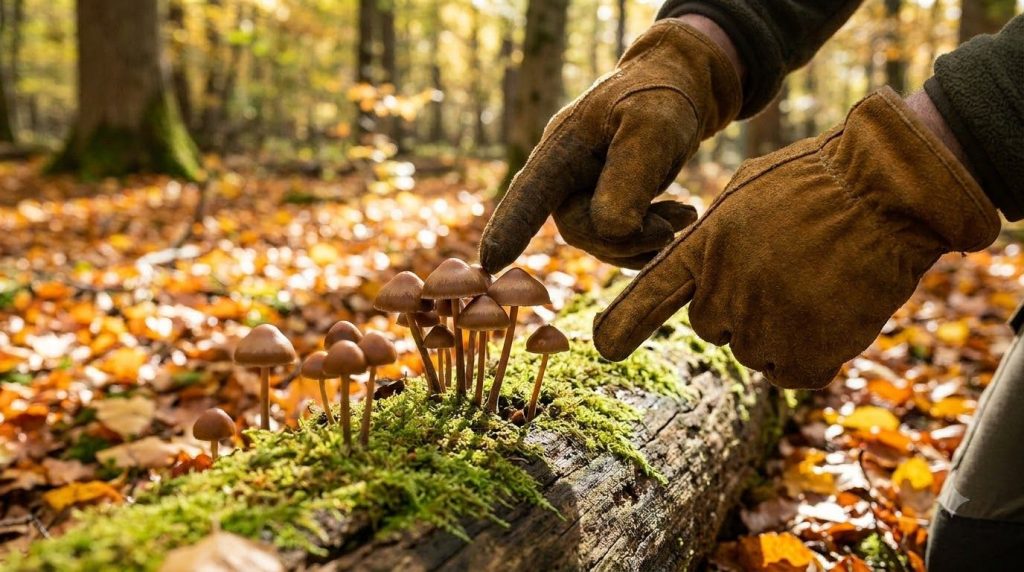
How to Safely Approach Wild Mushrooms
Instead of thinking about “how to use” these, focus on “how to identify and avoid.”
Common Mistakes When Encountering Wild Mushrooms
One small preparation mistake can ruin the whole batch, but with poisonous mushrooms, one small identification mistake can be fatal. Here are common errors:
Cautions: Who Should Avoid Wild Mushrooms?
Frankly, everyone who is not a certified mycologist should avoid consuming wild mushrooms unless they have been personally identified by an expert. Children and pets are especially vulnerable to accidental ingestion, so keep a close eye on them during forest walks. If you suspect someone has eaten a poisonous mushroom, seek immediate medical attention, bringing a sample of the mushroom if possible.
Quick Summary for Forest Safety
| Best Action | Why |
|---|---|
| Identify & Avoid | Misidentification is lethal. |
| Don’t Touch (Bare Hand) | Some species can cause skin irritation. |
| Never Taste | Even a small amount can be deadly. |
| Seek Expert Guidance | Crucial for learning and safety. |
| Carry a Field Guide | For education, not for eating decisions. |
FAQ: Your Mushroom Safety Questions Answered
Q: Can I tell if a mushroom is poisonous by its smell?
A: No. Some deadly mushrooms have pleasant smells, and some edible ones have foul odors. Smell is not a reliable indicator of toxicity.
Q: What should I do if my child or pet eats a wild mushroom?
A: Seek immediate emergency medical care. If possible, collect a sample of the mushroom (or a photograph) to help with identification.
Q: Is it safe to touch any wild mushroom?
A: While most deadly mushroom toxins are not absorbed through casual skin contact, it’s best to avoid touching unfamiliar mushrooms with bare hands, especially if you have sensitive skin or open cuts. Some species can cause irritation.
Q: Are there any universal tests for poisonous mushrooms?
A: No. There are many dangerous myths (like “silver tarnishing” or “peeling caps”). Only scientific identification can determine a mushroom’s safety.
Q: Can cooking make a poisonous mushroom safe?
A: No. While cooking can neutralize some toxins in certain mushrooms, the deadliest toxins (like those in Death Caps) are not destroyed by heat and remain highly dangerous.
Q: What part is best for identification?
A: For proper identification, you usually need the entire mushroom, including the base (to check for a volva), the cap, gills, and stem. Spore prints are also crucial.
Read more: Common Foraging Mistakes to Avoid
Stay Safe in the Autumn Woods
The beauty of autumn forests is undeniable, and appreciating the diverse fungal life is part of that experience. However, an informed approach is the safest approach. By learning to recognize these nine dangerous mushrooms and following the golden rule of “when in doubt, leave it out,” you can ensure your forest adventures remain joyful and safe.
Continue reading: Understanding Forest Ecosystems: A Beginner’s Guide
