Most men don’t think about their prostate until an issue arises. But what if a simple, natural remedy could be part of your proactive wellness routine? While much attention is given to diet and exercise, many overlook the power of specific herbal blends that have supported men’s health for generations. Ignoring this easy addition could mean missing out on a foundational step for prostate well-being and improved daily comfort.
This article dives into a practical herbal tea blend designed to support prostate health and promote healthy urination. It’s not about grand claims, but about consistency and using nature’s gentle touch.
What It Is: Your Daily Prostate Support Tea
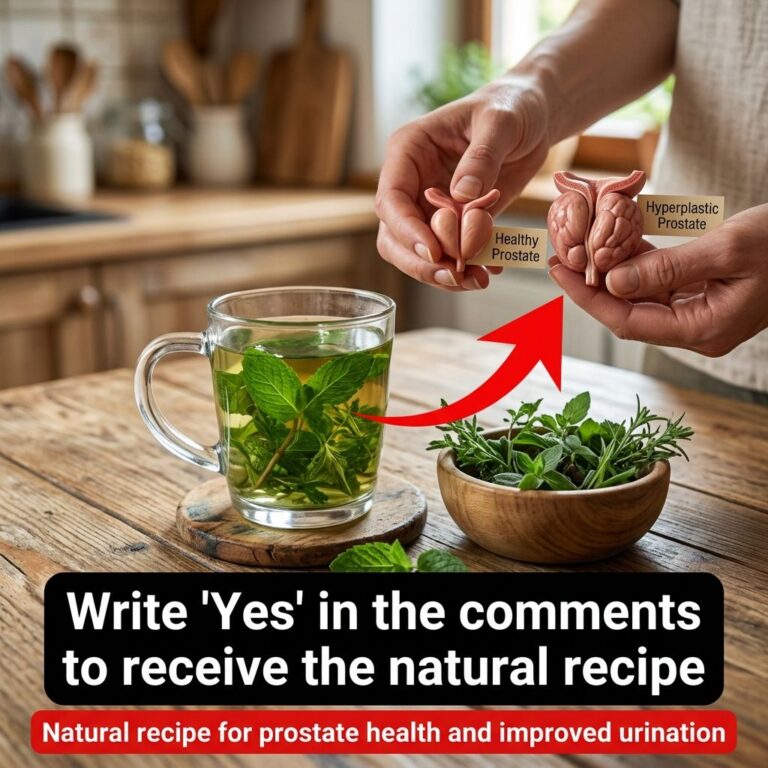
This remedy is a simple, aromatic herbal infusion – essentially a tea – crafted from a blend of specific botanicals known for their traditional use in supporting men’s urinary and prostate health. It’s a gentle, warming beverage meant to be integrated into your daily routine, offering sustained support rather than a quick fix. We’ll focus on a blend featuring Nettle Leaf, Green Tea, Peppermint, and a touch of Rosemary.
Ingredients You’ll Need
For one serving of your prostate support tea, gather these high-quality ingredients:
- Dried Nettle Leaf (Urtica dioica): Known for supporting urinary flow and discomfort.
- Dried Green Tea (Loose Leaf): Rich in antioxidants and compounds beneficial for overall cellular health.
- Dried Peppermint Leaf (Mentha piperita): Adds a refreshing flavor and can aid digestion.
- Dried Rosemary (Rosmarinus officinalis): Offers a pleasant aroma and has general anti-inflammatory properties.
- Filtered Water: Essential for a clean, flavorful brew.
Approximate Measurements (Per Serving)
- 1 teaspoon (2g) Dried Nettle Leaf
- 1/2 teaspoon (1g) Dried Green Tea
- 1/2 teaspoon (1g) Dried Peppermint Leaf
- 1/4 teaspoon (0.5g) Dried Rosemary
- 1 cup (240 ml) Filtered Water
The Formula: Simple Herbal Infusion
Combining these herbs and steeping them correctly creates a synergistic blend. The key is to extract their beneficial compounds without over-steeping the more delicate elements like green tea, which can become bitter.
Step-by-Step Method: Brewing Your Tea
- Boil Water: Bring 1 cup (240 ml) of filtered water to a near boil, aiming for around 190-200°F (88-93°C). This is slightly cooler than a rolling boil, ideal for green tea.
- Combine Herbs: Place the dried nettle leaf, green tea, peppermint leaf, and rosemary into a tea infuser, a French press, or directly into your mug if you prefer a rustic strain later.
- Pour and Steep: Pour the hot water over the herbs.
- Cover and Infuse: Cover your mug or teapot to trap the volatile oils and beneficial compounds. Let it steep for 5-7 minutes.
- Strain and Serve: Remove the infuser or strain the herbs. Your prostate support tea is ready to enjoy.
How to Use Your Prostate Tea
This tea is best consumed warm. You can enjoy it plain or add a touch of raw honey or a squeeze of lemon if desired. Avoid adding sugar, which can counteract some of the health benefits.
How Often to Use
For consistent support, aim for 1-2 cups of this herbal tea daily. Many find it beneficial to have one cup in the morning and another in the afternoon. Listen to your body and adjust as needed.
How to Buy / How to Choose Ingredients
The quality of your herbs significantly impacts the effectiveness of your remedy.
- Source Reputably: Purchase dried herbs from organic, reputable herbal suppliers or health food stores. Look for certifications that indicate quality and purity.
- Freshness Matters: Ensure the herbs are vibrant in color and have a distinct aroma. Faded color or a lack of scent can indicate old or poorly stored material.
- Avoid Powders: Opt for loose leaf or cut and sifted herbs over fine powders, which can sometimes be adulterated or of lower quality.
Quick Tip: Fresh vs. Dried Herbs
While fresh herbs are delightful, dried herbs are often preferred for teas like this due to their concentrated potency and longer shelf life. Here’s a quick comparison:
| Feature | Dried Herbs | Fresh Herbs |
|---|---|---|
| Potency | More concentrated due to water removal. | Less concentrated; more volume needed. |
| Availability | Year-round, easy to store. | Seasonal, perishable. |
| Preparation | Standard measurements for tea. | Requires larger quantities, can be milder. |
| Storage | Airtight, cool, dark place. | Refrigerate, use quickly. |
Storage
Store your dried herbs in airtight containers, away from direct sunlight, heat, and moisture. Glass jars with tight-fitting lids are ideal. Properly stored, dried herbs can maintain their potency for up to 1-2 years. Once brewed, the tea is best consumed fresh, but can be refrigerated in a sealed container for up to 24 hours.
Practical Tips for Best Results
- Consistency is Key: Regular daily intake is more effective than sporadic use.
- Hydration: Continue drinking plenty of plain filtered water throughout the day.
- Mindful Brewing: Don’t rush the steeping process; allow the herbs time to release their beneficial compounds.
- Listen to Your Body: Pay attention to how you feel and adjust your intake if necessary.
Common Mistakes to Avoid
Even a simple tea can be less effective if common errors are made:
- Boiling Water for Green Tea: Too-hot water can make green tea bitter and destroy some delicate compounds. Stick to near-boiling.
- Over-Steeping: While some herbs benefit from longer steeping, over-steeping green tea can lead to bitterness. Follow the recommended times.
- Using Old or Stale Herbs: Herbs lose their potency over time. Always check the freshness and aroma of your ingredients.
- Ignoring Cautions: Assuming ‘natural’ means ‘always safe’ can be a mistake. Always review potential interactions or contraindications.
Cautions / Who Should Avoid It
While generally safe for most, certain individuals should exercise caution or avoid this tea:
- Medication Interactions: Nettle leaf can interact with blood thinners, diuretics, and medications for blood pressure or diabetes. Green tea can also interact with certain medications. Consult your doctor if you are on any prescribed medication.
- Pregnancy and Breastfeeding: There isn’t enough research to confirm safety during pregnancy or breastfeeding. It’s best to avoid.
- Allergies: If you have known allergies to any of the herbs, do not consume this tea.
- Underlying Health Conditions: If you have a diagnosed prostate condition (e.g., BPH, prostate cancer) or other serious health issues, consult your healthcare provider before starting any new herbal regimen. This tea is intended for support, not as a replacement for medical treatment.
Quick Summary
- Best Preparation: Gentle infusion of Nettle Leaf, Green Tea, Peppermint, and Rosemary.
- Best Use-Case: Daily support for prostate health and healthy urination.
- Storage: Dried herbs in airtight containers; brewed tea refrigerated for up to 24 hours.
- When to Use: 1-2 cups daily, ideally morning and afternoon.
- What to Avoid: Over-steeping, stale herbs, boiling water for green tea, self-treating serious conditions.
Frequently Asked Questions
- Can I use fresh herbs instead of dried? Yes, but you’ll need to use roughly double the amount of fresh herbs for similar potency.
- How long does the brewed tea last? It’s best fresh, but can be refrigerated for up to 24 hours.
- Can I make a larger batch? Yes, scale the ingredients proportionally and store the extra tea in the refrigerator.
- Is this tea a cure for prostate issues? No, it’s a supportive remedy, not a cure. Always consult a healthcare professional for diagnosis and treatment of any medical condition.
- Can women drink this tea? While beneficial, Nettle Leaf is primarily focused on male urinary health. Women can enjoy the other herbs for general wellness.
- What if I don’t like the taste? Adjust the ratios slightly, perhaps reducing nettle or increasing peppermint. A slice of lemon or a tiny bit of honey can also help.
- Can I add other herbs? Yes, but research their interactions and benefits first. Consult a qualified herbalist.
You may also like: Natural Remedies to Improve Your Sleep Quality
Related remedy: Ginger Turmeric Tonic for Anti-Inflammatory Support
Final Thoughts
Integrating this simple herbal tea into your daily routine is a small step that can yield significant long-term benefits for your prostate health. It’s a testament to the idea that sometimes, the most effective remedies are those closest to nature. By taking a proactive approach and understanding the power of these botanicals, you’re investing in your well-being for years to come. Start brewing today and feel the difference.