Discover a simple, budget-friendly beauty ritual using common household items to support a smoother, more radiant complexion. This guide features a DIY remedy often associated with achieving a ‘glass skin’ appearance.

Quick Recipe
Prep time: 5 minutes
Best for: Dullness, dry skin, uneven skin tone, those seeking a radiant glow
Use type: Face mask/paste
Main ingredients:
- Baking soda
- Petroleum jelly (Vaseline)
- Baby oil
Ingredients
- 1 tablespoon baking soda
- 1 teaspoon petroleum jelly (Vaseline)
- 1 teaspoon baby oil
How to Make It
- In a small, clean bowl, combine the baking soda, petroleum jelly, and baby oil.
- Mix thoroughly with a spoon or clean spatula until you achieve a smooth, consistent paste.
- Ensure there are no lumps and all ingredients are well incorporated.
How to Use It
- Start with a clean, dry face.
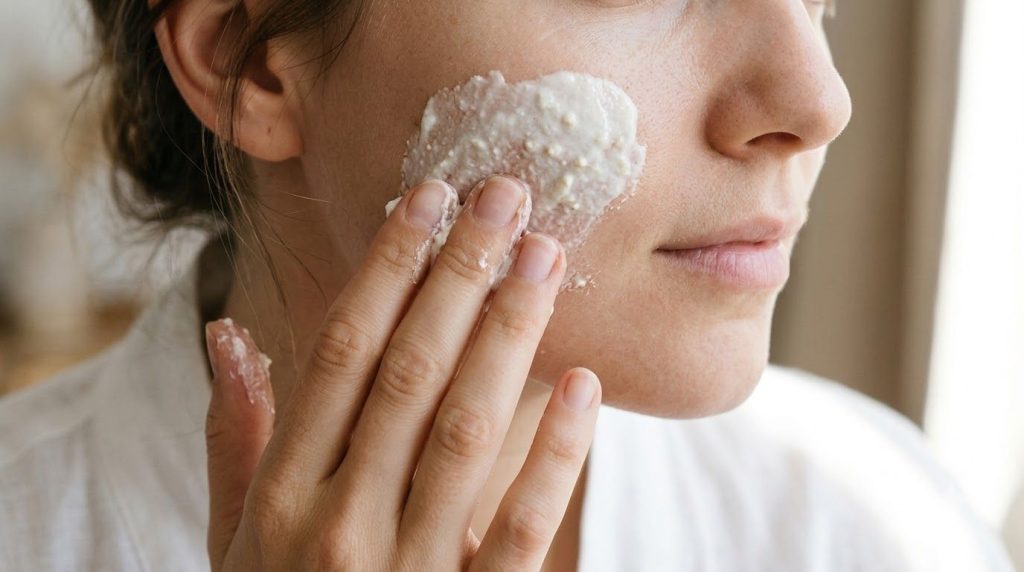
- Apply a thin, even layer of the paste to your face, avoiding the delicate eye area and lips.
- Gently massage the mixture into your skin using circular motions for about 1-2 minutes. This can help with exfoliation.
- Leave the mask on for no more than 5-10 minutes.
- Rinse thoroughly with lukewarm water, ensuring all residue is removed.
- Pat your skin dry with a soft towel and follow up with your regular moisturizer.
How Often to Use It
Due to the exfoliating nature of baking soda, it’s best to use this mask sparingly. Start with once a week to see how your skin reacts. If your skin tolerates it well, you may use it up to twice a week, but no more frequently.
Why These Ingredients Are Used
Baking Soda
Baking soda (sodium bicarbonate) is a mild abrasive that can help to gently exfoliate the skin’s surface, removing dead skin cells and supporting a brighter appearance. Its alkaline nature is often thought to help balance skin, contributing to a smoother feel.
Petroleum Jelly (Vaseline)
Petroleum jelly is renowned for its occlusive properties, meaning it forms a protective barrier on the skin. This barrier helps to lock in moisture, hydrate the skin, and support the skin’s natural healing process, contributing to a soft and plump appearance.
Baby Oil
Baby oil is primarily mineral oil, which is a lightweight, non-comedogenic emollient. It helps to soften and smooth the skin, making it feel supple and look more radiant. It can also assist in dissolving surface impurities, contributing to a clearer look.
What Results to Expect
After using this DIY remedy, you may find your skin feels softer, smoother, and more hydrated. The gentle exfoliation can help support a brighter, more even-toned complexion, contributing to a fresh, ‘glass skin’ like glow. Consistent use may help diminish the appearance of dullness, promoting a more youthful-looking radiance.

Safety Notes
- Patch test first: Always apply a small amount of the mixture to an inconspicuous area of your skin (e.g., behind the ear or on the inner forearm) at least 24 hours before full application to check for any adverse reactions.
- Use gently: Baking soda can be abrasive. Avoid vigorous scrubbing, which can irritate the skin.
- Avoid irritated or broken skin: Do not apply this mask to skin that is cut, sunburned, or has any open wounds or active acne breakouts.
- Stop using it if discomfort occurs: If you experience any redness, itching, burning, or excessive dryness, rinse immediately and discontinue use.
- Avoid eye area: Be very careful to keep the mixture away from your eyes, as it can be highly irritating.
- Not for all skin types: Individuals with very sensitive, dry, or acne-prone skin may find baking soda too harsh. Consult a dermatologist if you have concerns.
FAQ
Can I use this remedy if I have sensitive skin?
If you have sensitive skin, it’s particularly important to perform a patch test first. Baking soda can be irritating for some skin types. Start with a very short application time (2-3 minutes) or consider alternative gentle exfoliants if irritation occurs.
How long does it take to see results?
Results can vary from person to person. Many users report feeling softer, smoother skin after just one application. For more noticeable improvements in radiance and appearance of smoothness, consistent use over several weeks (as recommended) may be helpful.
Can this mask help with acne?
While some ingredients have mild cleansing properties, this remedy is not specifically formulated or recommended as an acne treatment. Baking soda can be too harsh for active breakouts. If you have acne-prone skin, it’s best to consult a dermatologist for appropriate solutions.
Final Thoughts
Embracing simple, accessible home remedies can be a wonderful way to care for your skin. This DIY glass skin paste offers a straightforward approach to promoting a smoother, more radiant complexion using common items. Always prioritize your skin’s health by performing patch tests and listening to how your skin responds. Share your experiences in the comments below!