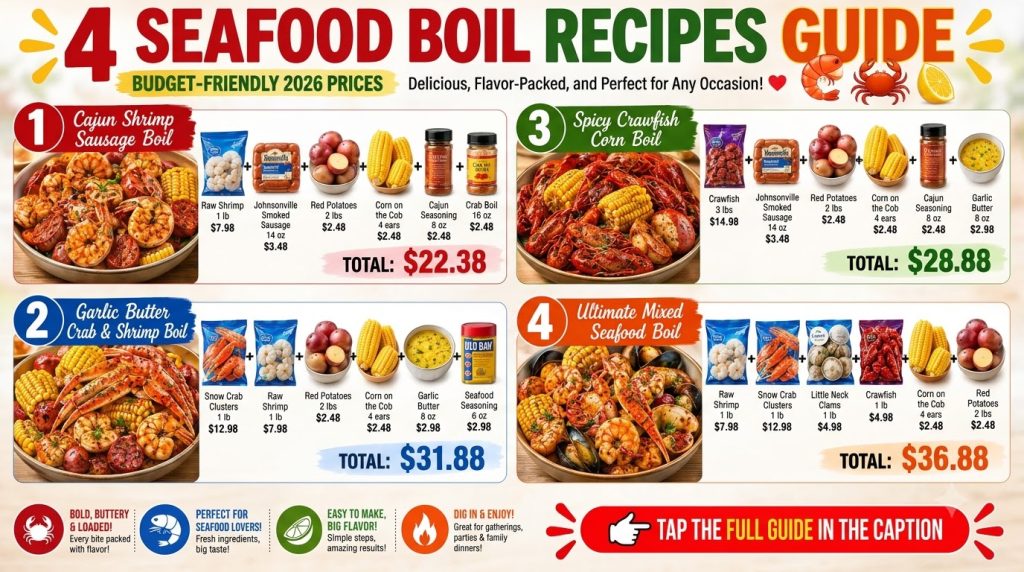
Your Guide to Budget-Friendly Seafood Boils!
A seafood boil is more than just a meal; it’s a vibrant, communal experience that brings people together. Piles of perfectly cooked seafood, corn, potatoes, and sausage, all seasoned with a zesty kick, laid out for everyone to enjoy—it’s truly a feast for the senses. But often, the perception is that a seafood boil comes with a hefty price tag. We’re here to bust that myth! This guide will show you how to craft an incredible, flavor-packed seafood boil without emptying your wallet. Get ready to gather your friends and family for an unforgettable meal that’s as affordable as it is delicious.
Why You’ll Love a Budget-Friendly Seafood Boil
- Economical Enjoyment: Experience the joy of a lavish meal without the high cost of expensive ingredients or dining out.
- Customizable to Your Taste & Budget: Easily adapt ingredients based on what’s affordable and available, and tailor flavors to your preference.
- Simple & Straightforward: Despite its impressive appearance, a seafood boil is surprisingly simple to prepare, making it perfect for hosts of all skill levels.
- Feeds a Crowd: An excellent option for gatherings, offering generous portions and a fun, interactive dining experience.
- Flavor-Packed Fun: The combination of savory seafood, tender vegetables, and bold seasonings creates an irresistible flavor profile that’s always a hit.
- Minimal Cleanup: Often served directly on a paper-covered table, making cleanup a breeze once the feast is over.
Ingredients (General Components & Budget Tips)
When planning a budget-friendly seafood boil, think of categories rather than fixed ingredients. Your goal is to maximize flavor and bulk with affordable options.
The Seafood (Choose 1-2 affordable options):
- Shrimp: Often the most budget-friendly and widely available option. Look for frozen, shell-on shrimp which can be more economical.
- Mussels or Clams: These can be very affordable, especially if purchased fresh from a local seafood market.
- Crawfish: Seasonal and can be very cost-effective when in season in certain regions.
- Small Crab Clusters (e.g., Snow Crab): If crabs are a must, look for deals on smaller clusters or choose one type instead of a variety.
The Starches (Essential for filling and flavor absorption):
- Small Potatoes: Red potatoes or new potatoes work best. Buy in bulk bags for savings.
- Corn on the Cob: Fresh or frozen corn cobettes are great. Frozen is often more budget-friendly when fresh is out of season.
The Vegetables (Adds flavor, texture, and bulk):
- Andouille Sausage (or other smoked sausage): Adds a fantastic smoky, savory depth. Look for sales on larger packs.
- Onions: Quartered, they add sweetness and aromatics to the broth.
- Garlic: Whole cloves or minced garlic add crucial flavor to the boil.
- Lemon: Halved lemons infuse brightness and acidity.
The Seasoning (The heart of the boil!):
- Old Bay Seasoning (or similar seafood boil seasoning blend): A classic and essential ingredient for authentic flavor.
- Cayenne Pepper: For an extra kick, adjust to your spice preference.
- Paprika: Adds color and a mild, earthy flavor.
- Salt: Coarse salt is best for the boiling water.
- Black Pepper: Freshly ground for best flavor.
- Butter: Melted for serving, often mixed with seasoning for dipping.
Liquids:
- Water: The primary liquid for the boil.
- Chicken or Vegetable Broth (optional): Can add another layer of flavor if you have it on hand.
- Beer (optional): A light lager or pilsner can add a complex malty note to the boil.
Ingredient Notes
- Frozen vs. Fresh Seafood: Don’t be afraid of frozen seafood! It’s often flash-frozen at its peak freshness and can be significantly cheaper than fresh. Ensure it’s thawed properly before cooking.
- Bulk Buying: Purchase potatoes, corn, and sausage in larger quantities when on sale. These items store well.
- Homemade Seasoning: If a pre-made seafood boil seasoning is too pricey, you can create your own blend using spices like paprika, cayenne, garlic powder, onion powder, dried thyme, and bay leaves.
- Portion Control: For budget reasons, focus on making the vegetables and starches abundant, as they are cheaper fillers that still soak up all the delicious flavors.
Equipment You’ll Need
- Large Stockpot (16-20 quart/15-19 liter capacity is ideal for a crowd)
- Spider Skimmer or Large Slotted Spoon
- Large Serving Platter or Baking Sheets
- Colander
- Sharp Knife and Cutting Board
- Optional: Table covered with newspaper or butcher paper for serving
How to Make Your Budget-Friendly Seafood Boil (General Steps)
These instructions provide a general framework for preparing a seafood boil. Specific cooking times will depend on the type and size of seafood chosen.
-
Prepare Ingredients: Begin by washing and preparing your vegetables. Cut potatoes into roughly 1-2 inch (2.5-5 cm) pieces so they cook evenly. Halve or quarter onions and lemons. If using fresh corn on the cob, break or cut into 2-3 inch (5-7.5 cm) sections. Slice sausage into thick rounds (about 1 inch / 2.5 cm). Mince or smash garlic cloves.
-
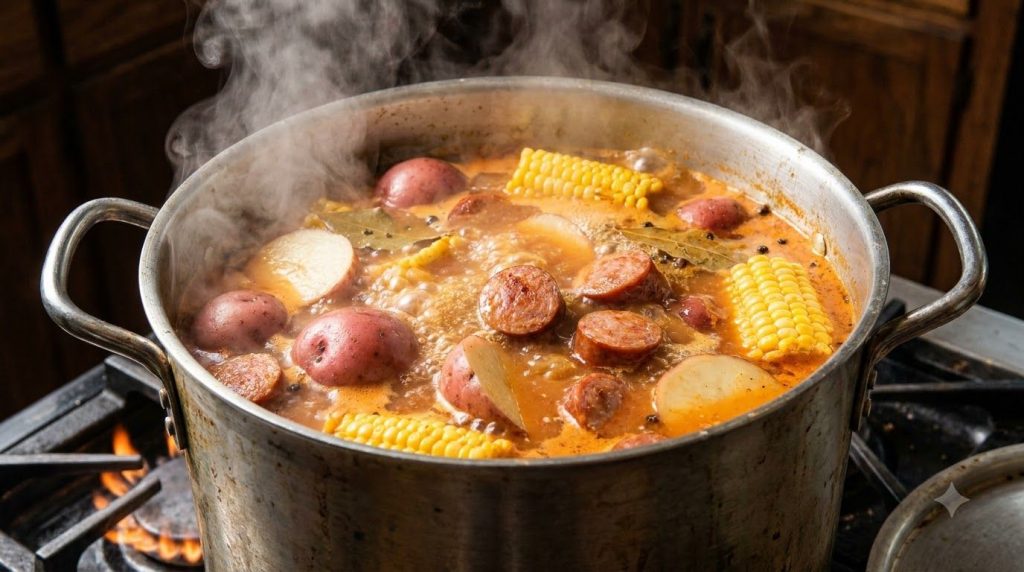
Build the Boil Liquid: In your large stockpot, add enough water to generously cover all your ingredients (typically 6-8 quarts / 5.5-7.5 liters). Add your chosen seafood boil seasoning, cayenne pepper, paprika, and a generous amount of salt. Add the quartered onions, smashed garlic, and halved lemons to the pot. If using, add chicken/vegetable broth or beer. Bring the liquid to a rolling boil over high heat.
-
Cook the Hardiest Vegetables: Once the liquid is boiling vigorously, add the potatoes. Cook for about 10-15 minutes, or until they are nearly tender but still firm. You want them to have a slight bite as they will continue to cook with other ingredients.
-
Add Sausage and Corn: Next, add the sliced sausage and corn to the pot. Continue to boil for another 5-7 minutes, ensuring all ingredients are submerged and soaking up the flavors. The corn should be tender-crisp.
-
Introduce Seafood: This is the final and quickest cooking step. Add your chosen seafood (shrimp, mussels, clams, crab, crawfish). Shrimp will cook very quickly, usually 2-3 minutes until pink and opaque. Mussels and clams are done when they open (discard any that don’t). Crawfish typically take 3-5 minutes, and crab clusters might need 5-8 minutes to heat through and finish cooking. Cook seafood in batches if your pot is too small to avoid overcrowding, which can lower the temperature and lead to uneven cooking.
-
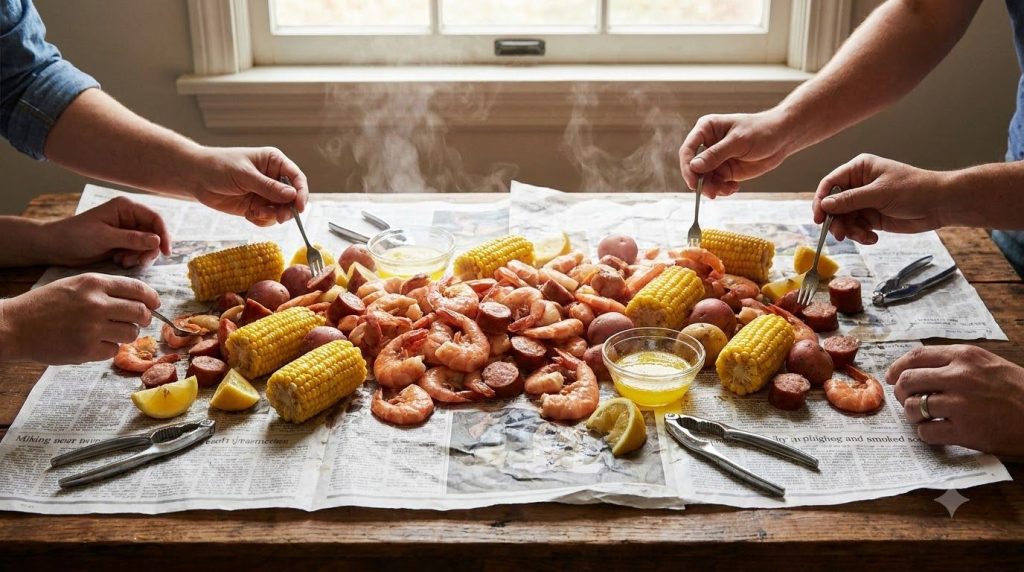
Drain and Serve: Once all ingredients are cooked through, carefully remove them from the pot using a large spider skimmer or slotted spoon. You can drain them briefly in a colander if desired, shaking off excess liquid. Transfer all cooked contents to a very large serving platter, baking sheets, or directly onto a newspaper-covered table. Serve immediately with melted butter mixed with extra seasoning for dipping.
Pro Tips for the Best Results
- Don’t Overcrowd the Pot: If you’re cooking for a large group, it’s better to do the boil in batches or use two large pots. Overcrowding lowers the water temperature and steams rather than boils your ingredients, affecting texture.
- Layer Ingredients Correctly: Always add ingredients that take longer to cook first (potatoes), then those that cook faster (corn, sausage), and finally the seafood, which cooks very quickly.
- Taste the Boil Liquid: Before adding any ingredients, taste your seasoned boiling water. It should be flavorful and slightly salty, as this is where all the ingredients get their seasoning. Adjust spices if needed.
- Serve Immediately: A seafood boil is best enjoyed hot and fresh right after it’s cooked. The flavors are most vibrant, and textures are at their prime.
- Don’t Skimp on Seasoning: The seasoning is the soul of the seafood boil. Be generous to ensure every bite is packed with flavor.
- Keep it Casual: Embrace the traditional, messy, and fun nature of a seafood boil. Paper-covered tables, plenty of napkins, and finger-licking are encouraged!
Common Mistakes to Avoid
- Overcooking Seafood: This is the most common mistake. Seafood, especially shrimp, cooks very quickly. Overcooked seafood becomes rubbery and tough. Watch it carefully and remove it as soon as it’s done.
- Under-seasoning the Water: If your boiling liquid tastes bland, your entire boil will lack flavor. Don’t be shy with the seasoning!
- Unevenly Sized Vegetables: If your potatoes are all different sizes, some will be mushy while others are still hard. Cut them uniformly for even cooking.
- Not Thawing Frozen Seafood: While frozen seafood is great, ensure it’s fully thawed before adding it to the boil. Cooking from frozen can lead to uneven cooking and can lower the pot’s temperature too much.
Variations & Substitutions
- Vegetable Boost: Add other quick-cooking vegetables like sliced bell peppers, zucchini chunks, or asparagus spears during the last few minutes of cooking.
- Spice Level: Easily adjust the heat by increasing or decreasing the amount of cayenne pepper. For a milder boil, omit it entirely.
- Citrus Zest: For an extra aromatic kick, add orange or lime halves to the boil liquid along with the lemons.
- Alternative Proteins: While not traditional, you could add chicken drumsticks or wings (cook longer with potatoes) or firmer white fish chunks (add with other seafood).
- Smoked Turkey Sausage: A great alternative to pork sausage for those avoiding pork, still providing a smoky flavor.
Serving Suggestions
Serve your budget-friendly seafood boil hot off the pot, ideally spread out on a newspaper or butcher paper-lined table. Provide plenty of napkins, wet wipes, and small bowls for shells. A simple side of crusty bread or cornbread is excellent for soaking up the delicious juices. A green salad can offer a refreshing contrast. For drinks, cold beer, iced tea, or a crisp white wine pair wonderfully. Don’t forget small ramekins of melted butter, perhaps seasoned with a pinch of Old Bay, for dipping.
Storage & Reheating
- Refrigerator Storage: Store any leftover seafood boil ingredients in airtight containers in the refrigerator for up to 2-3 days.
- Freezer Suitability: Cooked seafood and vegetables can be frozen, but the texture may change upon thawing. Shrimp, in particular, can become tougher. If freezing, separate seafood from vegetables for better quality. Store in freezer-safe bags or containers for up to 1-2 months.
- Reheating Method: Gently reheat leftovers in a pot on the stovetop with a splash of broth or water, or in the microwave. Be careful not to overcook the seafood when reheating, as it can dry out quickly. For best texture, reheating in a single layer in the oven can work for potatoes and sausage.
FAQ
- Q: What’s the cheapest seafood to use for a boil?
- A: Shrimp, mussels, and clams are generally the most budget-friendly seafood options. Frozen shrimp can offer significant savings.
- Q: Can I make the boil seasoning ahead of time?
- A: Yes, you can mix your dry seasonings (Old Bay, cayenne, paprika, etc.) in a jar ahead of time to make preparation quicker on the day of your boil.
- Q: How do I know when the seafood is cooked?
- A: Shrimp turn pink and opaque, mussels and clams open their shells, and crawfish turn bright red. Crab clusters are typically heated through rather than cooked from raw, so they just need to be hot.
- Q: What if I don’t have a huge stockpot?
- A: You can cook the boil in batches using a smaller pot, or use two medium-sized pots simultaneously to accommodate all your ingredients.
- Q: Is it okay to use frozen corn and potatoes?
- A: Frozen corn is perfectly fine and often more convenient and affordable. While you can use frozen potato wedges, fresh potatoes are generally preferred for texture and absorb seasoning better.
- Q: What can I use instead of Old Bay Seasoning?
- A: You can create your own blend with paprika, cayenne pepper, garlic powder, onion powder, celery salt, black pepper, and a touch of dried thyme.
- Q: How do I keep the boil warm for serving?
- A: If serving outdoors, you can keep drained ingredients in large, covered serving bowls or aluminum pans in a low oven (around 200°F / 93°C) for a short period, or serve immediately to maintain optimal freshness.
Your Budget-Friendly Seafood Boil Guide
Short Description: A comprehensive guide to making a delicious and affordable seafood boil at home, focusing on cost-saving tips and general preparation steps.
Prep Time: Approximately 20 minutes (for chopping and thawing)
Cook Time: Approximately 20-30 minutes (active boiling time)
Total Time: Approximately 40-50 minutes
Servings: Variable (designed for 4-8 people, depending on ingredient quantities)
Course: Main Course
Cuisine: American Southern/Coastal
Cooking Method: Boiling, Seafood Boil
Ingredients: (Suggested components; quantities vary by budget and servings desired)
- Seafood (Choose 1-2 affordable options):
- 1-2 lbs (450-900g) frozen raw shrimp (peeled or shell-on)
- 1-2 lbs (450-900g) fresh mussels or clams, scrubbed
- Optional: 1-2 lbs (450-900g) crawfish or small crab clusters (if budget allows)
- Starches & Vegetables:
- 2-3 lbs (900g-1.3kg) small red potatoes, quartered
- 4-6 ears of corn on the cob (fresh or frozen), halved or sectioned
- 1-2 lbs (450-900g) smoked sausage (e.g., Andouille), sliced 1-inch thick
- 1 large onion, quartered
- 4-6 cloves garlic, smashed
- 2-3 lemons, halved
- Seasoning & Liquids:
- 1/2 cup (120ml) seafood boil seasoning (e.g., Old Bay), or more to taste
- 1-2 tsp (5-10ml) cayenne pepper (adjust to desired spice)
- 1 tbsp (15ml) paprika
- 2-3 tbsp (30-45ml) coarse salt, plus more to taste
- 1 tsp (5ml) black pepper
- 6-8 quarts (5.5-7.5 liters) water (or water mixed with broth/beer)
- For Serving:
- 1/2 cup (120g) unsalted butter, melted
Instructions: (General guidelines; adjust times based on specific ingredients)
- Prepare all vegetables: Quarter potatoes, onions, and lemons. Section corn. Slice sausage. Smash garlic. Thaw frozen seafood if using.
- In a large stockpot (16-20 quart), add water, seafood boil seasoning, cayenne, paprika, salt, pepper, quartered onions, smashed garlic, and halved lemons. Bring to a rolling boil over high heat.
- Add potatoes to the boiling liquid. Cook for 10-15 minutes, or until nearly tender.
- Add sliced sausage and corn to the pot. Continue to boil for another 5-7 minutes.
- Add your chosen seafood. Cook shrimp for 2-3 minutes until pink and opaque. Cook mussels/clams until they open (discard unopened). Cook crawfish for 3-5 minutes, crab clusters for 5-8 minutes. Cook in batches if necessary to avoid overcrowding.
- Using a spider skimmer, carefully remove all cooked ingredients from the pot and transfer to large serving platters or a paper-lined table.
- Melt butter and mix with a pinch of extra seasoning. Serve the seafood boil immediately with the seasoned melted butter for dipping.
Notes:
This is a general guide. Specific cooking times and ingredient quantities will vary based on the types of seafood chosen and the desired number of servings. Always taste the boil liquid and adjust seasonings as needed before adding ingredients.
Storage:
Store leftovers in airtight containers in the refrigerator for 2-3 days. Cooked seafood may be frozen, but texture can change. Reheat gently on the stovetop or in the microwave.
Nutrition:
Nutrition information is an estimate and may vary depending on the ingredients and brands used. This guide focuses on components rather than precise nutritional values.