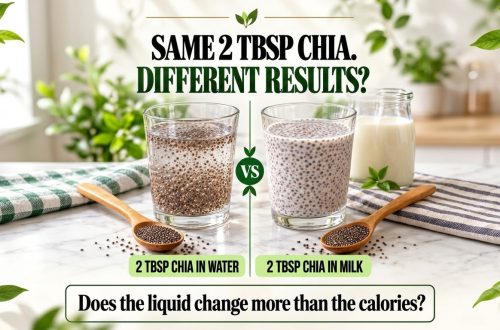
Unlock the Potential of Chia Seeds: Water vs. Milk
Chia seeds have become a superstar in the healthy eating world, celebrated for their omega-3 fatty acids, fiber, protein, and array of micronutrients. These tiny powerhouses are incredibly versatile, but how you prepare them can significantly impact their texture, taste, and even their nutritional contribution to your meal. Have you ever wondered about the difference between soaking chia seeds in water versus milk? The transformation is more surprising than you might think!

The Magic of Chia: A Quick Nutritional Refresher
Before diving into the differences, let’s briefly recap why chia seeds are so good for you. They are packed with:
- Fiber: Essential for digestive health, satiety, and blood sugar regulation.
- Omega-3 Fatty Acids: Particularly ALA (alpha-linolenic acid), which supports heart and brain health.
- Protein: A good plant-based source, contributing to muscle repair and fullness.
- Minerals: Including calcium, magnesium, and phosphorus, vital for bone health.
- Antioxidants: To help protect your cells from damage.
These benefits remain regardless of the liquid you choose, but the way your body processes them, and the overall experience, can vary greatly.
Chia Seeds in Water: The Hydration Hero
When chia seeds meet water, their hydrophilic (water-loving) nature takes center stage. The outer layer of the seeds absorbs up to 10-12 times their weight in liquid, forming a gelatinous coating. This creates a thick, tapioca-like texture.
Benefits of Chia in Water:
- Excellent Hydration: The gel helps to slowly release water into your system, aiding in prolonged hydration, which can be particularly beneficial during workouts or hot weather.
- Digestive Support: The high fiber content, especially soluble fiber from the gel, supports gut health, promoting regular bowel movements and aiding in detoxification.
- Satiety: The expanding seeds and gel can help you feel fuller for longer, which may support weight management goals.
- Neutral Flavor: Chia seeds in water have a relatively neutral taste, making them a fantastic addition to smoothies, lemonades, or as a base for fruit-infused drinks without altering the primary flavor.
Best Uses:
Chia water (also known as “chia fresca”), pre-workout drinks, smoothie boosters, and a simple way to increase your daily fiber and fluid intake.
Chia Seeds in Milk: The Creamy Indulgence
Soaking chia seeds in milk (dairy or plant-based like almond, oat, or coconut milk) yields a completely different experience. The seeds still absorb liquid and swell, but the fats and proteins in milk create a much creamier, more luxurious texture, reminiscent of a thick pudding.
Benefits of Chia in Milk:
- Enhanced Flavor and Texture: The creamy consistency is often preferred for desserts or substantial breakfasts. The flavor of the milk also infuses into the seeds, creating a richer taste profile.
- Added Nutritional Boost: Depending on the milk chosen, you’ll gain additional protein, calcium, vitamin D, and other nutrients, turning your chia creation into a more complete meal or snack.
- Increased Satiety and Energy: The combination of fiber from chia and protein/fats from milk can provide sustained energy and a feeling of fullness, making it an excellent choice for breakfast or a hearty snack.
Best Uses:
Chia puddings (often topped with fruit, nuts, or sweeteners), overnight “oats” (using chia instead of or alongside oats), and creamy dessert bases.
Beyond Calories: The Nutritional and Experiential Differences
While the calorie count of the chia seeds themselves remains constant, the choice of liquid significantly alters the overall caloric and nutritional profile of your final dish. Water adds zero calories, keeping the focus purely on the chia seeds’ inherent benefits. Milk, on the other hand, contributes its own calories, protein, fats, and micronutrients, transforming a simple seed soak into a more calorically dense and nutritionally complex meal. This is where the “beyond just calories” insight truly comes to light, impacting how it fits into your daily diet.
Moreover, the sensory experience is key. Do you prefer a light, refreshing drink, or a decadent, satisfying bowl? Your preference will often dictate your liquid choice.
Which One Should You Choose?
The best choice depends on your goals and preferences:
- For Hydration and Digestive Support: Opt for water. It’s lighter, refreshing, and emphasizes the hydrating and fiber-rich qualities of chia seeds.
- For a Creamy, Satisfying Meal or Snack: Choose milk. It adds richness, flavor, and additional nutrients, making it ideal for a balanced breakfast or a healthier dessert.
- For Calorie Control: Water is the clear winner if you’re looking to keep calories at a minimum while still getting the benefits of chia.
- For Taste and Texture: Experiment! Some prefer the neutral gel of water for blending into other flavors, while others crave the creamy, pudding-like consistency milk provides.
Ultimately, both methods offer incredible health benefits. Don’t be afraid to experiment with different liquids and additions to find your favorite way to enjoy these tiny, mighty seeds. Happy soaking!