Achieving radiant, healthy-looking skin often starts from within. Dr. Madiha Bhayani emphasizes the importance of essential vitamins and nutrients for a brighter complexion. This guide outlines the key vitamins she recommends to nourish your skin from the inside out.
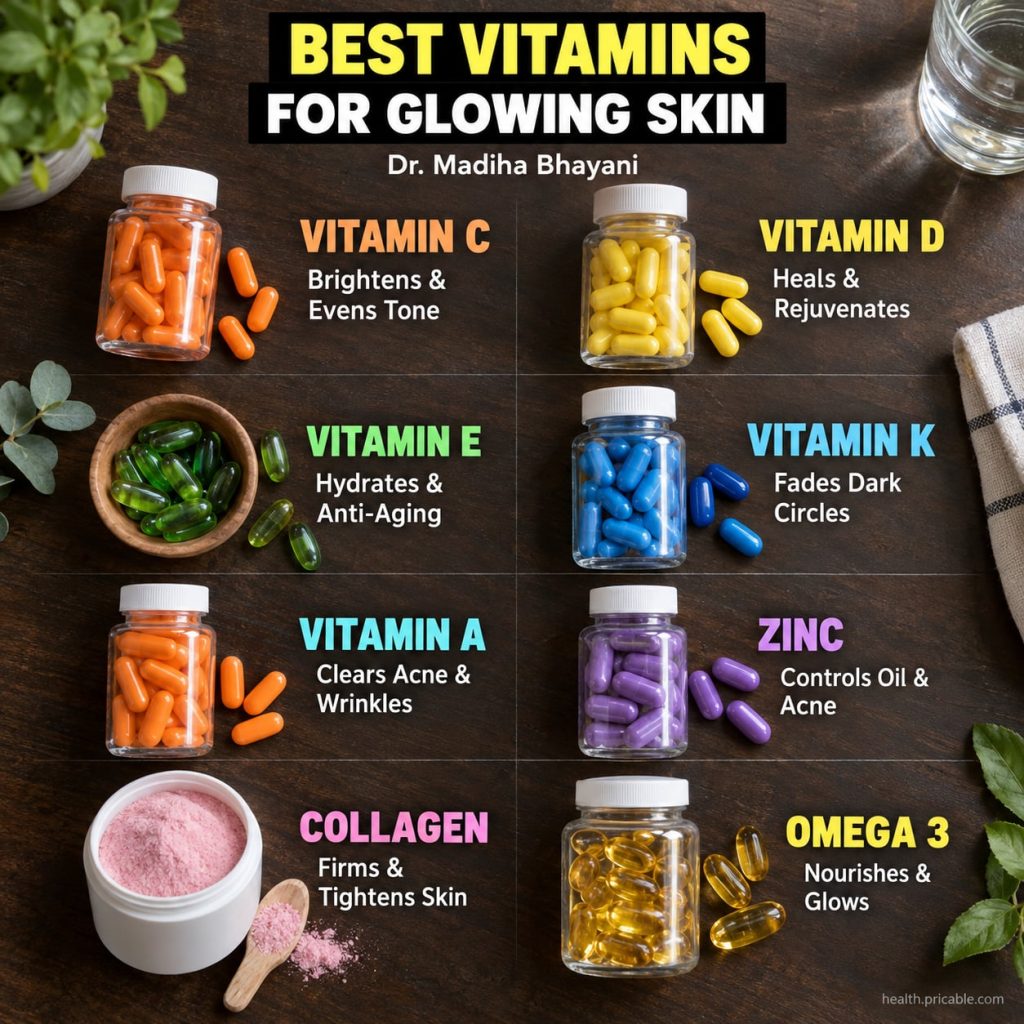
Quick Guide to Skin-Nourishing Vitamins
Here’s a snapshot of the vital nutrients Dr. Madiha Bhayani recommends for supporting a radiant complexion.
- Prep time: 5 minutes (for daily planning)
- Best for: Supporting radiant, healthy-looking skin from within
- Use type: Daily nutritional intake
Main Ingredients
- Vitamin C
- Vitamin D
- Vitamin E
- Vitamin K
- Vitamin A
- Zinc
- Collagen
- Omega 3
Ingredients: Essential Vitamins and Nutrients for Your Skin
Understanding what each of these powerhouse nutrients does for your skin can help you make informed choices about your diet and supplement routine.
Vitamin C
Known for its antioxidant properties, Vitamin C is crucial for supporting collagen production, which helps skin maintain its firmness and elasticity. It also aids in brightening the appearance of skin tone and protecting against environmental stressors.
Vitamin D
Often called the ‘sunshine vitamin,’ Vitamin D plays a role in skin cell growth and repair. It can help maintain healthy skin and may support an even-looking complexion.
Vitamin E
Another potent antioxidant, Vitamin E helps protect skin cells from damage and supports skin’s natural moisture barrier, leading to a smoother, more hydrated appearance.
Vitamin K
Vitamin K is often associated with helping to reduce the appearance of dark circles and supporting the skin’s healing process, contributing to a more even skin tone.
Vitamin A
Essential for healthy skin cell turnover, Vitamin A (and its derivatives like retinol) can help maintain a smooth skin texture and minimize the appearance of fine lines and wrinkles.
Zinc
This mineral is vital for skin healing and fighting inflammation. Zinc can help keep the skin clear and contribute to overall skin health.
Collagen
As the most abundant protein in the body, collagen provides structural support to the skin, helping it appear firm and supple. Supplementing with collagen may support skin elasticity and hydration.
Omega 3
These essential fatty acids help maintain the skin’s lipid barrier, locking in moisture and protecting against irritants. Omega 3s can contribute to a smoother, calmer, and more hydrated complexion.
How to Incorporate These Nutrients
Integrating these essential vitamins and nutrients into your daily routine involves a balanced approach between diet and, where necessary, high-quality supplements.
- Assess Your Current Diet: Start by evaluating your food intake. Are you regularly consuming fruits, vegetables, healthy fats, and proteins? Identify any gaps where you might be missing these key nutrients.
- Prioritize Whole Food Sources: Whenever possible, obtain your vitamins from whole foods. For example, citrus fruits for Vitamin C, fatty fish for Omega 3s, nuts and seeds for Vitamin E, and leafy greens for Vitamin K.
- Consider Quality Supplements: If dietary intake isn’t enough, discuss supplements with a healthcare professional. They can help you choose reputable brands and appropriate dosages for individual needs, especially for nutrients like Vitamin D, Collagen, and Omega 3s.

How to Use These for Daily Skin Support
Consistency is key when it comes to nutritional support for your skin. Think of this as a daily commitment to your internal health that reflects externally.
- Establish a Daily Routine: Aim for consistent intake of these nutrients. This could mean a daily smoothie packed with Vitamin C-rich fruits, incorporating fatty fish into meals a few times a week, or taking your recommended supplements at the same time each day.
- Follow Dosage Guidelines: If using supplements, strictly adhere to the recommended dosages. More is not always better and can sometimes be harmful.
- Monitor Your Skin’s Response: Pay attention to how your skin responds over several weeks or months. Changes in radiance, hydration, and overall texture can indicate that your nutritional efforts are making a difference.
How Often to Support Your Skin with These Nutrients
For best results, the integration of these essential vitamins and nutrients should be a consistent, daily practice. Nutritional benefits for the skin typically build over time, so regular intake is more effective than sporadic use.
Why These Ingredients Are Used
Each vitamin and nutrient on Dr. Bhayani’s list plays a unique and complementary role in promoting healthy, radiant skin. They work synergistically to support various skin functions, from protection and repair to hydration and firmness.
Vitamin C & Collagen
This duo is fundamental for skin structure. Vitamin C is a powerful antioxidant and a vital cofactor in collagen synthesis, meaning it helps your body produce its own collagen, which is essential for skin’s elasticity and firmness.
Vitamins A, E, K & Zinc
These nutrients collectively support skin repair, protection, and clarity. Vitamin A assists in cell turnover, Vitamin E provides antioxidant defense, Vitamin K helps with circulation for an even tone, and Zinc is critical for healing and reducing inflammation.
Vitamin D & Omega 3
Focusing on overall skin health, Vitamin D supports skin cell growth and immune function, while Omega 3 fatty acids are crucial for maintaining the skin’s protective barrier, keeping it hydrated and calm.

What Results to Expect
Consistent intake of these essential vitamins and nutrients, as recommended by Dr. Bhayani, may help your skin look smoother, feel more hydrated, and contribute to a brighter, more even-looking complexion over time. You may notice an improved appearance in skin radiance and overall health.
Safety Notes
- Always consult with a healthcare professional or registered dietitian before starting any new supplement regimen, especially if you are pregnant, nursing, have existing health conditions, or are taking medications.
- Adhere to recommended daily allowances for vitamins and minerals to avoid potential adverse effects from excessive intake.
- Pay attention to your body’s response. If you experience any adverse reactions, discontinue use and consult a healthcare provider.
- While these nutrients support skin health, they are part of a holistic approach that includes sun protection, proper skincare, and a healthy lifestyle.
FAQ
Can I get all these vitamins from my diet alone?
While it’s ideal to get nutrients from food, some, like Vitamin D (especially depending on sun exposure) or sufficient levels of Collagen and Omega 3s, may be challenging to obtain solely through diet. Supplements can help bridge these gaps, but always consult a professional.
How long does it take to see results on my skin?
Nutritional benefits for skin health typically take time to become visible, often several weeks to a few months. Consistency is more important than quick fixes, as skin cell turnover and collagen production are gradual processes.
Are there any specific food combinations that boost absorption?
Yes, some nutrients work better together. For example, Vitamin C enhances iron absorption, and fats can improve the absorption of fat-soluble vitamins like A, D, E, and K. A balanced diet generally supports optimal nutrient absorption.
Final Thoughts
Embracing a nutrient-rich approach to skincare, guided by insights like those from Dr. Madiha Bhayani, is a powerful way to support a beautiful, healthy complexion. By prioritizing these essential vitamins and nutrients in your daily routine, you can help your skin truly glow from within. We hope this guide helps you feel more confident about nourishing your skin. Share your favorite skin-supporting foods in the comments below!