Which Wiring Connection Is Truly Safer?
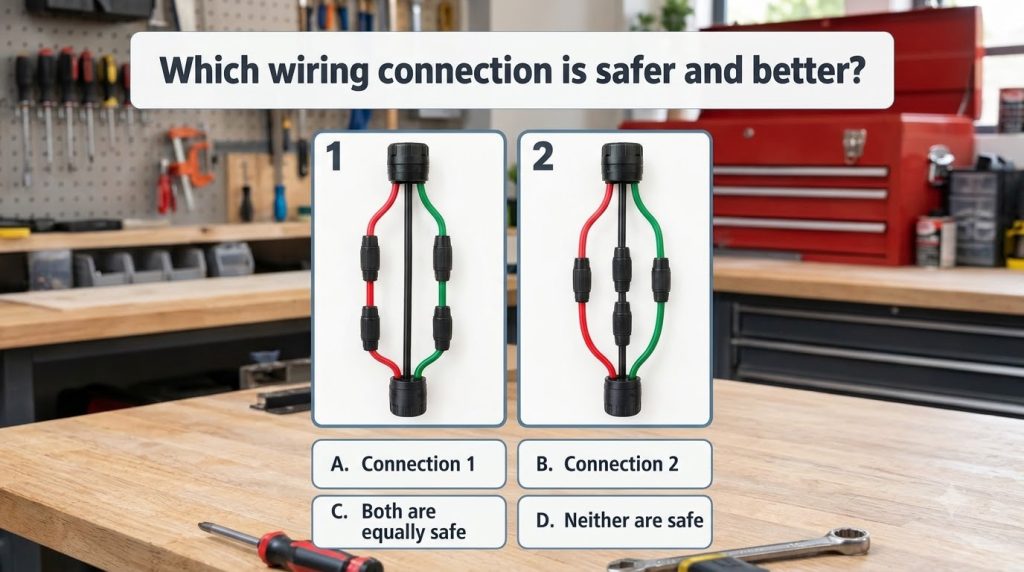
If you’re wondering which wiring connection is safer and better in this electrical quiz, the correct answer is Option 2! 🎉 This choice highlights a critical aspect of secure and lasting electrical work that many might overlook.
Why Option 2 Is the Right Answer
Option 2 demonstrates the superior method for connecting wires using a twist-on wire connector (often called a wire nut). Before placing the wire nut, the bare ends of the wires are twisted together. This twisting creates a strong mechanical connection between the conductors. The wire nut then serves to insulate this connection and provide additional tension, ensuring the twisted wires remain secure and make proper electrical contact.
Quick Facts About Proper Wiring
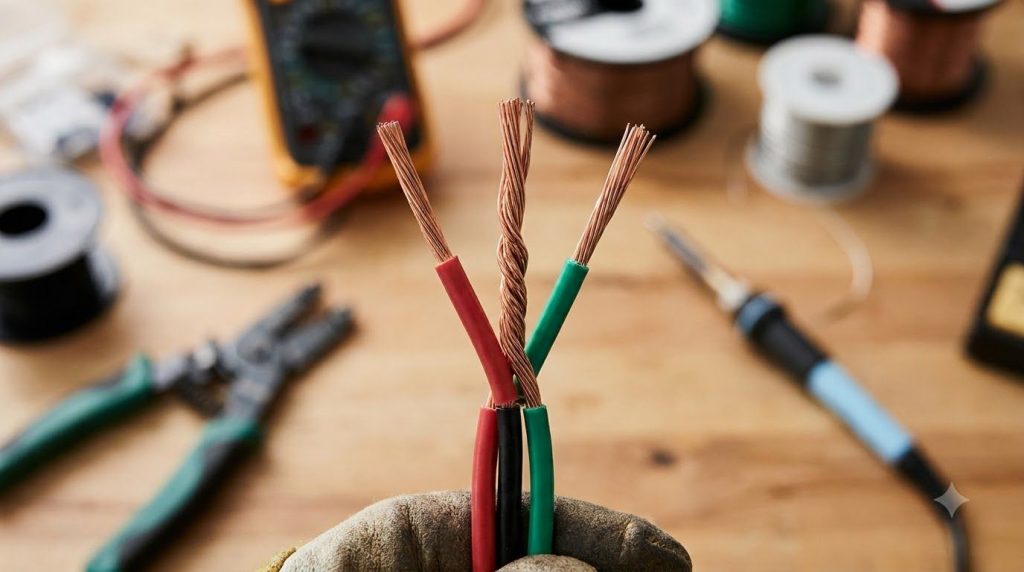
The Power of the Twist
Twisting the wires together before adding a connector is crucial. It ensures that even if the wire nut were to loosen slightly over time, the mechanical connection between the conductors would still hold, preventing loose connections that can lead to arcing, overheating, and potential fire hazards. This is a fundamental principle for reliable and safe electrical splices.
More Than Just Insulation
While wire nuts are excellent insulators, their primary function in a correctly made splice is to secure the already mechanically twisted wires and prevent accidental contact. Relying solely on the wire nut to hold untwisted wires together (as implied by Option 1) can lead to wires pulling out or making poor contact, increasing risk.
Grounding for Safety
Notice the green wire in both options. This is the ground wire, a critical safety feature in electrical circuits. It provides a safe path for electricity to flow in case of a fault, protecting people from electric shock and preventing damage to appliances.
Why This Quiz Was Tricky
Option 1 might appear neater at first glance, making it a plausible choice for those unfamiliar with best electrical practices. The wires are aligned straight into the connector, which could be mistaken for a tidy and effective connection. However, aesthetics don’t always equate to safety or functionality in electrical work. The hidden danger lies in the lack of a robust mechanical connection, making it less reliable and potentially hazardous compared to the twisted wires in Option 2.
More Context Behind the Answer
Proper electrical connections are essential for home safety. Loose or poorly made connections are a common cause of electrical fires. When wires aren’t securely connected, they can generate heat, especially under load, which can melt insulation and ignite surrounding materials. Always ensure that any electrical work is done according to local codes and best practices. If you’re ever unsure, it’s always best to consult with a qualified electrician.
Final Answer
The answer is Option 2.
Did you guess Option 2 correctly? 👀 What other electrical safety tips do you think are most important for homeowners?