Most people walk right past a treasure trove each autumn, missing out on nature’s hidden pantry. While the vibrant colors of fall leaves capture attention, the forest floor is silently bustling with a different kind of harvest: edible wild mushrooms. But before you grab a basket and head out, understanding what to look for—and more importantly, what to avoid—is key to a safe and rewarding foraging experience.
This guide unveils nine commonly found edible wild mushrooms perfect for your autumn adventures, typically appearing from October into November. We’ll focus on distinctive features for identification and crucial safety tips to ensure your foraging is both successful and secure.
What is Wild Mushroom Foraging?
Wild mushroom foraging is the practice of gathering fungi from their natural habitats. It’s a skill that combines botany, ecology, and keen observation. Beyond the thrill of the hunt, it connects you directly to the environment and provides fresh, often uniquely flavored ingredients for your kitchen. However, this isn’t a casual stroll; accurate identification is paramount, as many delicious edibles have toxic look-alikes.
The Nine Edible Wild Mushrooms for Autumn
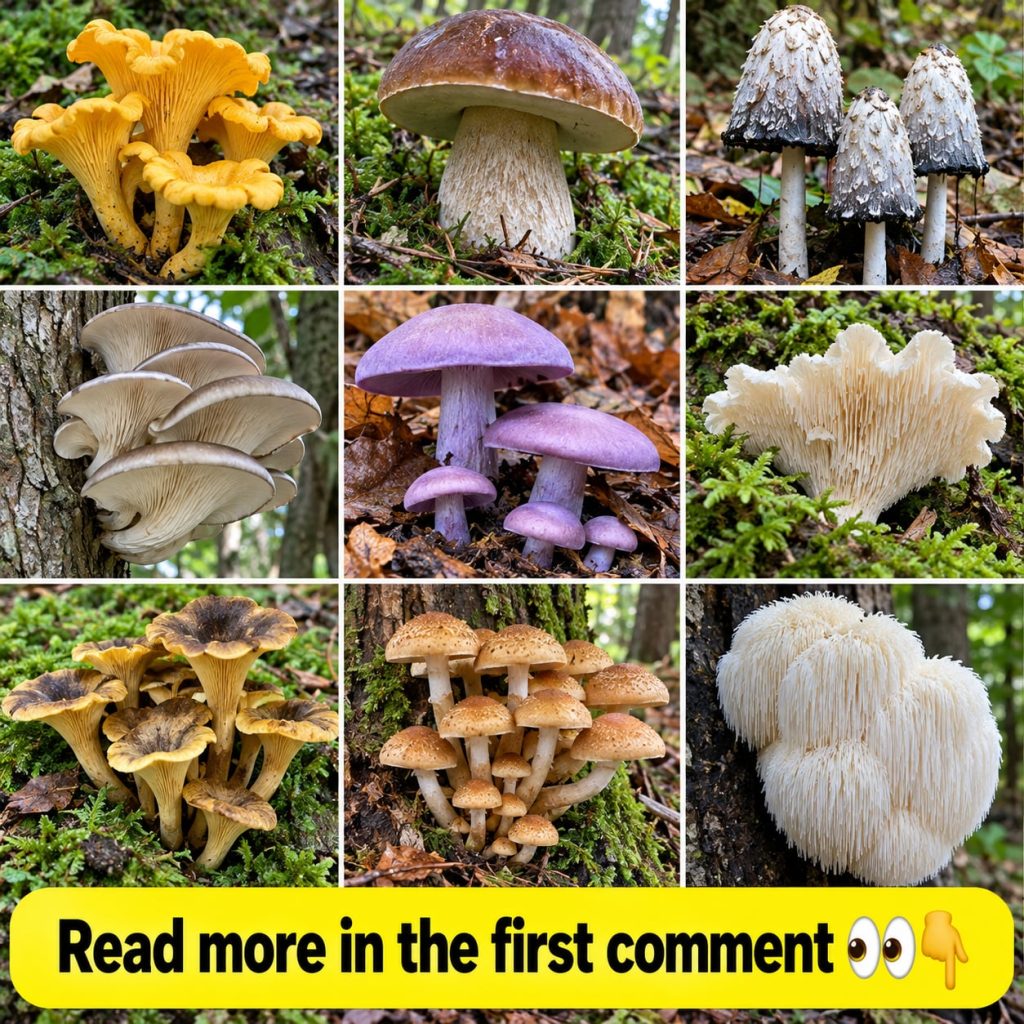
Here are nine distinctive edible mushrooms you might encounter during the late fall season, along with their key identification features:
- Oyster Mushrooms (Pleurotus ostreatus): Fan or oyster-shaped caps, white to gray, with gills running down a short, off-center stem. Often grow in shelf-like clusters on dead hardwoods.
- Lion’s Mane (Hericium erinaceus): A striking, shaggy white mushroom resembling a pom-pom or icicles. Grows on living or dead hardwoods, typically oak.
- Hen of the Woods / Maitake (Grifola frondosa): A large, frilly, gray-brown cluster of overlapping caps, often found at the base of oak trees.
- Giant Puffball (Calvatia gigantea): A very large, round, white mushroom, resembling a soccer ball. Must be pure white and solid inside, with no gill development.
- Hedgehog Mushrooms (Hydnum repandum): Cream to orange-brown cap with distinctive brittle, tooth-like spines (instead of gills) underneath. Grows on the ground in various forests.
- Yellowfoot Chanterelle (Craterellus tubaeformis): Small, funnel-shaped, yellowish-brown cap with wavy, blunt-edged false gills that are often paler. Hollow stem, grows in mossy areas.
- Shaggy Mane / Ink Cap (Coprinus comatus): Tall, white, cylindrical cap covered with shaggy scales. Gills turn black and ‘deliquesce’ (melt into inky liquid) with age. Grows in disturbed ground. Caution: Avoid alcohol consumption 2-3 days before/after eating due to potential interaction.
- Blewit (Clitocybe nuda / Lepista nuda): A distinctive purple-brown cap with lilac to purplish gills and stem. Often found in leaf litter in deciduous and coniferous woods.
- Wood Ear (Auricularia auricula-judae): Gelatinous, ear-shaped, reddish-brown mushroom found growing on dead wood, especially elder trees.
Quick Tip: Always forage with a good field guide specific to your region. Cross-reference at least three distinct features for positive identification.
Step-by-Step Foraging Method
Safe and responsible foraging involves more than just picking mushrooms. Here’s a basic method to follow:
- Research: Familiarize yourself with the mushrooms common in your area and their toxic look-alikes.
- Gear Up: Bring a breathable basket or mesh bag (to allow spores to drop), a small knife, a brush, a field guide, and a whistle/compass/GPS.
- Locate: Search in appropriate habitats (e.g., near specific trees for Maitake, dead logs for Oyster mushrooms).
- Identify: Before picking, examine the mushroom carefully: cap shape, color, surface texture, gill type (gills, pores, teeth), stem characteristics (ring, base), spore print (if necessary), and growth habit.
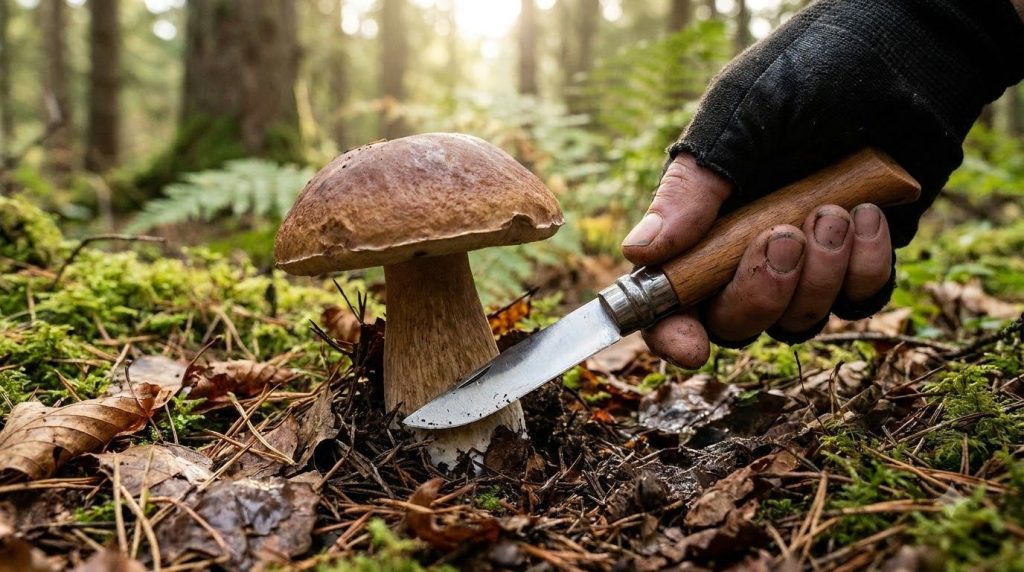
- Harvest: Use a sharp knife to cut the mushroom at the base of the stem, disturbing the mycelial network as little as possible. This encourages regrowth.
- Inspect: Give each mushroom a final check. Discard any that are old, worm-eaten, or show signs of mold. Keep different species separate in your basket to prevent cross-contamination or confusion.
How to Use Your Foraged Finds
Once you’ve safely identified and brought home your edible bounty, most wild mushrooms are best enjoyed cooked. They can be sautéed, roasted, added to soups, stews, risottos, or omelets. The unique flavors of wild mushrooms can elevate simple dishes into gourmet experiences.
How Often to Forage
The frequency depends on the season, local regulations, and the abundance of mushrooms. Foraging should always be sustainable. Only take what you need and leave plenty for wildlife and other foragers. Many species fruit multiple times in a season, so revisiting a productive spot a few weeks later can yield more.
How to Identify & Choose Your Foraged Ingredients
Beyond initial identification, choose mushrooms that are firm, fresh, and free from decay or excessive insect damage. Avoid very young or very old specimens, as identification can be harder in either case. Young mushrooms haven’t fully developed their distinguishing characteristics, and old ones might be past their prime or harbor harmful bacteria.
Here’s the part most people skip: Before cooking, always give your mushrooms a thorough final inspection. If you have even the slightest doubt about an identification, do not eat it. It’s better to be safe than sorry.
Storage
Proper storage maintains freshness and quality:
- Fresh: Store unwashed mushrooms in a paper bag in the refrigerator for up to 5-7 days. The paper bag allows them to breathe and prevents sliminess.
- Dried: Many mushrooms, like Chanterelles or Hen of the Woods, can be thinly sliced and dried in a dehydrator or oven. Store dried mushrooms in airtight containers in a cool, dark place for up to a year. Rehydrate before use.
- Cooked: Cooked mushrooms can be stored in an airtight container in the refrigerator for 3-4 days or frozen for several months.
Practical Foraging Tips
- Go with an Expert: When starting, join an experienced forager or a local mycological society.
- Check Regulations: Ensure foraging is allowed in your chosen area. Some parks or private lands restrict it.
- Clean in the Field: Use a brush to remove loose dirt and debris while still in the forest.
- Take Pictures: Snap photos from multiple angles if you need help identifying a mushroom later.
- Spore Prints: For some difficult identifications, a spore print (placing the cap on paper overnight to capture falling spores) can be crucial.
Common Mistakes in Mushroom Foraging
Ignoring these common pitfalls can lead to dangerous situations:
- Misidentification: The single most dangerous mistake. Relying on one feature, or a blurry photo, is not enough. Always verify all key features.
- Not Carrying a Field Guide: Assuming you’ll remember everything or can rely solely on apps is risky.
- Foraging near Roadsides or Polluted Areas: Mushrooms absorb toxins from their environment, including heavy metals and pollutants from vehicle exhaust.
- Over-Harvesting: Taking too many mushrooms from one area can deplete the resource for wildlife and future generations.
- Eating Raw Wild Mushrooms: Many wild mushrooms contain compounds that can cause gastric upset or are mildly toxic unless cooked.
Cautions / Who Should Avoid It
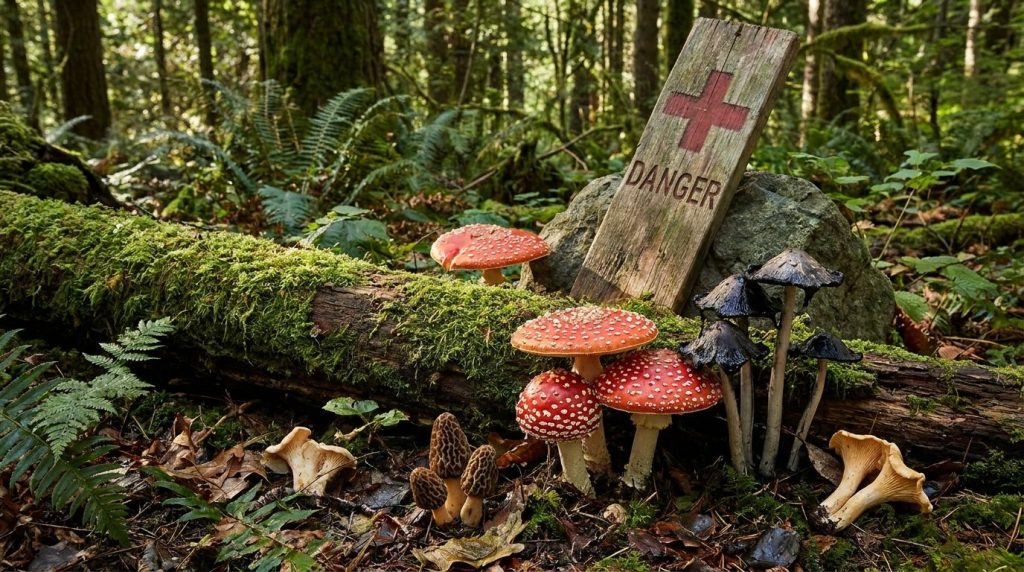
Mushroom foraging carries inherent risks due to the presence of highly toxic species. NEVER eat a mushroom unless you are 100% certain of its identification. When in doubt, throw it out. Some people may also have allergic reactions to certain edible mushrooms; always try a small amount first when trying a new species. Pregnant women, young children, and individuals with compromised immune systems should consult with a healthcare professional before consuming wild-foraged foods.
Fresh vs. Dried Wild Mushrooms
| Feature | Fresh Wild Mushrooms | Dried Wild Mushrooms |
|---|---|---|
| Flavor Intensity | Subtle, earthy, fresh taste | More concentrated, umami-rich flavor |
| Texture | Firm, meaty, sometimes delicate | Chewier, sometimes more fibrous after rehydration |
| Shelf Life | 5-7 days in refrigerator | Up to 1 year in airtight container |
| Preparation | Clean and cook directly | Rehydrate in warm water, then cook |
| Best Use | Sautéing, roasting, fresh dishes | Soups, stews, sauces, risottos where rich flavor is desired |
Quick Summary
Autumn offers a bountiful harvest of wild mushrooms for those who know where and how to look. Always prioritize accurate identification using multiple features and a reliable field guide. Handle mushrooms carefully, store them properly, and cook them thoroughly. When in doubt about a mushroom’s identity, err on the side of caution and discard it. Sustainable harvesting ensures these natural treasures remain for future generations to enjoy.
You may also like: Natural Remedies for Seasonal Wellness
FAQ
Can I use fresh or dried mushrooms interchangeably?
While often interchangeable in recipes, fresh and dried mushrooms offer different flavor intensities and textures. Dried mushrooms have a more concentrated, umami flavor.
How long do foraged mushrooms last?
Freshly foraged mushrooms typically last 5-7 days in a paper bag in the refrigerator. Dried mushrooms can last up to a year.
Can I refrigerate mushrooms?
Yes, storing fresh, unwashed mushrooms in a paper bag in the refrigerator is the best way to keep them fresh.
How often should I use foraged mushrooms?
Consume foraged mushrooms as you would any fresh ingredient, paying attention to quantity and variety in your diet. There’s no set frequency, but ensure they are thoroughly cooked.
What part of the mushroom is best for eating?
Typically, both the cap and stem of most edible wild mushrooms are consumed, though some stems can be tougher and may be discarded for texture.
Can I reuse the mushroom mycelium?
No, the mycelial network (the main body of the fungus) stays in the ground. When you cut the mushroom at the base, you leave the mycelium intact to produce more mushrooms.
When should I avoid foraging for mushrooms?
Avoid foraging during very dry spells (as mushrooms won’t be abundant), after heavy pesticide spraying, or in areas known for heavy pollution (e.g., roadsides, industrial zones).
Conclusion
Embracing the world of wild mushrooms can add an exciting dimension to your culinary adventures and connect you deeper with nature. With diligent research, careful identification, and a healthy respect for the forest’s offerings, you can safely enjoy the unique flavors that autumn brings. Remember, the journey is as rewarding as the harvest, and safety always comes first.
Read more: Sustainable Foraging Practices for Nature Lovers

