Imagine a garden where your plants thrive with less watering, richer soil, and an abundant harvest. It sounds like a dream, but it’s entirely possible with an ancient, sustainable gardening technique known as Hugelkultur. Often called ‘buried wood’ gardening, this method transforms woody debris into an invisible reservoir that nourishes your garden from below.
If you’ve ever struggled with dry soil, plants that seem to wilt despite your best efforts, or simply want to create a more resilient and self-sufficient garden, Hugelkultur might be the secret you’ve been looking for. Let’s dig into how this ingenious technique works and how you can implement it in your own backyard!
What Exactly Is Hugelkultur?
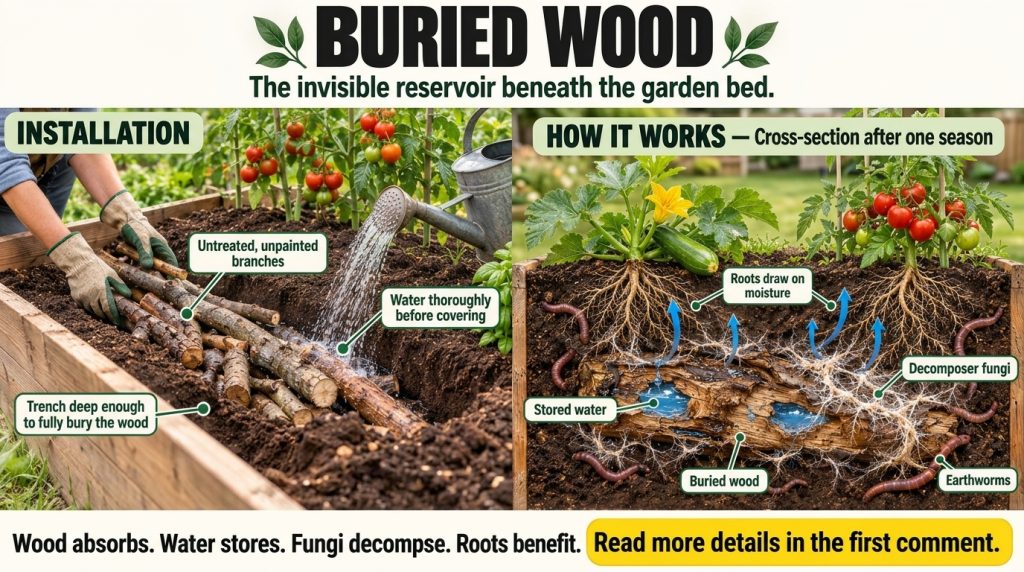
Hugelkultur is a German term that translates to ‘hill culture’ or ‘mound culture,’ though it’s typically applied to burying wood beneath your garden beds. At its core, it’s about building raised garden beds or simply burying untreated wood (logs, branches, twigs) directly into trenches, then covering them with soil and organic matter. This buried wood acts as a natural sponge, slowly decomposing and releasing nutrients over many years.
Why Embrace Hugelkultur in Your Garden?
The benefits of Hugelkultur are numerous, addressing common gardening pain points and promoting a healthier, more sustainable approach:
1. Excellent Water Retention
This is perhaps the most celebrated benefit. The buried wood acts like a giant sponge, absorbing rainwater and irrigation water. During dry spells, the wood slowly releases this stored moisture back into the surrounding soil, making it available to your plants’ roots. This means less frequent watering for you!
2. Improved Soil Fertility and Structure
As the wood slowly decomposes, it enriches the soil with a steady supply of nutrients. Fungi, bacteria, and earthworms thrive in this environment, breaking down the organic matter and creating a living, fertile ecosystem. This process also improves soil aeration and drainage, preventing compaction and waterlogging.
3. Extended Growing Seasons
The decomposition process generates a small amount of heat, which can slightly warm the soil. This can be particularly beneficial in cooler climates or during early spring and late autumn, potentially extending your growing season.
4. Reduced Need for Fertilizers
Over time, the decomposing wood provides a slow-release source of nutrients for your plants. While initial soil amendments are still good, the long-term fertility of a Hugelkultur bed often reduces the need for external fertilizers.
5. Resourceful and Sustainable
Hugelkultur is an excellent way to repurpose fallen branches, old logs, and other woody debris that might otherwise go to waste. It turns what some consider trash into a valuable asset for your garden, promoting a truly organic and eco-friendly approach.
How to Build Your Own Hugelkultur Bed
Creating a Hugelkultur bed is surprisingly straightforward. Here’s a step-by-step guide:
Step 1: Choose Your Location
Select an area in your garden that receives adequate sunlight for the plants you wish to grow. Consider the size and shape of your desired garden bed.
Step 2: Gather Your Wood
Collect untreated, unpainted branches, logs, and twigs. Hardwoods like oak, maple, and fruit trees decompose slower and last longer, while softer woods like willow and poplar break down more quickly, providing nutrients sooner. Avoid treated lumber or wood from diseased trees, as these can harm your garden.
Step 3: Dig a Trench (Optional, but Recommended)
While some Hugelkultur beds are built entirely above ground, digging a trench can help anchor the bed and provide even better moisture retention. Dig a trench deep enough to fully bury your larger pieces of wood, if possible.
Step 4: Layer the Wood
Place the largest logs and branches at the bottom of your trench or mound. Fill in gaps with smaller branches, twigs, and wood chips. This creates a solid base that will hold moisture and decompose over time.
Step 5: Water Thoroughly
Once your wood layers are in place, water them thoroughly. This helps to kickstart the decomposition process and ensures the wood is saturated from the beginning.
Step 6: Add Organic Material and Soil
Cover the wood with layers of organic material. You can use inverted sod, leaves, grass clippings, straw, or unfinished compost. Then, top it off with good quality garden soil, amended with finished compost if desired. Aim for at least 6-12 inches of soil on top for planting.
Understanding How It Works Beneath the Surface
The magic of Hugelkultur happens underground. Once covered, the buried wood becomes a hub of activity:
- Water Storage: The porous wood soaks up water like a sponge. As the soil dries out, the wood slowly releases this moisture, providing a consistent supply to plant roots.
- Decomposition: Fungi, bacteria, and other microorganisms begin to break down the wood. This process transforms the wood into rich humus, releasing essential nutrients that plants can absorb.
- Aeration: The irregular shape of the wood creates air pockets within the soil, improving drainage and ensuring roots get enough oxygen.
- Mycorrhizal Networks: The fungi that decompose the wood also form mycorrhizal associations with plant roots, extending the root system’s reach for water and nutrients.
Tips for a Thriving Hugelkultur Garden
- Start Small: If you’re new to Hugelkultur, begin with a smaller bed to get a feel for the process.
- Initial Settling: Your bed may settle over time as the wood decomposes. Be prepared to add more soil or compost in subsequent seasons.
- Planting: Initially, some fresh wood might temporarily ‘steal’ nitrogen from the soil for its decomposition process. Consider planting nitrogen-fixing plants or adding extra compost in the first year.
- Location: For optimal results, ensure your Hugelkultur bed receives adequate sunlight for the plants you intend to grow.
Hugelkultur offers a sustainable, low-maintenance, and incredibly effective way to grow a vibrant garden. By harnessing nature’s own decomposition process, you can create a healthier environment for your plants, conserve water, and enjoy a more bountiful harvest year after year. Give this ancient technique a try and witness the secret power beneath your garden bed!