There’s nothing quite as rewarding as watching your vegetable garden flourish, especially when you’re anticipating a bountiful harvest of fresh eggplants. But sometimes, a common problem arises: your beautiful eggplant flowers fall off before they even have a chance to turn into fruit. It’s a frustrating experience for any gardener, leaving you wondering what went wrong.
Don’t worry, you’re not alone! This issue is more common than you might think, and understanding the ‘why’ is the first step toward a successful harvest. Luckily, most of the reasons for flower drop are manageable with a few simple adjustments to your gardening routine. Let’p dive into the common culprits and how you can help your eggplant plants thrive.
Common Reasons Why Eggplant Flowers Drop
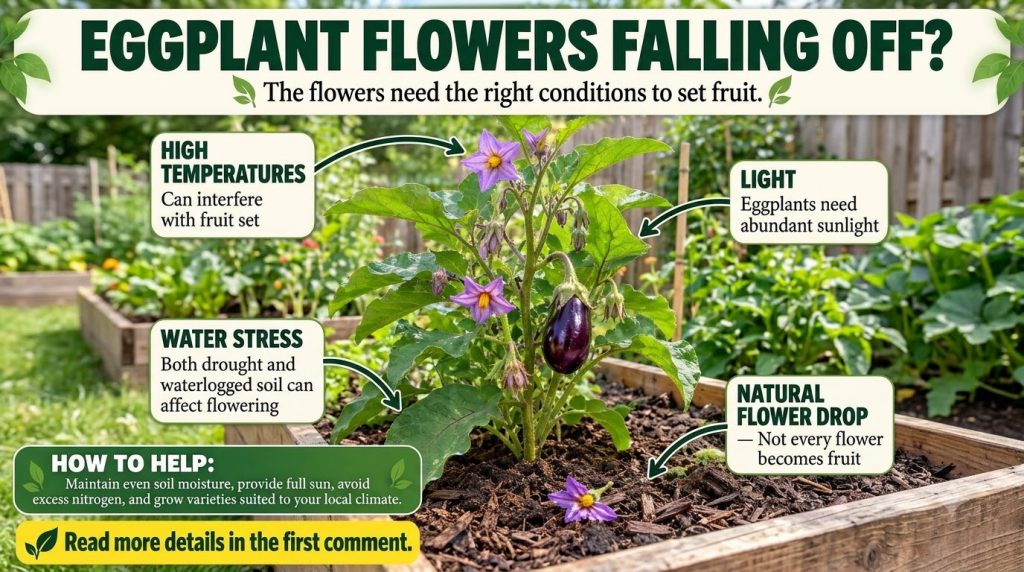
1. High Temperatures
Eggplants are warm-weather lovers, but even they have their limits. When temperatures consistently soar above 90°F (32°C) or nighttime temperatures remain very high, it can stress the plants significantly. Extreme heat can cause pollen to become unviable, or the plant simply aborts its flowers to conserve energy.
2. Water Stress: Too Much or Too Little
Consistent watering is crucial for eggplants. Both underwatering and overwatering can lead to flower drop. If the soil is too dry, the plant can’t properly support fruit development and will shed its flowers. Conversely, soggy soil can lead to root rot, hindering nutrient uptake and causing similar stress.
3. Insufficient Light
Eggplants are sun-worshippers, requiring at least 6-8 hours of direct sunlight per day to produce a good harvest. If your plants are growing in too much shade, they might produce flowers, but the lack of energy from sunlight can prevent them from setting fruit, causing them to drop.
4. Natural Flower Drop & Pollination Issues
Sometimes, flowers drop due for natural reasons. Not every flower will become a fruit, and plants often produce more flowers than they can support. Additionally, poor pollination can be a significant factor. Eggplants are self-pollinating, but they still benefit greatly from wind and insect activity (like bees) to help transfer pollen effectively. If pollinators are scarce or the air is too still, flowers might drop unpollinated.
5. Nutrient Imbalance
While less common, an imbalance of nutrients can also contribute to flower drop. Too much nitrogen, for instance, can encourage lush leafy growth at the expense of flowers and fruit. A lack of essential nutrients like phosphorus or potassium can also impair flower and fruit development.
How to Help Your Eggplants Thrive
Now that we know the potential problems, let’s look at practical solutions to ensure your eggplants yield a fantastic harvest:
- Provide Shade During Heatwaves: If you anticipate several days of extreme heat, consider using a shade cloth over your eggplant plants during the hottest part of the day. This can reduce stress and protect the delicate flowers.
- Consistent Watering: Aim for consistent moisture. Water deeply and regularly, especially during dry spells. Check the soil moisture about an inch or two down; if it feels dry, it’s time to water. Mulch around the base of the plants can also help retain soil moisture and regulate temperature.
- Ensure Adequate Sunlight: Make sure your eggplant patch receives the recommended 6-8 hours of direct sunlight. If your current spot is too shady, consider relocating or trimming nearby obstructions for better light exposure.
- Encourage Pollinators: Plant pollinator-friendly flowers nearby to attract bees and other beneficial insects. In very still weather, you can gently tap the eggplant stems or lightly shake the flowers in the morning to aid in pollination.
- Balanced Fertilization: Use a balanced fertilizer or one specifically formulated for fruiting vegetables, following the package instructions. Avoid excessive nitrogen, especially once the plants start flowering. Consider a soil test to understand your garden’s nutrient profile.
- Give Them Space: Ensure proper spacing between plants to allow for good air circulation and light penetration, reducing competition for resources.
Embrace Your Eggplant Journey
Gardening is all about learning and adapting. Observing your plants and understanding their needs is part of the joy. By addressing these common issues, you’ll be well on your way to enjoying delicious, homegrown eggplants from your garden. Keep nurturing your plants, and they will reward you with a generous bounty!