Are you a coffee lover? If so, you might be throwing away a hidden gem for your garden every single day! Those used coffee grounds, far from being trash, are actually a fantastic, sustainable resource that can enrich your soil and help many of your beloved plants thrive. At Garden – L. Quyên, we’re all about smart, simple gardening habits, and recycling coffee grounds is one of our favorites!
Before you toss those grounds into the bin, pause and consider the magic they can work in your backyard. This simple act can transform your garden into a more vibrant and healthy oasis, all while being kind to the environment. Let’s explore how this kitchen waste can become your garden’s secret weapon!
Why Are Coffee Grounds Good for Your Garden?
Used coffee grounds are more than just leftover caffeine; they’re packed with beneficial elements that can give your garden a healthy boost:
- Nutrient Rich: They contain a good amount of nitrogen, along with smaller but still beneficial quantities of potassium, phosphorus, calcium, magnesium, and other trace minerals. Nitrogen is especially important for leafy green growth.
- Organic Matter: As organic material, coffee grounds help improve soil structure, increasing aeration and water retention. This creates a better environment for roots to grow and beneficial soil microbes to flourish.
- pH Adjustment: While fresh coffee grounds are acidic, used grounds are much closer to neutral (around 6.5-6.8 pH). However, as they break down, they can contribute to a slightly more acidic soil environment, which is perfect for certain plants.
- Pest Deterrent: Some gardeners find that coffee grounds can help deter common garden pests like slugs and snails, possibly due to their abrasive texture or caffeine content.
Plants That Love a Coffee Boost
While not every plant will benefit equally, many garden favorites will welcome a sprinkle of coffee grounds. Here are some categories and examples:
Acid-Loving Plants
These are the superstars that truly thrive with a bit of extra acidity as coffee grounds decompose:
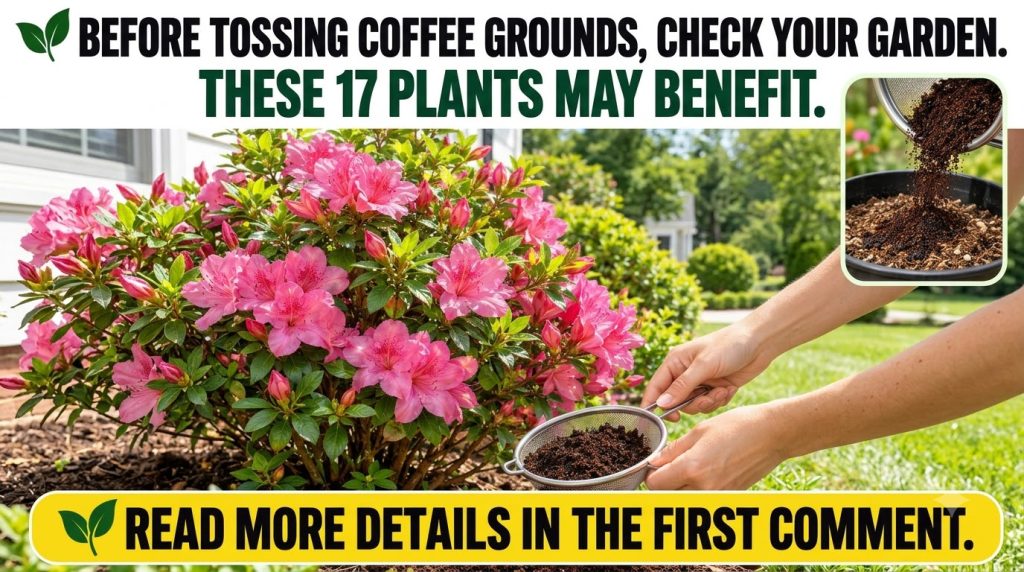
- Azaleas & Rhododendrons: Just like the beautiful pink azalea in our featured image, these vibrant shrubs absolutely adore acidic soil.
- Blueberries: For a bountiful harvest, blueberries need a lower pH, making coffee grounds a perfect addition.
- Hydrangeas: If you’re looking to encourage those stunning blue blooms, coffee grounds can help lower soil pH.
- Roses: Many rose varieties appreciate slightly acidic conditions, leading to healthier growth and more prolific flowering.
- Evergreens: Certain conifers and other evergreens prefer acidic soil.
Vegetables and Herbs
Some vegetables and herbs can also get a lift:
- Carrots & Radishes: Mixing grounds into the soil before planting can improve drainage and texture, benefiting root vegetables.
- Leafy Greens: Plants like lettuce, spinach, and kale can benefit from the nitrogen boost.
- Tomatoes & Peppers: These common garden staples also appreciate a slightly acidic environment.
Remember, the key is moderation and observation. Every garden is unique!
How to Use Coffee Grounds in Your Garden
Incorporating coffee grounds into your gardening routine is easy and versatile:
- Direct Application: Sprinkle a thin layer of used coffee grounds around the base of acid-loving plants. Avoid piling them too thick, as they can sometimes compact or mold. Work them lightly into the topsoil.
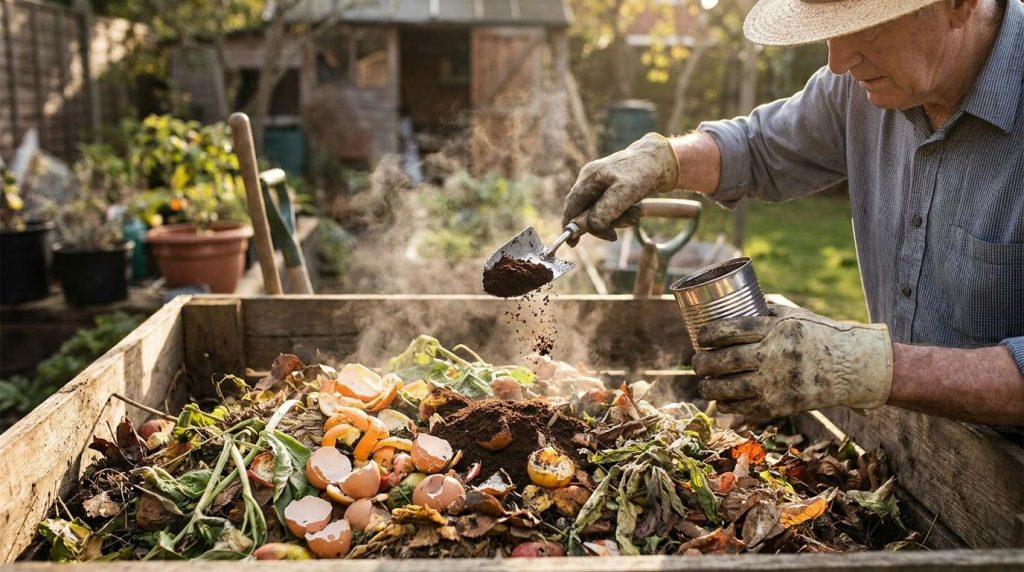
- Compost Booster: Add coffee grounds directly to your compost pile. They are considered a ‘green’ material, adding nitrogen and helping to heat up the pile, speeding up decomposition.
- Liquid Fertilizer: For a gentle nutrient boost, soak about a cup of used coffee grounds in a gallon of water overnight. Strain the mixture and use it to water your plants.
- Seed Starting Mix: Mix a small amount of coffee grounds into your seed starting mix. This can help enrich the soil and improve drainage.
Important Considerations for Best Results
- Use Used Grounds: Always use *used* coffee grounds. Fresh grounds are too acidic and contain compounds that can inhibit plant growth.
- Moderation is Key: Don’t overdo it! A thin layer is sufficient. Too much can lead to soil compaction or an imbalance of nutrients.
- Mix Them In: For best results, lightly mix the grounds into the top inch or two of soil rather than just leaving them on the surface. This helps prevent molding and ensures nutrients reach the roots.
- Observe Your Plants: Pay attention to how your plants react. If you notice any signs of distress, reduce the amount or discontinue use.
Turning your daily coffee habit into a sustainable gardening practice is a wonderful way to give back to your plants and the planet. It’s a simple, free, and effective method to enrich your garden soil and help certain plants flourish. So, next time you finish your brew, remember your garden might just be waiting for its secret weapon!
Have you tried using coffee grounds in your garden? Share your tips and experiences with us in the comments below!