Spot the Differences: Annuals, Perennials, and Biennials for Your Garden
Gardening can sometimes feel like a puzzle, especially when it comes to understanding the lifecycle of different plants. Have you ever wondered why some plants bloom gloriously for just one season, while others return year after year? The secret lies in knowing the distinctions between annuals, perennials, and biennials. Just like identifying different animals by their unique characteristics, understanding these plant types is key to designing a beautiful and thriving garden.
At Garden – L. Quyên, we believe that empowering you with knowledge makes gardening even more rewarding. Let’s dive into the fascinating world of plant lifecycles and discover how annuals, perennials, and biennials can create a dynamic and vibrant landscape!
What Are Annuals? The One-Season Wonders
Annuals are the sprinters of the plant world. They complete their entire life cycle – from seed to flower to seed – all within a single growing season. After they’ve bloomed and set seed, they die, leaving behind seeds for the next generation. This means you’ll need to replant them every year, but their vibrant, continuous blooms often make them worth the effort!
Characteristics of Annuals:
- Lifespan: One growing season.
- Bloom Time: Typically bloom profusely from spring until the first hard frost.
- Energy Focus: They put all their energy into producing flowers and seeds, leading to a spectacular display.
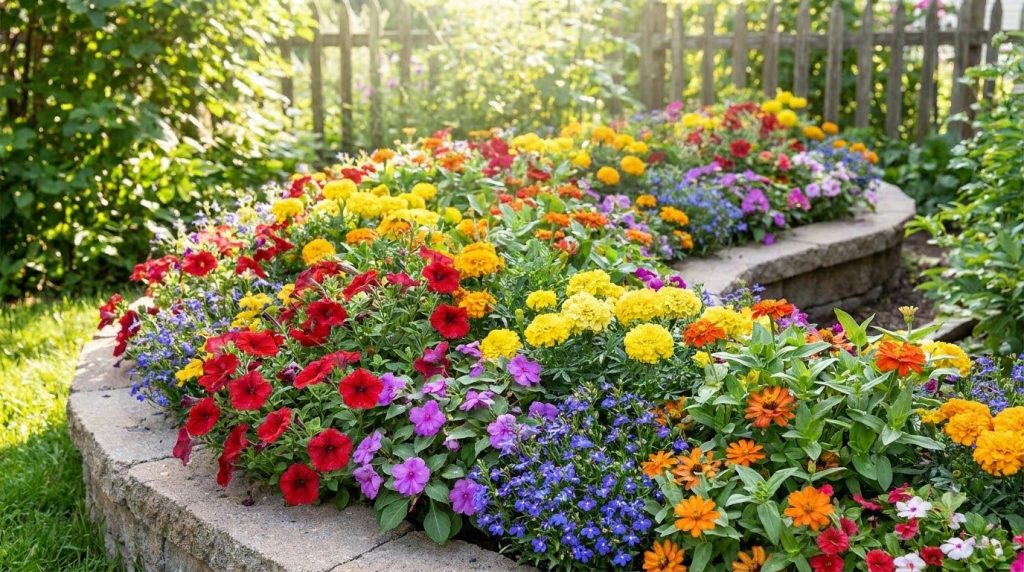
- Examples: Petunias, Marigolds, Impatiens, Zinnias, Snapdragons, Cosmos, and many popular vegetables like Tomatoes and Peppers.
Why Choose Annuals?
Annuals are perfect for adding instant color, filling gaps, and experimenting with new garden designs each year. They’re excellent for containers, hanging baskets, and mass plantings where you want a big visual impact. Plus, many popular cut flowers are annuals, allowing you to enjoy fresh bouquets all summer long!
What Are Perennials? The Returning Favorites
Perennials are the long-distance runners of the garden. These plants live for more than two years, often returning year after year from their rootstock, even if their top growth dies back in winter. They provide a foundational structure to your garden and, once established, generally require less ongoing effort than annuals.
Characteristics of Perennials:
- Lifespan: More than two years, sometimes many decades.
- Bloom Time: Typically bloom for a shorter period (a few weeks to a couple of months) within the growing season.
- Energy Focus: They invest energy into developing strong root systems, allowing them to regrow each year.
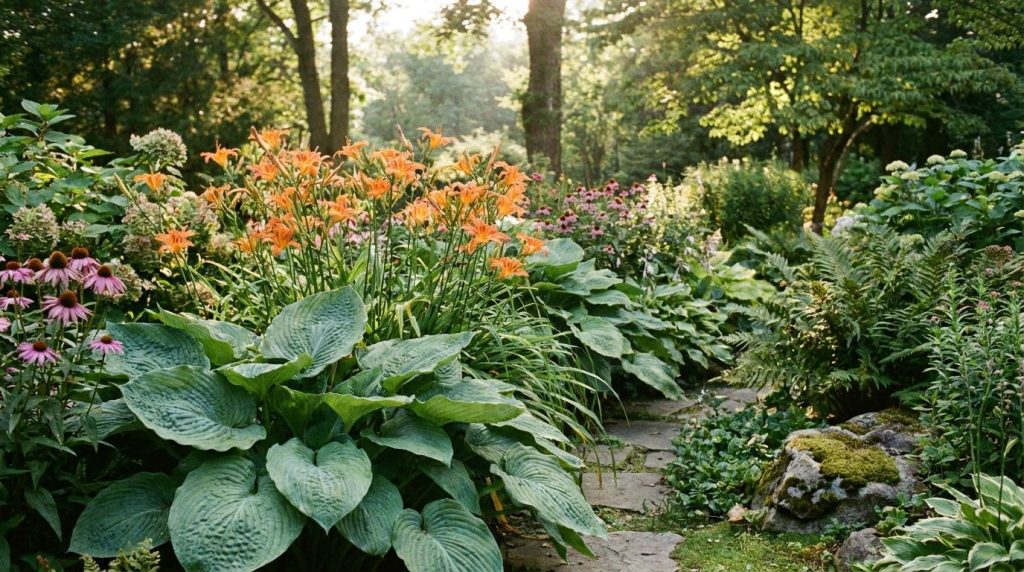
- Examples: Hostas, Daylilies, Peonies, Coneflowers, Lavender, Irises, Roses, and many herbs like Mint and Oregano.
Why Choose Perennials?
Perennials are ideal for creating a permanent landscape structure and reducing the need for yearly replanting. They establish themselves over time, often becoming more robust and beautiful with each passing year. They also tend to be more resilient to local conditions once mature.
What Are Biennials? The Two-Year Story
Biennials are a fascinating middle ground between annuals and perennials, completing their life cycle over two growing seasons. They don’t bloom in their first year but instead focus on growing foliage and establishing a strong root system. In their second year, they produce flowers and seeds, and then they die.
Characteristics of Biennials:
- Lifespan: Two growing seasons.
- Year 1: Develops leaves and roots (vegetative growth).
- Year 2: Flowers, produces seeds, and then dies.
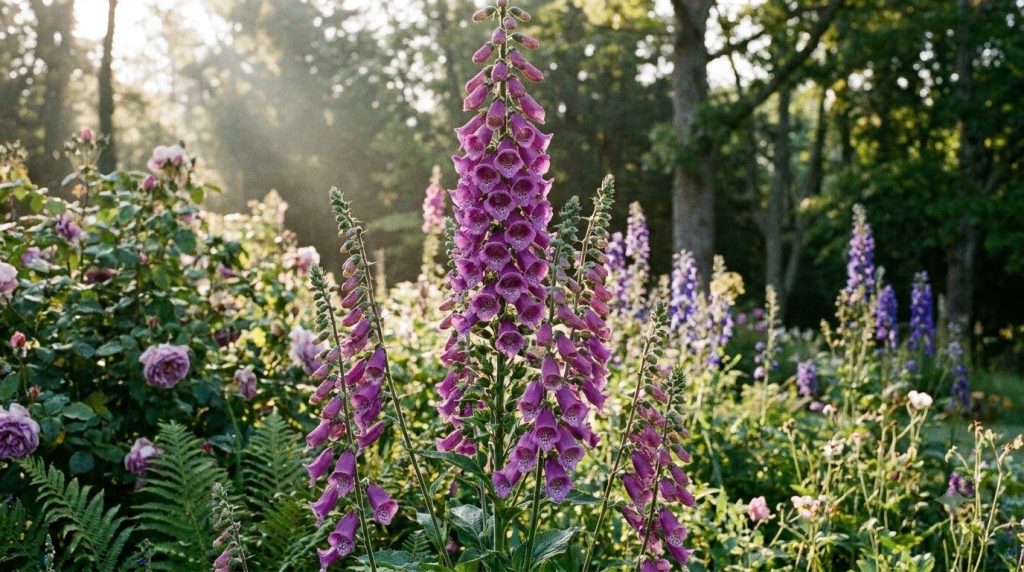
- Examples: Foxglove, Hollyhocks, Sweet William, Canterbury Bells, Carrots, and Parsley.
Why Choose Biennials?
Biennials offer a unique gardening experience. While you wait a year for their blooms, the anticipation is often rewarded with spectacular flowers that can reseed themselves, creating a continuous display over time. Many biennials are tall and dramatic, adding vertical interest to your garden.
Bringing It All Together: Designing Your Garden
Understanding these distinctions allows you to create a dynamic and resilient garden. Here’s how you can combine them:
- For Continuous Color: Use annuals in strategic spots – containers, borders, and beds – to provide season-long bursts of color while perennials are establishing or between their bloom cycles.
- For Garden Structure: Rely on perennials to provide the foundational framework of your garden. Choose a variety with different bloom times to ensure there’s always something interesting happening.
- For Anticipation & Drama: Incorporate biennials for their unique two-year cycle and often impressive blooms. Many biennials will reseed themselves, providing new plants for future years.
- Layering: Think in layers. Taller perennials and biennials at the back, medium-height perennials in the middle, and annuals or shorter perennials at the front.
By thoughtfully mixing annuals, perennials, and biennials, you can achieve a garden that offers constant visual interest, evolving beauty, and reduced maintenance over time. Experiment with different combinations to find what works best for your space and your gardening style.
We hope this guide helps you spot the differences and empowers you to make informed choices for your garden. Happy planting, and may your garden be filled with beauty throughout the seasons!