Unlock Your Thigh Potential: Building Strong, Defined Thighs
Many of us aspire to have strong, well-defined thighs, not just for aesthetics but for overall strength, mobility, and athletic performance. The journey to achieving this goal isn’t about quick fixes or unrealistic expectations; it’s about dedication, smart training, and a holistic approach to wellness. At Wellness Daily, we believe in celebrating the hard work that goes into building impactful results, and understanding what’s truly achievable.
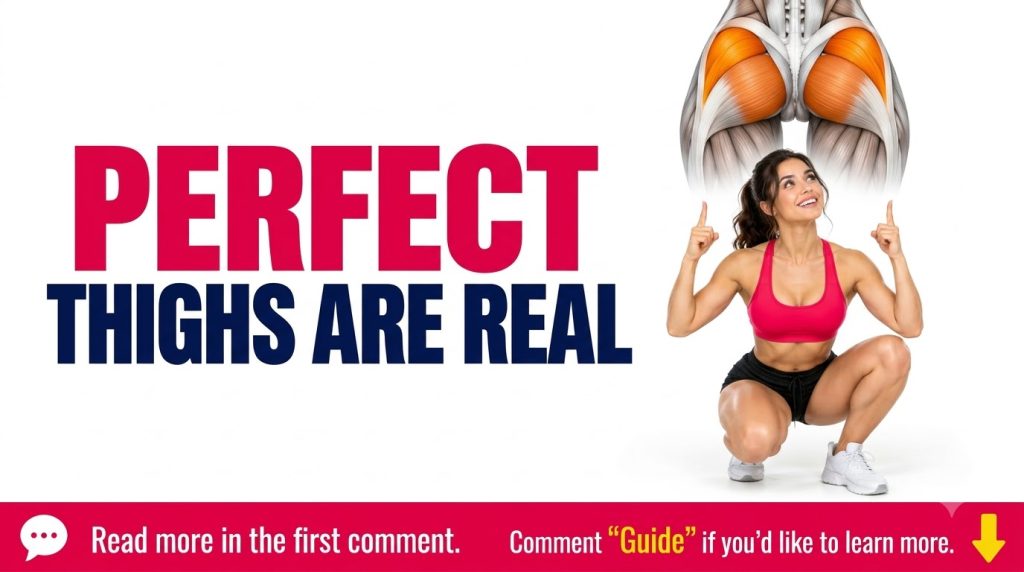
Beyond Aesthetics: The Power of Strong Thighs
While the visual appeal of strong thighs is undeniable, their functional importance is paramount. Your thigh muscles – including your quadriceps, hamstrings, and the various gluteal and adductor muscles – are crucial for nearly every movement you make. They support your body, enable walking, running, jumping, and help maintain balance. Developing strong thighs can significantly improve your:
- Mobility and Stability: Stronger muscles around your hips and knees can improve your range of motion and help stabilize your joints.
- Athletic Performance: Whether you’re a runner, cyclist, or enjoy team sports, powerful thighs are essential for speed, endurance, and agility.
- Injury Prevention: Well-conditioned thigh muscles can help protect your knees and hips from injury by providing better support and shock absorption.
- Metabolic Health: Muscle tissue is metabolically active, meaning it burns more calories even at rest, contributing to overall metabolic health.
Understanding Your Thigh Muscles
To effectively train your thighs, it helps to understand the main muscle groups involved:
-
Quadriceps (Quads)
Located at the front of your thigh, these four muscles are primarily responsible for extending your knee and flexing your hip.
-
Hamstrings
Found at the back of your thigh, the hamstrings are crucial for flexing your knee and extending your hip.
-
Gluteal Muscles
While often associated with the buttocks, the gluteus maximus, medius, and minimus play a vital role in hip extension, abduction, and rotation, significantly influencing thigh strength and shape. The gluteus medius and minimus, in particular, are key hip abductors, working to move your leg away from your body’s midline.
-
Adductors
These muscles are on the inner thigh and are responsible for bringing your legs together.
Dispelling the Myths: What Truly Works
The fitness world is full of misconceptions. Let’s address a few common myths:
- Myth: Spot Reduction is Possible.
You cannot choose to lose fat from a specific body part. While exercises strengthen muscles, overall fat loss comes from a caloric deficit through diet and full-body activity.
- Myth: Endless Reps Are Best.
While high reps can build endurance, significant muscle growth (hypertrophy) often requires challenging weights with fewer repetitions, focusing on progressive overload.
- Myth: Cardio Alone Will Define Thighs.
Cardio is great for cardiovascular health and fat loss, but resistance training is essential for building muscle definition and strength in your thighs.
The Role of Consistent Training
Building strong, well-defined thighs is a marathon, not a sprint. Consistency is key. Regular resistance training, coupled with proper form, will yield the best results over time.
Smart Exercise Choices for Thighs
Focus on compound movements that work multiple muscle groups simultaneously, as well as isolated exercises to target specific areas. Here are some effective exercises:
- Squats (Barbell, Dumbbell, Goblet): A king of lower body exercises, working quads, hamstrings, and glutes.
- Lunges (Walking, Static, Reverse): Excellent for working each leg independently, improving balance and targeting quads and glutes.
- Deadlifts (Conventional, Romanian): Powerful for hamstrings, glutes, and overall posterior chain strength.
- Leg Press: A machine-based exercise that effectively targets the quads and glutes.
- Hip Abductions/Adductions: Essential for targeting the outer and inner thigh muscles, including the gluteus medius and minimus, which are crucial for hip stability and shape.
- Step-Ups: Great for unilateral strength and targeting quads and glutes.
Remember to gradually increase the weight or resistance (progressive overload) as you get stronger to keep challenging your muscles.
Fueling Your Thigh Potential: Nutrition for Growth
Exercise is only half the equation. What you eat plays a crucial role in muscle growth and recovery. Prioritize a balanced diet rich in:
- Protein: Essential for muscle repair and growth. Include lean meats, poultry, fish, eggs, dairy, legumes, and plant-based protein sources.
- Complex Carbohydrates: Provide energy for your workouts and help replenish glycogen stores. Think whole grains, fruits, and vegetables.
- Healthy Fats: Important for hormone production and overall health. Avocados, nuts, seeds, and olive oil are great choices.
- Hydration: Drink plenty of water throughout the day to support bodily functions, performance, and recovery.
For more specific nutritional guidance, you may want to check out our article on Nutrition Tips for Muscle Growth.
Rest and Recovery: The Unsung Heroes
Muscles don’t grow during your workout; they grow during rest. Adequate sleep (7-9 hours per night) and rest days are critical for muscle repair and preventing overtraining. Incorporate stretching and foam rolling to improve flexibility and aid recovery.
Embrace the Journey
Building strong, defined thighs is a rewarding journey that reflects dedication and smart choices. By combining consistent, effective training with proper nutrition and adequate rest, you can unlock your full thigh potential and enjoy the benefits of a stronger, more capable body. Celebrate every step of your progress, and remember that true wellness is a holistic pursuit!
Disclaimer: The information provided in this article is for educational purposes only and is not intended as a substitute for professional medical advice, diagnosis, or treatment. Always consult with a qualified healthcare professional before making any changes to your diet, exercise, or health regimen.