Do you ever feel a lingering heaviness, a subtle discomfort in your digestion, or wish for a natural way to support your body’s daily rhythm? Many people seek gentle yet effective solutions to feel their best, often overlooking the simple treasures that might be growing right in their own garden or local environment.
The vibrant Candlebush plant, scientifically known as Senna alata, is one such often-overlooked botanical wonder. While commonly recognized for its striking yellow ‘candle-like’ flowers and robust foliage, its traditional uses span across centuries and cultures, hinting at a surprising array of benefits for your well-being. Most people never realize this plant holds such a resourceful secret because its beauty often overshadows its practical applications.
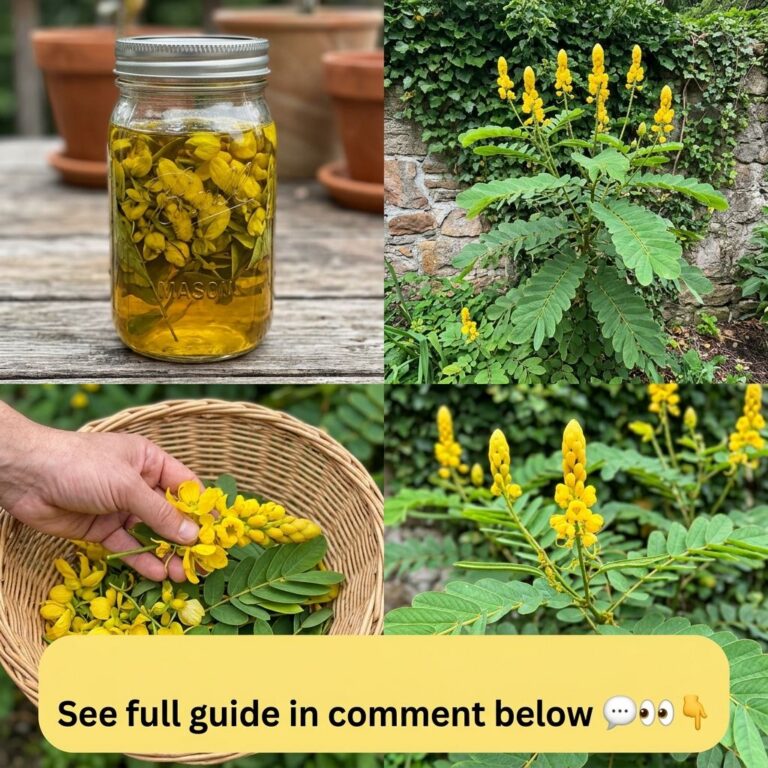
Ingredients
- 1-2 handfuls of fresh Candlebush (Senna alata) leaves and flowers
- 2 cups of filtered water
How to Prepare
- Gently rinse the Candlebush leaves and flowers under cool running water to remove any dust or debris.
- In a small saucepan, bring the 2 cups of filtered water to a boil.
- Once boiling, reduce the heat to a simmer and add the rinsed Candlebush leaves and flowers.
- Allow the mixture to gently simmer for 10-15 minutes. This brewing time ensures the beneficial compounds are adequately extracted.
- Remove from heat and let it steep for another 5 minutes, allowing it to cool slightly.
- Strain the liquid into a cup, discarding the plant material.
How to Use + Best Time to Take
This Candlebush infusion is best enjoyed warm. For general wellness support, a single cup can be consumed. Many find it most beneficial to take this infusion in the evening, approximately 1-2 hours before bed, as some of its traditional uses relate to supporting digestive regularity. Alternatively, it can be taken in the morning on an empty stomach to kickstart your day with its natural benefits.
Why It Works (Science Insight)
The traditional efficacy of Candlebush is increasingly supported by modern understanding of its rich phytochemical profile. Senna alata contains compounds such as anthraquinones (like rhein), flavonoids, and tannins. Anthraquinones are known for their gentle influence on the digestive system, helping to encourage healthy bowel movements by interacting with the gut’s natural processes. This can contribute to a feeling of lightness and regularity.
Furthermore, the plant possesses a notable antioxidant capacity, attributed to its phenolic compounds and flavonoids. Antioxidants play a crucial role in protecting the body’s cells from oxidative stress, which can contribute to overall well-being and cellular health. Its historical application also points to properties that may help soothe skin irritations and support a balanced inflammatory response, contributing to its reputation as a versatile botanical ally.
Who Benefits Most
- Individuals seeking natural support for occasional digestive sluggishness.
- Those looking to incorporate traditional herbal remedies into their wellness routine.
- People interested in exploring botanicals with potential antioxidant properties.
- Anyone curious about natural ways to support skin health from within.
Quick Notes / Safety / Simple Adjustments
While Candlebush offers many intriguing benefits, moderation and awareness are key. It is not recommended for long-term daily use without professional guidance. Pregnant or nursing individuals, as well as those with existing medical conditions or on medication, should always consult a healthcare professional before incorporating new herbal remedies. For a milder infusion, reduce the amount of plant material or the simmering time. If you experience any discomfort, discontinue use. Always listen to your body and introduce new remedies gradually.