Tired of yellow teeth? You don’t need a complicated routine to bring out a brighter-looking smile. Many simple, natural methods can help reduce surface stains and enhance your teeth’s appearance. Let’s explore some accessible DIY tips to help you regain that dazzling confidence.
Quick Recipe for a Brighter Smile
Prep time: 2 minutes
Best for: Reducing surface stains and supporting a brighter tooth appearance.
Use type: Paste/Oral Rinse
Main ingredients:
- Baking Soda
- Water
- Coconut Oil (optional, for oil pulling)
Ingredients
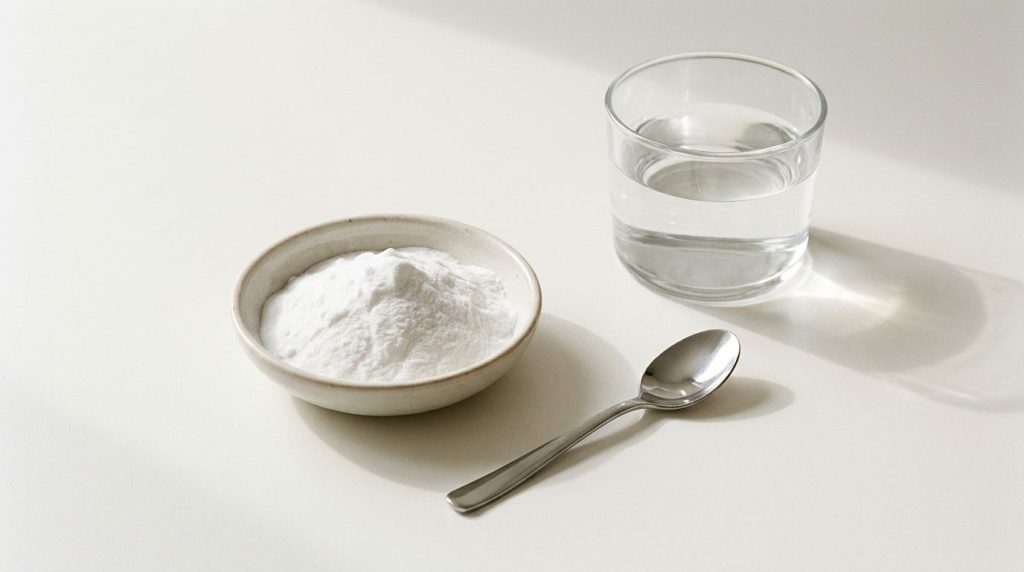
- 1 teaspoon baking soda
- 1/2 teaspoon water
- 1 tablespoon virgin coconut oil (for oil pulling, optional)
How to Make It
- For the Baking Soda Paste: In a small bowl, combine 1 teaspoon of baking soda with 1/2 teaspoon of water.
- Stir well until a smooth, thick paste forms. Adjust water slightly if needed to reach a toothpaste-like consistency.
How to Use It
Here are two simple ways to incorporate natural brightening into your routine:
- Baking Soda Paste Application:
- Brush your teeth gently with your regular toothpaste first.
- Dip your clean toothbrush into the baking soda paste.
- Gently brush your teeth with the paste for about 1-2 minutes, focusing on areas with surface stains. Be very gentle to avoid abrasive damage.
- Rinse your mouth thoroughly with water.
- Coconut Oil Pulling (Optional):
- In the morning, before brushing your teeth or eating, take 1 tablespoon of virgin coconut oil.
- Swish the oil around in your mouth for 10-15 minutes. Do not swallow it.
- Spit the oil into a trash can (not the sink, as it can clog pipes).
- Rinse your mouth well with water and then brush your teeth as usual.
How Often to Use It
For the baking soda paste, use it once or twice a week at most. Overuse can be abrasive to enamel. For coconut oil pulling, you can do it daily if desired, but listen to your body and oral hygiene needs. Consistency over time yields the best appearance.
Why These Ingredients Are Used
Baking Soda
Baking soda, or sodium bicarbonate, is a mild abrasive that can help gently scrub away surface stains on your teeth. It also has natural whitening properties and can help neutralize acids in the mouth, which may contribute to a fresher feel.
Water
Water is used to create a paste consistency with the baking soda, making it easy to apply to your teeth. It also helps to rinse away the paste after use.
Coconut Oil
Coconut oil is a popular ingredient for oil pulling, an ancient practice believed to draw out toxins and bacteria from the mouth. While it doesn’t chemically whiten teeth, many users report a visibly brighter and cleaner feel, which may improve the appearance of stains over time.
What Results to Expect
With consistent and gentle use, you may notice a reduction in surface stains, leading to a visibly brighter and fresher-looking smile. These methods aim to improve the appearance of your teeth by tackling external discoloration. Individual results can vary based on your diet, dental hygiene, and the nature of your tooth discoloration.

Safety Notes
- Consult Your Dentist: Before trying any new home remedy for teeth whitening, it’s always best to consult your dentist, especially if you have sensitive teeth, gum issues, or dental work.
- Gentle Use: Baking soda is abrasive. Use the paste very gently and for short durations to avoid damaging tooth enamel or irritating gums. Do not scrub harshly.
- Avoid Overuse: Limit baking soda paste application to once or twice a week at most.
- Do Not Swallow: Always spit out the baking soda paste and coconut oil after use.
- Sensitivity: If you experience any increased tooth sensitivity, gum irritation, or discomfort, stop using the remedy immediately.
- Lemon Juice Caution: While some DIY recipes include lemon juice for whitening, its acidity can erode tooth enamel over time. We recommend sticking to baking soda and water for a safer approach.
FAQ
Can these methods whiten teeth instantly?
No, natural DIY methods typically offer gradual improvements in reducing surface stains, leading to a brighter appearance over time, rather than instant whitening.
Is baking soda safe for tooth enamel?
When used gently and in moderation (once or twice a week), baking soda is generally considered safe for removing surface stains. However, overuse or harsh scrubbing can be abrasive to enamel, so always proceed with caution.
Can these remedies whiten crowns or veneers?
Natural remedies are generally effective on natural tooth enamel. They typically do not change the color of dental restorations like crowns, veneers, or fillings.
Final Thoughts
Achieving a brighter-looking smile at home is possible with simple, natural remedies like baking soda paste and coconut oil pulling. Remember that consistency, combined with gentle application and moderation, is key. Always prioritize your oral health and consult with your dentist to ensure these tips are suitable for your specific needs. Embrace your journey to a more radiant smile!