Your liver works tirelessly behind the scenes, performing over 500 vital functions, from detoxifying your blood to producing essential proteins and aiding digestion. Given its non-stop schedule, providing it with the right support is crucial for overall health and well-being. This is where the incredible power of green foods comes into play. Packed with an array of vitamins, minerals, antioxidants, and fiber, green fruits and vegetables are truly your liver’s best friend. They not only help cleanse and nourish but also protect this vital organ from daily stressors.
In this article, we’ll explore the specific green foods that offer remarkable benefits for your liver, diving into how they contribute to its cleansing, nourishing, and protective functions. Get ready to discover how incorporating these vibrant greens into your diet can make a significant difference to your liver health and overall vitality.
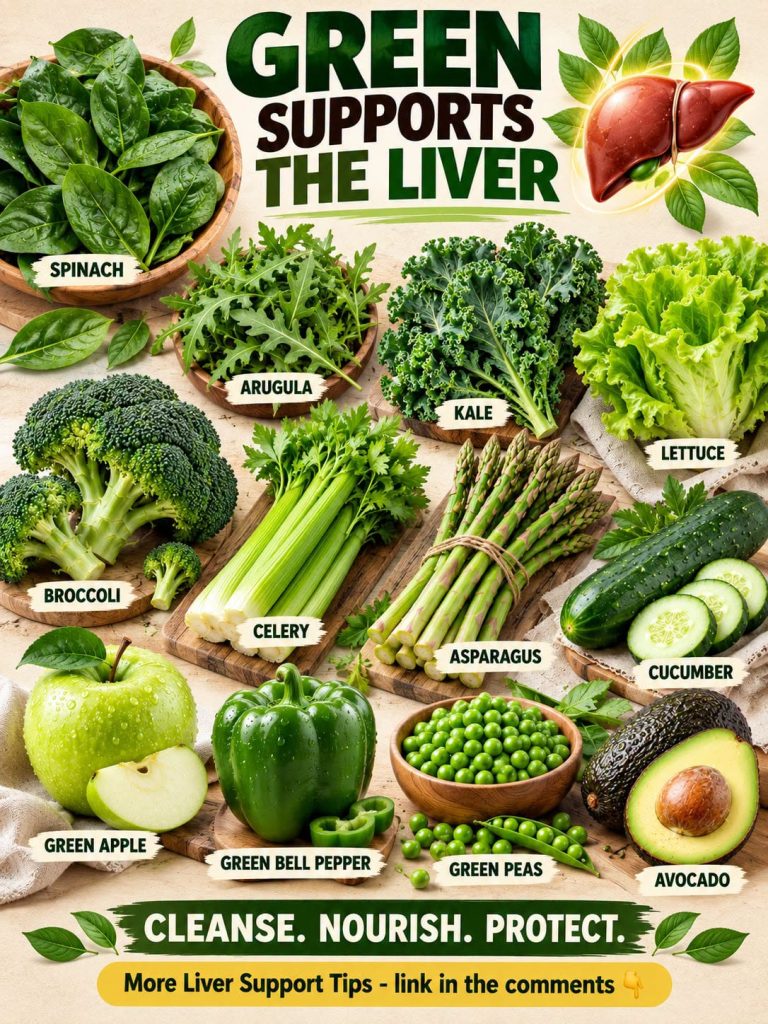 Discover the vibrant array of green foods that actively support your liver’s health.
The Green Arsenal: Why Your Liver Craves These Foods
The bounty of nature offers a spectrum of green foods, each with unique properties that target different aspects of liver health. Let’s look at some key players that deserve a regular spot on your plate.
Leafy Greens: Your Detox Champions
Leafy greens like spinach, arugula, kale, and lettuce are nutritional powerhouses. They are rich in chlorophyll, which helps neutralize toxins and heavy metals, easing the liver’s burden. Their high fiber content also supports healthy digestion and detoxification pathways, ensuring toxins are efficiently eliminated from the body.
- Spinach: Packed with antioxidants and vitamins, spinach helps protect liver cells from damage.
- Arugula: This peppery green contains compounds that may stimulate bile flow, aiding fat digestion and toxin removal.
- Kale: A superfood, kale is abundant in glucosinolates, which support the liver’s detoxification enzymes.
- Lettuce: A hydrating green, lettuce offers a gentle way to cleanse and provides essential vitamins and minerals.
Cruciferous Powerhouses: Broccoli & More
Broccoli stands out in the cruciferous family for its liver-loving properties. Like kale, it contains glucosinolates, which are converted into active compounds that assist in both phase I and phase II detoxification processes in the liver. This means broccoli helps your liver process and eliminate harmful substances more effectively.
Hydration & Nutrients: Celery, Cucumber, Asparagus
These water-rich vegetables are fantastic for hydration, which is essential for all bodily functions, including liver detoxification. They also provide a gentle diuretic effect, helping to flush out waste products.
- Celery: Contains antioxidants and enzymes that may help reduce inflammation and support liver function.
- Cucumber: Its high water content and beneficial nutrients contribute to liver cleansing and hydration.
- Asparagus: Known for its diuretic properties, asparagus helps the body eliminate toxins and is a good source of vitamins and minerals.
Vibrant Variety: Green Bell Pepper, Apple, Peas, Avocado
Don’t underestimate the diverse benefits of other green foods. They add flavor, texture, and a unique blend of nutrients to your liver-supportive diet.
- Green Bell Pepper: Rich in Vitamin C, a powerful antioxidant that protects liver cells from oxidative stress.
- Green Apple: Contains pectin, a soluble fiber that helps cleanse the digestive tract and reduces the liver’s workload. Malic acid also aids in detoxification.
- Green Peas: A good source of plant-based protein and fiber, peas contribute to satiety and healthy digestion, supporting overall metabolic health.
- Avocado: While not leafy, this green fruit is a treasure trove of healthy fats, particularly monounsaturated fats, and glutathione, a potent antioxidant crucial for liver detoxification.
How Green Foods Cleanse, Nourish, and Protect Your Liver
The consistent message from the experts and the image itself is clear: green foods actively work to cleanse, nourish, and protect this vital organ. Let’s break down how they achieve this incredible trifecta.
Cleanse: Supporting Natural Detoxification
Many green foods contain chlorophyll, the pigment that gives them their vibrant color. Chlorophyll has been shown to bind to toxins and heavy metals, helping to remove them from the body. Additionally, compounds like glucosinolates found in cruciferous vegetables activate the liver’s natural detoxification enzymes, allowing it to process and eliminate harmful substances more efficiently.
Nourish: Fueling Liver Function
A healthy liver requires a steady supply of vitamins, minerals, and other nutrients to perform its myriad functions. Green foods are a rich source of these essential elements, including Vitamin K, Vitamin C, folate, magnesium, and potassium. Avocado, for example, provides healthy fats that are crucial for cell membrane integrity and overall liver health.
Protect: Guarding Against Damage
Oxidative stress and inflammation can damage liver cells over time. The abundance of antioxidants in green foods, such as carotenoids and flavonoids, helps combat free radicals and reduce inflammation. These protective compounds act as a shield, safeguarding your liver from cellular damage and supporting its long-term health.
Easy Ways to Incorporate More Greens for Liver Health
Adding more liver-supportive greens to your diet doesn’t have to be complicated. Here are some simple, delicious ways to boost your intake:
- Morning Smoothies: Blend spinach or kale with a green apple, cucumber, and water or plant-based milk for a refreshing start to your day. This is a great healthy breakfast idea.
- Salads Galore: Make salads your main dish by combining various leafy greens, broccoli florets, green bell peppers, and avocado.
- Stir-fries and Sautés: Quickly sauté asparagus, broccoli, and green peas with your favorite lean protein.
- Snack Smart: Enjoy celery and cucumber sticks with a healthy dip, or have a green apple as a mid-day snack.
- Meal Prep Power: Incorporate cooked greens into your weekly meal prep by adding them to grain bowls, wraps, or as a side dish for your high-protein, low-calorie meals.
- Homemade Juices: Freshly pressed green juices with celery, cucumber, and spinach can be a potent way to get a concentrated dose of nutrients.
Common Questions About Liver-Supportive Greens (FAQs)
Q: How much green food should I eat for liver health?
A: Aim for at least 3-5 servings of green vegetables and fruits daily. Consistency is more important than massive quantities in one sitting.
Q: Are frozen green vegetables as beneficial as fresh ones?
A: Yes! Frozen green vegetables are often picked at their peak ripeness and flash-frozen, preserving their nutrient content. They are a convenient and equally nutritious option.
Q: Can green foods reverse liver damage?
A: While green foods are excellent for supporting liver health and detoxification, they cannot reverse existing severe liver damage on their own. They are part of a healthy lifestyle that may help prevent further damage and support the liver’s natural healing processes. Always consult a healthcare professional for specific medical conditions.
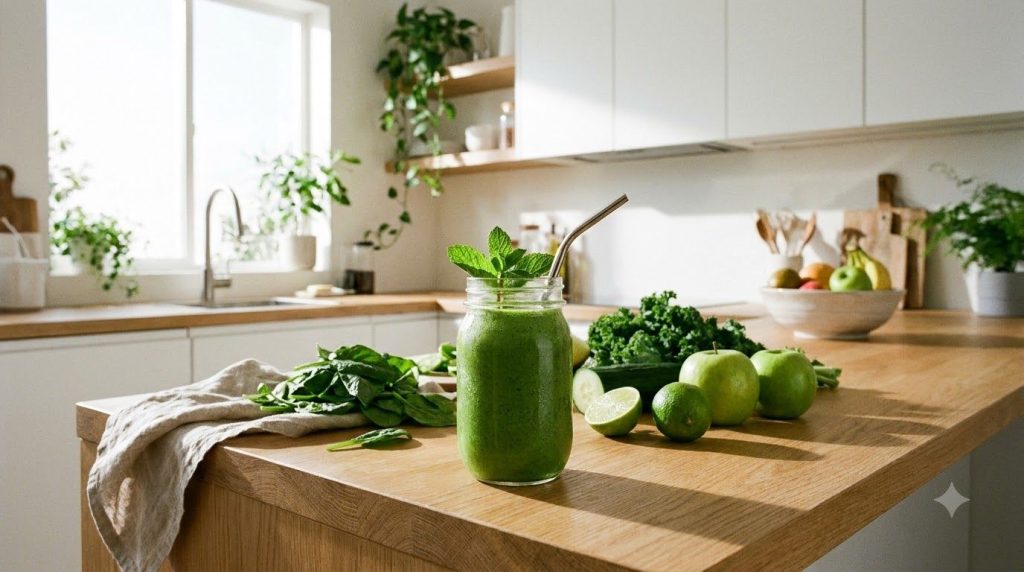 Start your day with a refreshing green smoothie to boost liver function.
Final Thoughts
Embracing the power of green foods is one of the most effective and delicious ways to support your liver. By consistently incorporating spinach, kale, broccoli, avocado, and other vibrant greens into your diet, you provide your liver with the essential nutrients it needs to cleanse, nourish, and protect itself. Remember, a healthy liver contributes significantly to your overall well-being and energy levels. Make green foods a cornerstone of your healthy eating journey, and feel the difference.
Medical Disclaimer
The information provided in this article is for general informational purposes only and does not constitute medical advice. Always consult with a qualified healthcare professional before making any changes to your diet or health regimen, especially if you have a medical condition or are taking medication.