Most people walk right past it, unaware of the soothing and revitalizing drink it can become. You might have seen its crinkled, heart-shaped leaves in a forgotten corner of a garden or even mistaken it for mint, but this unassuming herb, Lemon Balm (Melissa officinalis), holds a secret power many overlook. Often referred to as the ‘calming herb,’ it’s been cherished for centuries, not just for its delightful lemon scent, but for its profound ability to soothe the mind and body. Forget expensive wellness shots; your daily remedy could be growing just outside your door.
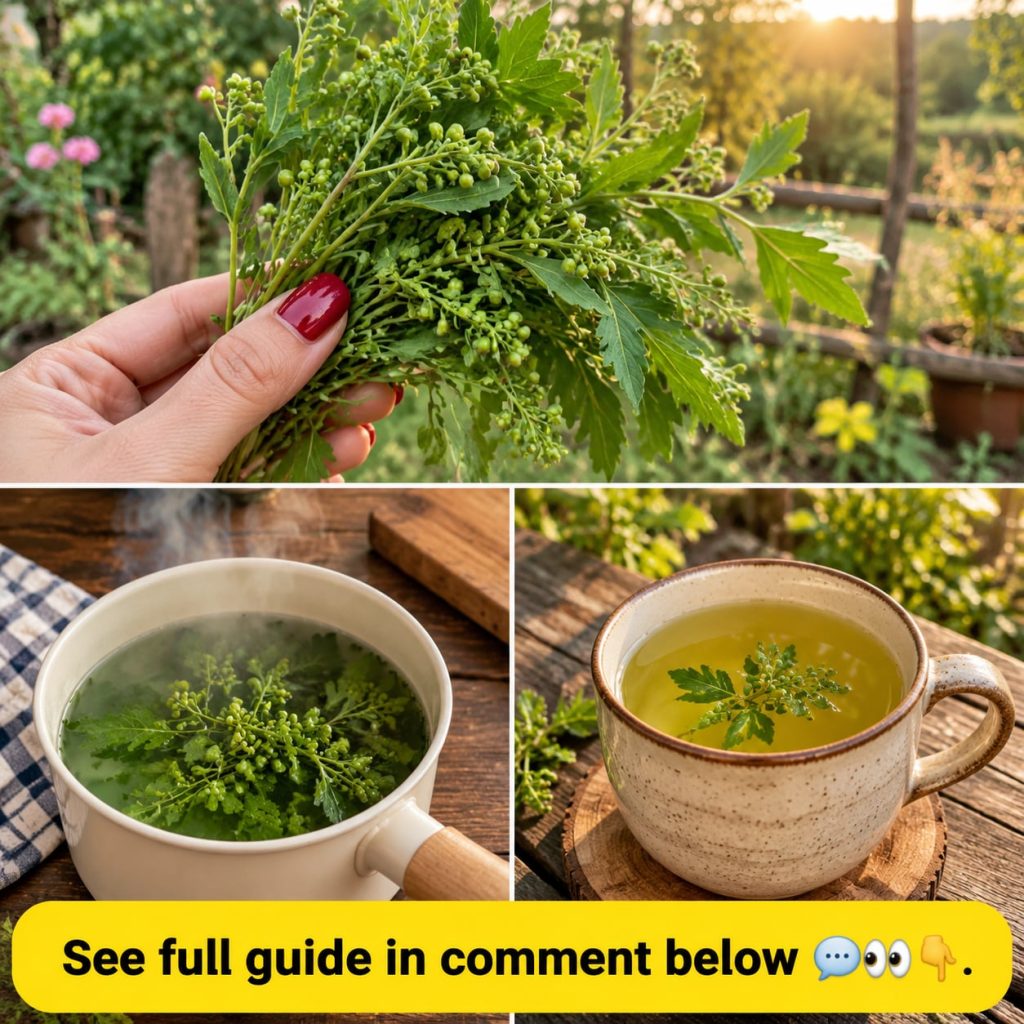
What It Is: Your Soothing Lemon Balm Elixir
Lemon balm is a perennial herb in the mint family. Its leaves release a mild, lemony aroma when bruised, making it a favorite for culinary uses, but its true magic lies in its therapeutic properties. Traditionally, it’s been used to reduce stress and anxiety, promote sleep, improve appetite, and ease indigestion. When prepared as a warm infusion, it transforms into a comforting, subtly flavored drink that acts as a gentle nervine and digestive aid.
Many turn to store-bought supplements for relaxation, but the simplest, purest form of lemon balm remedy is often the most effective: a freshly brewed tea. This article will guide you through creating your own, ensuring you harness its full, calming potential.
Ingredients for Your Lemon Balm Remedy
- Fresh lemon balm leaves OR Dried lemon balm
- Filtered water
- Optional: Honey or a slice of lemon for taste
Approximate Measurements
- For Fresh Leaves: 1/4 to 1/2 cup (lightly packed) fresh lemon balm leaves per 8 ounces (1 cup) of water.
- For Dried Leaves: 1-2 teaspoons dried lemon balm per 8 ounces (1 cup) of water.
- Adjust quantities based on desired strength.
Formula / Recipe: Simple Lemon Balm Infusion
Making a potent lemon balm infusion is straightforward, but a few key steps make all the difference in extracting its beneficial compounds. The goal is to steep, not boil, the delicate leaves to preserve their volatile oils.
Step-by-Step Method
- Harvest/Measure: If using fresh leaves, gently rinse them under cool water and pat dry. Lightly tear or bruise the leaves to help release their aromatic oils. If using dried, measure out the appropriate amount.
- Heat Water: Bring your filtered water to a gentle boil. Once boiling, immediately remove it from the heat. The ideal temperature for herbal infusions is just off the boil, around 200-205°F (93-96°C).
- Combine: Place the lemon balm leaves (fresh or dried) into a heat-proof mug or teapot. Pour the hot water over the leaves.
- Steep: Cover the mug or teapot with a lid or small plate. This is the part most people skip, but covering is crucial to prevent the volatile, beneficial oils from evaporating with the steam. Steep for 10-15 minutes for a milder tea, or up to 20 minutes for a stronger remedy.
- Strain: Strain the leaves out using a fine-mesh sieve or tea infuser.
- Serve: Enjoy warm. If desired, sweeten with a touch of honey or add a squeeze of fresh lemon.
How to Use
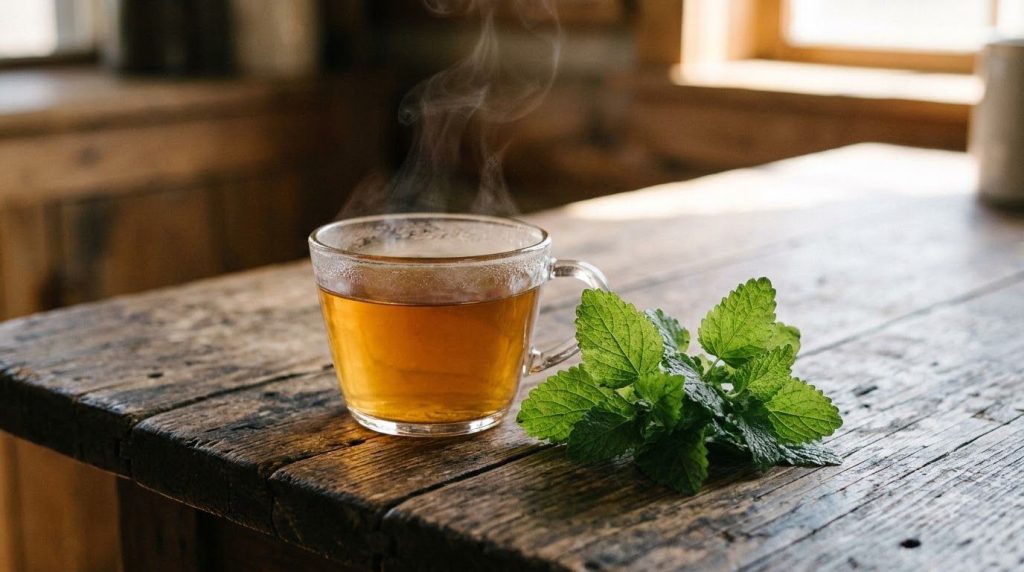
Lemon balm tea is best enjoyed when you need to unwind. Drink it warm to help calm nerves, reduce stress, or prepare for sleep. It can also be beneficial for mild digestive upsets, such as bloating or gas, especially after a heavy meal. For these purposes, a warm cup often provides quicker relief.
How Often to Use
For general wellness and relaxation, 1-3 cups per day is a common recommendation. If using to aid sleep, consume one cup about 30-60 minutes before bedtime. For acute stress or digestive issues, you can drink it as needed, but always observe how your body responds.
Quick Tip: For a refreshing summer drink, brew a strong batch of lemon balm tea, let it cool, and then chill it. Serve over ice with a slice of cucumber or extra lemon for a delightful iced herbal cooler.
How to Buy / How to Choose Ingredients
The quality of your lemon balm significantly impacts the effectiveness of your remedy. Choosing wisely is key.
Fresh Lemon Balm:
- Grow Your Own: Lemon balm is incredibly easy to grow in a garden or container. It’s often found at local nurseries. Growing your own ensures you have a fresh, organic supply.
- Farmers’ Markets: Look for fresh bunches at local farmers’ markets during spring and summer.
- Appearance: Choose vibrant green leaves without any wilting, yellowing, or dark spots. The stronger the lemon scent when gently bruised, the fresher and more potent the herb.
Dried Lemon Balm:
- Reputable Suppliers: Purchase from organic herb suppliers or health food stores that specialize in loose-leaf herbs.
- Color and Scent: Good quality dried lemon balm should still have a greenish hue, not a dull brown. It should retain a faint, pleasant lemon scent, indicating it was dried properly and is still potent.
| Feature | Fresh Lemon Balm | Dried Lemon Balm |
|---|---|---|
| Potency | Generally higher in volatile oils; vibrant flavor. | Concentrated, but some volatile oils may be lost during drying. |
| Availability | Seasonal (spring to fall); easily home-grown. | Year-round from herbal suppliers. |
| Storage | Short shelf-life (days in fridge). | Longer shelf-life (1-2 years in airtight container). |
| Quantity per Cup | 1/4 to 1/2 cup lightly packed. | 1-2 teaspoons. |
Storage
Proper storage ensures your lemon balm remains potent and safe to use.
- Fresh Leaves: Store fresh lemon balm in the refrigerator. Wrap unwashed leaves loosely in a damp paper towel and place them in a plastic bag or airtight container. Use within 3-5 days.
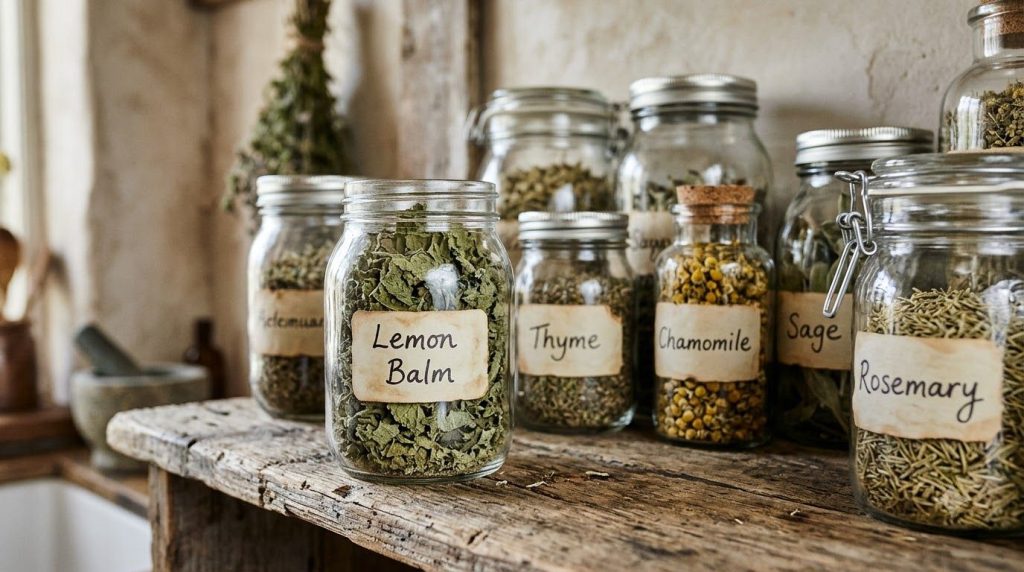
- Dried Leaves: Store dried lemon balm in an airtight glass jar in a cool, dark place away from direct sunlight and humidity. It can retain potency for 1-2 years.
- Prepared Tea: Brewed lemon balm tea can be stored in the refrigerator for up to 24-48 hours. After that, its potency and flavor begin to diminish.
Practical Tips for Maximizing Your Remedy
- Combine with Other Herbs: For enhanced calming effects, lemon balm pairs beautifully with chamomile, lavender, or passionflower. For digestive support, try it with peppermint or ginger.
- Grow Your Own: Lemon balm is a vigorous grower. Planting it in a pot can prevent it from taking over your garden, but it ensures you always have a fresh supply. Harvest regularly to encourage new growth.
- Sweeten Naturally: If you prefer a sweeter tea, opt for raw honey, which adds its own beneficial properties. Avoid artificial sweeteners.
Did You Know? The name Melissa comes from the Greek word for ‘honey bee,’ as lemon balm is known to attract bees, making it a wonderful addition to a pollinator garden.
Common Mistakes to Avoid
Even with a simple tea, small errors can reduce its effectiveness.
- Boiling the Leaves: Never boil lemon balm leaves directly. High heat can destroy the delicate volatile oils responsible for its calming properties. Always use water that has just come off the boil.
- Not Covering During Steeping: Skipping the lid allows essential oils to escape with the steam, making your tea less potent. Always cover your mug or teapot.
- Using Stale Herbs: Old or improperly stored dried lemon balm loses its beneficial compounds. If it lacks a noticeable lemon scent, it’s likely past its prime.
- Using Sprayed Plants: If harvesting from the wild or a non-organic source, ensure the plant has not been treated with pesticides or herbicides. This is crucial for any internal remedy.
Cautions / Who Should Avoid It
While generally considered safe for most people, there are a few considerations:
- Thyroid Conditions: Lemon balm may interfere with thyroid hormones. Individuals with hypothyroidism should use it with caution and consult a healthcare professional.
- Sedatives: Due to its calming effects, lemon balm may enhance the effects of sedative medications. Avoid combining without professional guidance.
- Pregnancy and Breastfeeding: Limited research is available. It’s best to consult a doctor before using during pregnancy or while breastfeeding.
- Surgery: Lemon balm may slow down the central nervous system, so it’s advisable to stop using it at least two weeks before a scheduled surgery.
Quick Summary: Your Lemon Balm Guide
- Best Preparation: Hot water infusion (tea).
- Best Use-Case: Stress reduction, anxiety relief, sleep aid, mild digestive upset.
- Storage: Fresh: damp towel in fridge (3-5 days). Dried: airtight jar, cool dark place (1-2 years). Tea: fridge (1-2 days).
- When to Use: As needed for calm, or 30-60 minutes before bed.
- What to Avoid: Boiling leaves, not covering during steeping, stale herbs, unknown sources.
Frequently Asked Questions (FAQ)
Q: Can I use fresh or dried lemon balm?
A: Both are effective. Fresh leaves offer a brighter flavor, while dried are convenient for year-round use. Just adjust the quantity.
Q: How long does lemon balm tea last?
A: For optimal benefits, consume immediately. You can store brewed tea in the refrigerator for up to 48 hours, but its potency will decrease.
Q: Can I make a large batch and refrigerate it?
A: Yes, you can. It’s excellent as an iced tea. Just remember to consume it within two days for the best quality.
Q: How often should I drink lemon balm tea?
A: Up to 3 cups per day is generally considered safe for most adults. Listen to your body and adjust as needed.
Q: What part of the plant is best for tea?
A: The leaves are the primary part used for infusions. The stems have less flavor and fewer beneficial compounds.
Q: Can I reuse the lemon balm leaves for another cup?
A: It’s not recommended. The beneficial compounds are largely extracted in the first steep, making subsequent infusions very weak.
Q: When should I avoid lemon balm?
A: Avoid if you have thyroid conditions, are on sedative medications, are pregnant or breastfeeding (without medical advice), or before surgery.
Q: Can children drink lemon balm tea?
A: In small, diluted amounts, lemon balm is often considered safe for children for calming. However, always consult a pediatrician before introducing herbal remedies to children.
Conclusion
Lemon balm is a simple, yet profoundly effective, natural remedy that many overlook. By understanding how to properly harvest, prepare, and use this everyday plant, you can easily integrate a powerful calming and digestive aid into your daily routine. It’s a testament to the fact that sometimes, the most extraordinary solutions are found right in our own backyards.
You may also like: DIY Herbal Sleep Remedies: Nature’s Best for Restful Nights
Continue with: How to Grow Medicinal Herbs at Home for Your Wellness