Taking care of your cardiovascular system is paramount for overall wellness, and a healthy diet plays a crucial role. While there’s no magic bullet to ‘clean’ arteries overnight, incorporating specific heart-healthy foods into your daily routine can significantly support arterial health and overall heart function. These foods are packed with nutrients, antioxidants, and compounds that may help maintain healthy blood vessels and reduce factors that contribute to arterial plaque buildup.
Imagine tiny workers diligently sweeping away debris in your arteries – that’s the powerful, preventative role certain foods can play. This guide will introduce you to 11 remarkable foods, often hailed for their cardiovascular benefits, and offer simple ways to make them a part of your daily meals. Ready to give your heart the nourishment it deserves?
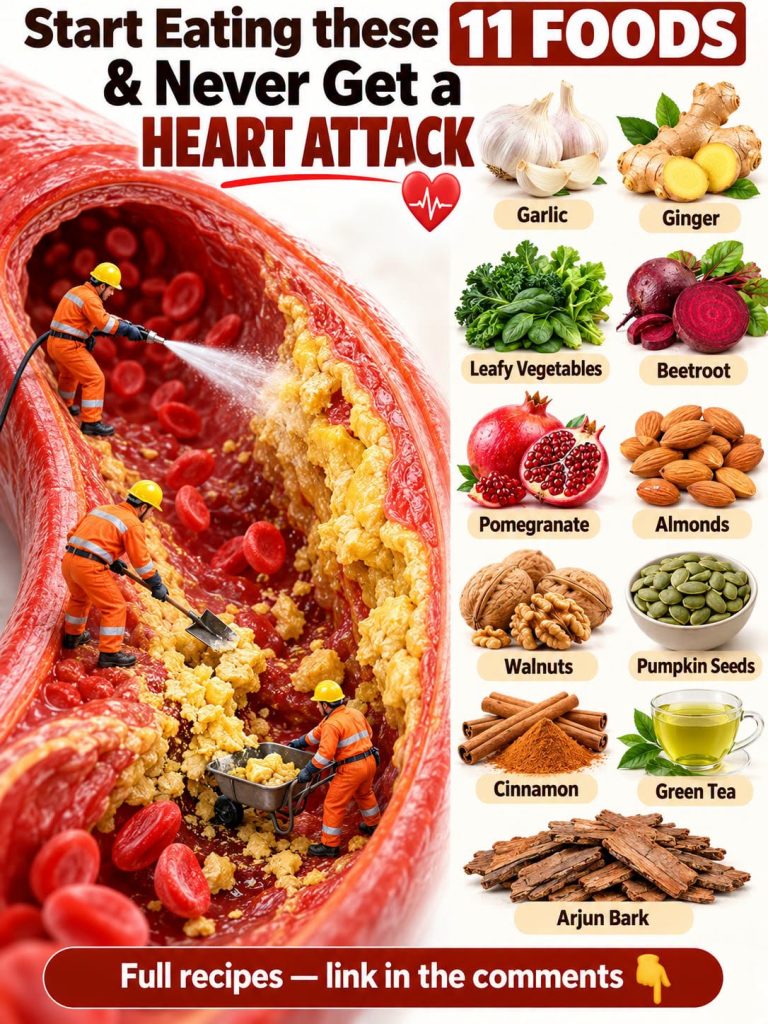 Nourish your arteries with these powerful foods.
Understanding Arterial Health: Why It Matters
Your arteries are vital pathways that carry oxygen-rich blood from your heart to the rest of your body. Over time, factors like unhealthy diets, lack of exercise, and chronic stress can contribute to the buildup of plaque—a sticky substance made of cholesterol, fatty substances, cellular waste products, calcium, and fibrin—along the inner walls of your arteries. This process, known as atherosclerosis, can narrow and harden arteries, making it harder for blood to flow freely. This reduced blood flow can lead to various cardiovascular issues, including an increased risk of heart attack and stroke.
By choosing nutrient-dense foods, you’re providing your body with the tools it needs to support healthy circulation, reduce inflammation, and protect your arterial walls. It’s about empowering your body’s natural defenses and proactively maintaining optimal heart function.
11 Powerful Foods to Nurture Your Heart and Keep Arteries Clean
Here are 11 incredible foods that you can easily integrate into your diet to support your heart and promote cleaner arteries:
1. Garlic
Known for its potent flavor and medicinal properties, garlic contains allicin, a compound that may help lower blood pressure and cholesterol levels. It’s also recognized for its anti-inflammatory and antioxidant effects.
- How to Incorporate: Add crushed garlic to stir-fries, sauces, soups, or roasted vegetables. Enjoy it raw in salad dressings for maximum benefit.
2. Ginger
This pungent root is a powerful anti-inflammatory and antioxidant. Ginger may help reduce bad cholesterol (LDL) and triglyceride levels, contributing to improved circulation.
- How to Incorporate: Steep fresh ginger slices in hot water for a soothing tea, add grated ginger to smoothies, curries, or marinades for chicken and fish.
3. Leafy Vegetables
Spinach, kale, Swiss chard, and other leafy greens are rich in vitamins, minerals, and antioxidants. They are excellent sources of nitrates, which the body converts into nitric oxide, helping to relax and widen blood vessels, promoting healthy blood flow.
- How to Incorporate: Blend into smoothies, sauté with garlic as a side dish, add to omelets, or use as a base for salads.
4. Beetroot
Like leafy greens, beetroot is high in nitrates, which can significantly improve blood pressure and circulation. Its vibrant color comes from betalains, powerful antioxidants that reduce inflammation.
- How to Incorporate: Roast, juice, add to salads, or blend into smoothies. You can also enjoy pickled beetroot as a flavorful side.
5. Pomegranate
This fruit is packed with antioxidants, particularly punicalagins, which may help protect the lining of your arteries from damage and reduce plaque buildup.
- How to Incorporate: Enjoy the seeds in salads, yogurt, oatmeal, or as a snack. Drink pure pomegranate juice (without added sugar) in moderation.
6. Almonds
These crunchy nuts are a good source of healthy monounsaturated fats, fiber, and vitamin E, all of which contribute to cardiovascular health by helping to lower LDL cholesterol.
- How to Incorporate: Snack on a handful, add chopped almonds to oatmeal or yogurt, or use almond flour in baking.
7. Walnuts
Known for their omega-3 fatty acids (alpha-linolenic acid or ALA), walnuts are excellent for heart health. Omega-3s help reduce inflammation and may improve cholesterol levels.
- How to Incorporate: Sprinkle on salads, cereals, or yogurt. Use in homemade trail mixes or as a topping for baked goods.
8. Pumpkin Seeds
Rich in magnesium, zinc, and healthy fats, pumpkin seeds may help regulate blood pressure and support arterial flexibility. They are also a good source of antioxidants.
- How to Incorporate: Roast and snack on them, add to salads, soups, or use as a crunchy topping for stir-fries.
9. Cinnamon
More than just a spice, cinnamon has been studied for its potential to help regulate blood sugar levels and may have a positive impact on cholesterol and triglyceride levels.
- How to Incorporate: Sprinkle on oatmeal, coffee, yogurt, or fruit. Add to smoothies or use in savory dishes like stews and tagines.
10. Green Tea
Loaded with catechins, powerful antioxidants like EGCG, green tea is celebrated for its ability to improve endothelial function (the inner lining of blood vessels) and may help reduce cholesterol absorption.
- How to Incorporate: Enjoy a few cups daily. Choose high-quality loose-leaf green tea for maximum benefits.
11. Arjun Bark
Traditionally used in Ayurvedic medicine, Arjun bark (Terminalia arjuna) is renowned for its cardioprotective properties. It is believed to help strengthen heart muscles, improve blood flow, and may assist in managing blood pressure and cholesterol levels.
- How to Incorporate: Commonly consumed as a powdered supplement mixed with water or milk, or as a tea. Always consult a healthcare professional before adding new supplements to your routine.
Integrating These Foods into Your Daily Life
Making these foods a regular part of your diet doesn’t have to be complicated. Start small, by incorporating one or two new items each week. Experiment with flavors and preparation methods that you enjoy. Remember, consistency is key when it comes to long-term wellness tips and heart health.
Frequently Asked Questions About Heart Health Foods
Can these foods replace medication for heart conditions?
No, these foods are meant to support heart health as part of a balanced diet and healthy lifestyle. They should not replace prescribed medications or medical advice from a healthcare professional for existing heart conditions.
How long does it take to see benefits from eating these foods?
The benefits of a heart-healthy diet are cumulative and long-term. While some immediate improvements in factors like blood pressure may be noticed, significant changes to arterial health occur gradually over months and years of consistent healthy eating.
Are there any side effects to consuming these foods?
For most people, consuming these foods as part of a balanced diet is safe. However, individuals with specific allergies or medical conditions (e.g., blood thinners with ginger or garlic) should consult their doctor. Arjun bark, especially, should be used under professional guidance.
Final Thoughts
Embracing a diet rich in these 11 nutrition tips can be a powerful step towards safeguarding your heart health and maintaining clean, flexible arteries. By making conscious choices to include foods like garlic, ginger, leafy greens, nuts, and specific fruits and herbs, you’re actively investing in your long-term well-being. Remember, a healthy heart is a happy heart, and it begins with what you put on your plate.
For further personalized guidance or if you have specific health concerns, always consult with a qualified healthcare professional.
Medical Disclaimer
The information provided in this article is for general knowledge and informational purposes only, and does not constitute medical advice. It is essential to consult with a qualified healthcare professional before making any decisions about your health or treatment plan, especially if you have a pre-existing medical condition.