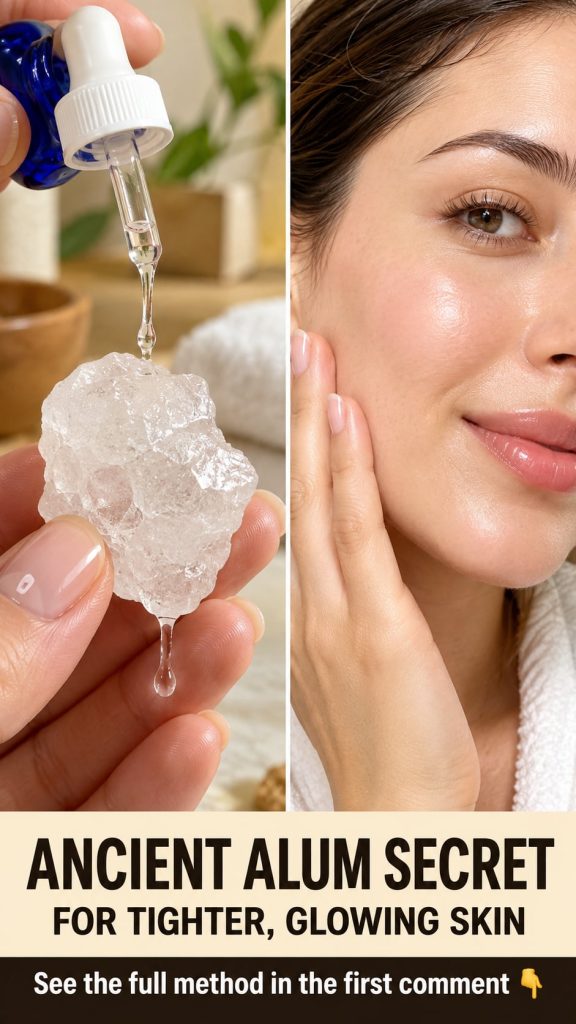
Have you ever wondered about the beauty secrets our grandmothers knew? It seems like some of these age-old tricks are making a big comeback! One in particular, the use of alum stone, is capturing attention as people explore natural ways to achieve smoother and tighter-looking skin.
You might have seen it circulating online: stories of individuals in their late 40s appearing to defy wrinkles, attributing their radiant complexions to this ancient method. But what exactly is alum stone, and how are people using it in their beauty routines today?
What is Alum Stone?
Alum stone, often simply called alum, is a natural mineral salt. It’s been used for centuries across various cultures for its astringent and antiseptic properties. Historically, it’s been a staple in traditional medicine, as a natural deodorant, and even in post-shave routines to help soothe skin and stop minor bleeding. It’s truly a versatile ingredient!
Why Are People Using Alum Stone for Skin?
The recent surge in popularity for alum stone in skincare stems from its perceived benefits for skin firmness and texture. Here’s what people are reporting:
- Temporary Tightening Effect: Many users find that when applied to the skin, alum stone can create a temporary tightening sensation, which may contribute to a smoother, firmer appearance.
- Reducing the Appearance of Pores: Its astringent qualities are thought to help minimize the look of enlarged pores, giving the skin a more refined texture.
- Aiding in a Brighter Complexion: By helping to gently exfoliate and improve skin texture, some users notice a more radiant and even-toned complexion over time.
It’s important to remember that individual results can vary, and these effects are often temporary and related to the astringent action of alum.
How People Prepare and Use Alum Stone in Their Routine
Using alum stone in your beauty routine is surprisingly simple, but it requires a gentle touch and mindful preparation. Here’s a common approach people are trying:
What You’ll Need:
- A small piece of natural alum stone
- Clean water
- A clean cloth or cotton pad
Step-by-Step Method:
- Cleanse Your Skin: Start with a freshly cleansed face. Gently pat your skin dry.
- Dampen the Alum Stone: Briefly wet the alum stone under running water. You don’t need to soak it, just get the surface slightly moist.
- Gentle Application: Lightly rub the dampened alum stone over the areas of your face where you want to achieve a smoother, tighter-looking effect. Many focus on the jawline, cheeks, and forehead. Use very light pressure – you don’t need to scrub!
- Allow to Dry: Let the residue from the alum stone dry on your skin for a few minutes. You might feel a slight tightening sensation as it dries.
- Rinse Off: After a few minutes, gently rinse your face with cool water to remove any remaining alum residue.
- Moisturize: Follow up with your favorite moisturizer to keep your skin hydrated.
Important Considerations Before You Try This
While alum stone is a natural product, it’s potent. Here are a few things to keep in mind:
- Patch Test is Key: Always perform a patch test on a small, inconspicuous area of your skin (like behind your ear or on your inner arm) before applying it to your face. Wait 24 hours to check for any irritation or adverse reactions.
- Dilution is Your Friend: If you find the direct application too strong, you can dissolve a tiny piece of alum in water and apply the diluted solution with a cotton pad instead.
- Avoid Sensitive Areas: Steer clear of sensitive areas like around the eyes and any broken or irritated skin.
- Frequency: Start by using it sparingly, perhaps once or twice a week, to see how your skin reacts. Overuse could lead to dryness or irritation for some skin types.
The ancient secret of alum stone for tighter-looking skin is certainly sparking a lot of interest. By understanding its properties and using it mindfully, you can explore whether this traditional beauty hack might be a beneficial addition to your own natural skincare routine. As with any new beauty practice, listening to your skin is always the best approach!