Most people associate roses with beautiful blooms, not with something as mundane as toilet paper. Yet, this humble household item holds a surprisingly effective secret for propagating new rose bushes from cuttings. Forget complex setups or expensive equipment; this method is a game-changer for home gardeners looking to expand their rose collection with minimal fuss and maximum curiosity.
It sounds counterintuitive, but the toilet paper method provides a controlled, moist environment that encourages root development in rose cuttings. It’s a simple, low-cost approach that bypasses some of the common pitfalls of traditional propagation, making it accessible even for beginners. If you’ve struggled with rooting roses before, this unexpected hack might be the remedy you’ve been looking for.
What It Is: The Toilet Paper Rose Propagation Method
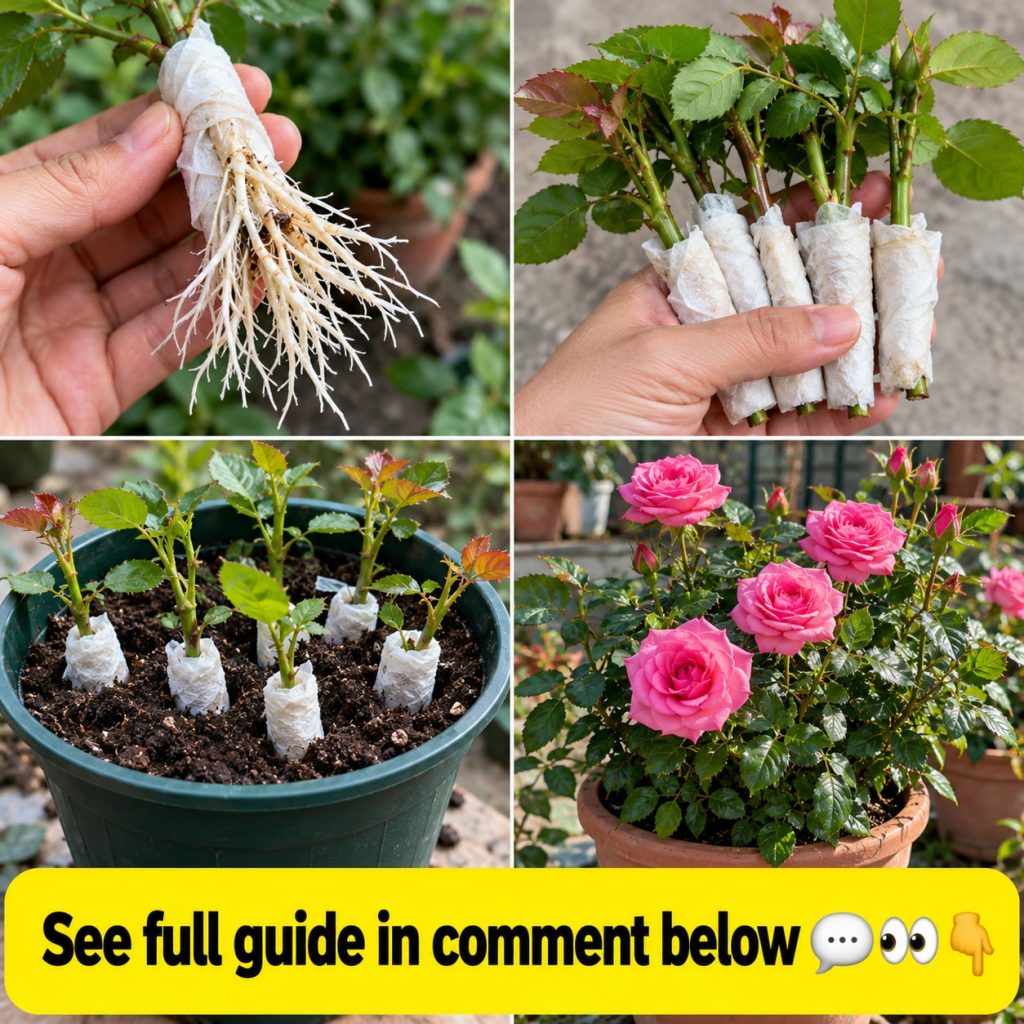
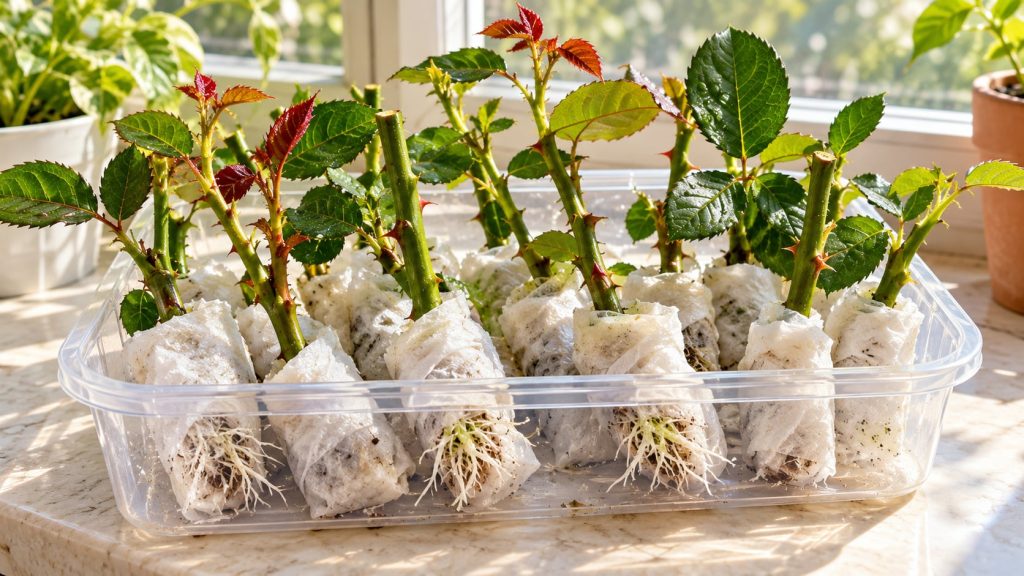
This method involves wrapping the prepared base of a rose cutting in a moist piece of toilet paper, which acts as a humidity-retaining medium. The wrapped cuttings are then placed in a sealed environment to maintain high humidity, encouraging roots to form directly within the paper. Once roots appear, the cutting, still encased in the paper, is carefully transferred to potting soil, minimizing transplant shock. It’s an easy, budget-friendly way to multiply your favorite rose varieties.
Ingredients & Materials You’ll Need
Gathering the right materials is the first step to success. Luckily, most of these are readily available.
- Rose Cuttings: Healthy, disease-free stems from your favorite rose bush.
- Toilet Paper: Unscented, plain white toilet paper is best.
- Sharp Pruning Shears or Knife: Sterilized to prevent disease.
- Rooting Hormone (Optional, but Recommended): Powder or gel form to encourage faster root growth.
- Plastic Bag or Airtight Container: To create a humid microclimate (e.g., zip-top bags, plastic clam shells, or a clear plastic storage box).
- Spray Bottle with Water: For misting and keeping the toilet paper moist.
- Potting Mix: A light, well-draining mix for transplanting.
- Small Pots: For individual rooted cuttings.
Approximate Measurements for Best Results
- Rose Cuttings: Aim for pieces 6-8 inches (15-20 cm) long, each with at least 3-4 nodes (points where leaves or buds emerge).
- Toilet Paper: Use 2-3 squares per cutting, folded to wrap securely around the base.
- Rooting Hormone: Apply a light dusting or dip, just enough to coat the cut end.
- Water for Misting: Ensure the toilet paper is damp, not soaking wet.
Step-by-Step Method: Propagating Roses with Toilet Paper
1. Select and Prepare Your Cuttings
Choose healthy, non-flowering stems that are about the thickness of a pencil. Cut 6-8 inch sections from the current season’s growth. Make the bottom cut just below a node at a 45-degree angle. Remove all leaves except for the top two, which you can trim in half to reduce moisture loss.
2. Apply Rooting Hormone
Dip the angled bottom end of each cutting into rooting hormone powder or gel, shaking off any excess. This step significantly boosts your chances of success.
3. Wrap in Moist Toilet Paper
Take 2-3 squares of unscented toilet paper. Lightly mist the paper with water from your spray bottle until it’s damp, but not dripping. Wrap the bottom 1-2 inches (2.5-5 cm) of the cutting firmly with the moist toilet paper. The paper should cling to the stem.
4. Create a Humid Environment
Place your wrapped cuttings inside a plastic bag or airtight container. Ensure there’s some air circulation but that humidity remains high. You can add a small amount of damp (not wet) peat moss or perlite at the bottom of the container to help maintain humidity. Seal the container or bag.
5. Find the Right Spot
Place your container in a location that receives indirect light and maintains a consistent temperature of 65-75°F (18-24°C). Avoid direct sunlight, which can overheat the container and cook your cuttings.
6. Monitor and Transplant
Check your cuttings every few days. The toilet paper should remain moist; mist if necessary. Roots typically begin to form within 2-4 weeks. Once roots are about an inch long and clearly visible through the toilet paper, it’s time to transplant. Gently place the cutting, still wrapped in its toilet paper, into a small pot filled with well-draining potting mix. The paper will naturally decompose in the soil.
How to Use and Care for Rooted Cuttings
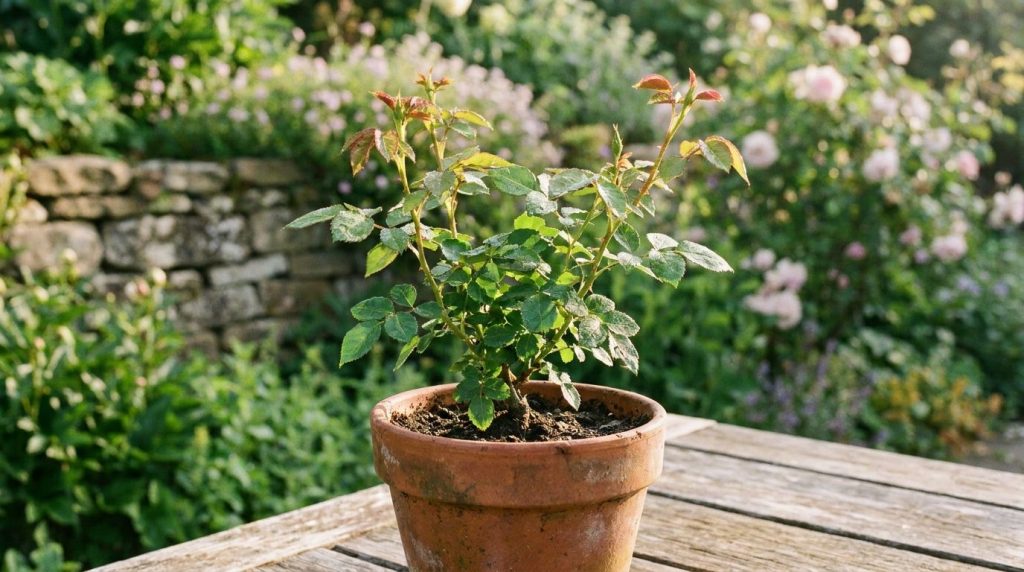
Once transplanted, treat your young rose plants with care. Keep the soil consistently moist but not waterlogged. Place them in a sheltered spot with dappled sunlight, gradually introducing them to more direct sun over several weeks. Provide a gentle, balanced fertilizer once new leaf growth appears.
How Often to Check and Water
During the rooting phase, check your cuttings every 2-3 days to ensure the toilet paper is still moist. Misting with a spray bottle is usually sufficient. Once transplanted, water as needed to keep the soil moist, which might be daily in warm weather or every few days otherwise.
How to Choose Ingredients (Cuttings)
The success of this method largely depends on the quality of your cuttings. Look for:
- Semi-hardwood stems: These are stems that are firm but still slightly flexible, typically from the current year’s growth.
- Healthy appearance: No signs of disease, pests, or stress.
- Pencil thickness: Stems that are too thin may not have enough vigor to root.
- Presence of nodes: Nodes are where roots will emerge, so ensure your cutting has several.
Storage
Once wrapped in moist toilet paper and placed in a sealed environment, cuttings should be used for propagation as soon as possible. They are not meant for long-term storage in this state. Once roots have formed and they are potted, treat them as young plants.
Practical Tips for Success
- Sterilize tools: Always clean your pruning shears or knife with rubbing alcohol before making cuts to prevent disease transmission.
- Maintain humidity: The key to this method is consistent high humidity. Ensure your container is sealed well.
- Patience is key: Not every cutting will root, but by attempting several, you increase your chances.
- Gentle handling: Once roots form, they are delicate. Handle the cuttings with extreme care during transplanting.
Common Mistakes to Avoid
Even with a simple method, a few missteps can hinder your success:
- Using waterlogged toilet paper: Too much moisture can lead to rot rather than roots. Damp is the goal, not soaking.
- Disturbing developing roots: Once the toilet paper is wrapped, avoid unwrapping or constantly checking, as this can damage fragile new roots.
- Insufficient humidity: If the environment isn’t consistently humid, the cuttings will dry out and fail to root.
- Placing in direct sunlight: This can cook the cuttings inside the sealed container. Indirect light is crucial.
- Skipping rooting hormone: While optional, it significantly increases the success rate.
You may also like: DIY Natural Rooting Hormones: Boost Your Plant Cuttings Naturally
Cautions & Who Should Avoid It
This method is generally safe for anyone to try. However, success rates can vary depending on the rose variety, the health of the parent plant, and environmental conditions. If you are prone to disappointment from gardening failures, manage expectations, as propagation always involves some trial and error. Always handle sharp tools with care.
Quick Summary: Rose Propagation with Toilet Paper
| Feature | Details |
|---|---|
| Best Preparation | Semi-hardwood cuttings wrapped in moist toilet paper, sealed in a humid environment. |
| Best Use-Case | Expanding your rose collection cheaply and easily from existing plants. |
| Storage | Not for long-term storage; cuttings should be used promptly for propagation. |
| When to Use | Spring or early summer for best results, when stems are actively growing. |
| What to Avoid | Over-wetting toilet paper, direct sun, disturbing developing roots, unhealthy cuttings. |
FAQ: Your Rose Propagation Questions Answered
Q: Can I use any type of rose cutting?
A: Semi-hardwood cuttings from the current year’s growth generally have the highest success rate.
Q: How long does it take for roots to appear?
A: Roots typically start forming within 2-4 weeks, but it can sometimes take longer, up to 6 weeks.
Q: Do I need rooting hormone?
A: While not strictly mandatory, rooting hormone significantly increases the likelihood and speed of root development.
Q: Can I reuse the toilet paper?
A: No, the toilet paper is part of the initial rooting process and should not be reused. It will break down naturally once planted.
Q: What if the toilet paper dries out?
A: Mist it lightly with water to re-moisten. Consistent moisture is crucial for rooting.
Q: What kind of soil should I use for transplanting?
A: A light, well-draining potting mix is ideal for young rose plants to prevent root rot.
Q: Can I do this method indoors?
A: Yes, this method is perfect for indoor propagation, provided you can maintain the right temperature and indirect light conditions.
Q: What’s the success rate?
A: Success rates vary, but with proper technique and healthy cuttings, you can expect a reasonable percentage of successful propagations, especially if you try several cuttings.
Read more: Easy Plant Propagation Techniques for Every Gardener
Conclusion
Who knew a roll of toilet paper could unlock the potential for a flourishing rose garden? This unexpected hack demonstrates that sometimes the simplest, most overlooked items can be the key to gardening success. By following these practical steps, you can transform a few rose cuttings into beautiful new plants, enriching your garden and satisfying your green thumb. Give this method a try, and prepare to be amazed by the unexpected power of toilet paper in rose propagation!
Continue with: The Ultimate Guide to Caring for Your Roses Year-Round