Embarking on a health journey often involves making conscious choices about what and how much we eat. Whether your goal is to shed a few pounds or build muscle and gain healthy weight, understanding your daily calorie intake is fundamental. This comprehensive guide, inspired by expert nutritional insights, breaks down sample daily meal plans for weight loss and weight gain, offering a clear roadmap to help you achieve your body goals.
We’ll explore two distinct, calorie-controlled meal plans designed to support different objectives, highlighting balanced nutrition for both scenarios. From hearty breakfasts to satisfying dinners, learn how strategic food choices can make all the difference in reaching your desired outcomes.
Understanding Your Daily Calorie Needs: Weight Loss vs. Weight Gain
Before diving into specific meal plans, it’s crucial to understand the basic principles of energy balance. Weight loss typically occurs when you consistently consume fewer calories than your body burns (a calorie deficit), while weight gain requires consuming more calories than you burn (a calorie surplus). The specific calorie targets outlined in these plans are tailored to hypothetical individuals and serve as valuable starting points.
Determining your ideal calorie target depends on various factors, including your age, height, current weight, activity level, and metabolic rate. It’s not a one-size-fits-all approach, and what works for one person may not be suitable for another.
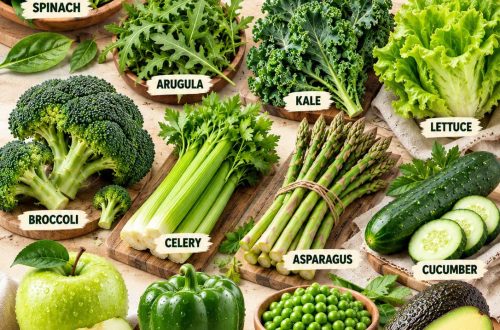
 Visualize your daily nutrition with these balanced meal ideas for diverse body goals.
Daily Meal Plan for Weight Loss: 1,500 Calories
This 1,500-calorie meal plan is designed for a moderately active individual aiming for weight loss, such as a 30-year-old female, 5’4″ and 145 lbs. It emphasizes nutrient-dense foods that provide satiety with fewer calories, supporting a healthy and sustainable calorie deficit.
Breakfast (Approx. 300 Calories): Overnight Oats with Berries & Nuts
- Ingredients:
- 1/2 cup rolled oats
- 1 cup unsweetened almond milk (or milk of choice)
- 1 tablespoon chia seeds
- 1/2 cup mixed berries (fresh or frozen)
- 1 tablespoon sliced almonds
- Optional: 1/2 teaspoon vanilla extract, a pinch of cinnamon
Instructions: Combine oats, milk, chia seeds, and vanilla/cinnamon in a jar or container. Stir well. Top with mixed berries and almonds. Cover and refrigerate overnight. Enjoy cold in the morning.
Lunch (Approx. 400 Calories): Chicken & Veggie Salad with Light Vinaigrette
- Ingredients:
- 4 oz grilled chicken breast, sliced
- 2 cups mixed greens
- 1/2 cup cherry tomatoes, halved
- 1/2 cucumber, sliced
- 1/4 cup bell peppers (any color), chopped
- 2 tablespoons light vinaigrette dressing
Instructions: Combine mixed greens, cherry tomatoes, cucumber, and bell peppers in a large bowl. Top with sliced grilled chicken. Drizzle with light vinaigrette dressing and toss gently to combine.
Snack (Approx. 200 Calories): Apple Slices with Natural Peanut Butter
- Ingredients:
- 1 medium apple, sliced
- 2 tablespoons natural peanut butter (ensure no added sugars or oils)
Instructions: Simply slice the apple and spread or dip the slices into the natural peanut butter. This snack offers fiber and healthy fats to keep you feeling full.
Dinner (Approx. 600 Calories): Baked Salmon with Quinoa & Asparagus
- Ingredients:
- 4-6 oz salmon fillet
- 1/2 cup cooked quinoa
- 1 cup asparagus spears
- 1/2 lemon, sliced (for baking)
- 1 teaspoon olive oil
- Salt and pepper to taste
Instructions: Preheat oven to 400°F (200°C). Place salmon on a baking sheet, drizzle with olive oil, season with salt and pepper, and top with lemon slices. Roast for 12-15 minutes, or until cooked through. Toss asparagus with a tiny bit of olive oil, salt, and pepper, and roast alongside the salmon for the last 8-10 minutes. Serve with cooked quinoa.
Daily Meal Plan for Weight Gain: 2,200 Calories
This 2,200-calorie meal plan is designed for an active individual aiming for healthy weight gain, such as a 25-year-old female, 5’6″ and 120 lbs. The focus here is on consuming calorie-dense, nutrient-rich foods that contribute to a calorie surplus while still providing essential vitamins and minerals.
Breakfast (Approx. 500 Calories): Protein Smoothie with Banana & Nut Butter
- Ingredients:
- 1 scoop protein powder (whey or plant-based)
- 1 medium banana
- 1 cup whole milk (or fortified plant-based milk)
- 2 tablespoons almond butter
- 1/2 cup spinach (optional, for added nutrients without altering taste)
- 1/2 cup ice cubes
Instructions: Combine all ingredients in a blender and blend until smooth. This makes a rich, calorie-dense, and nutrient-packed start to your day.
Lunch (Approx. 600 Calories): Whole Wheat Chicken Wrap with Avocado
- Ingredients:
- 1 large whole wheat tortilla (10-12 inches)
- 5 oz cooked chicken breast, shredded or diced
- 1/2 medium avocado, sliced or mashed
- 1/4 cup shredded lettuce
- 1/4 cup diced tomato
- 2 tablespoons hummus
Instructions: Lay out the tortilla. Spread hummus evenly. Layer with shredded chicken, avocado, lettuce, and tomato. Roll up tightly, tucking in the ends. Slice in half if desired.
Snack (Approx. 300 Calories): Full-Fat Greek Yogurt with Granola & Fruit
- Ingredients:
- 1 cup full-fat Greek yogurt
- 1/2 cup granola
- 1/2 cup mixed berries or sliced banana
- Optional: 1 tablespoon honey or maple syrup
Instructions: In a bowl, combine Greek yogurt, granola, and your choice of fruit. Drizzle with honey or maple syrup for extra calories and sweetness if desired.
Dinner (Approx. 800 Calories): Beef & Sweet Potato Stir-fry with Brown Rice
- Ingredients:
- 4-5 oz lean beef strips (e.g., sirloin)
- 1 medium sweet potato, peeled and diced
- 1 cup broccoli florets
- 1/2 cup bell peppers (any color), sliced
- 2 tablespoons low-sodium soy sauce
- 1 teaspoon ginger, minced
- 1 teaspoon garlic, minced
- 1 tablespoon olive oil
- 1.5 cups cooked brown rice
Instructions: Heat olive oil in a large skillet or wok over medium-high heat. Add beef strips and cook until browned, then remove and set aside. Add sweet potato to the skillet and cook until slightly tender (about 5-7 minutes). Add broccoli, bell peppers, ginger, and garlic, stirring occasionally until vegetables are tender-crisp. Return beef to the skillet. Pour in soy sauce and toss everything to combine. Serve immediately over brown rice.
 Meal prepping can simplify your journey, ensuring consistent, healthy choices throughout the week.
Tailoring Your Plan: Beyond a Single Day
These daily meal plans for weight loss and weight gain serve as excellent examples of how to structure your nutrition to meet specific caloric and macronutrient needs. However, remember they are just snapshots of one day. For a complete week-long or long-term plan, variety is key to ensuring you get a broad spectrum of nutrients and prevent dietary boredom.
Consider swapping protein sources (fish, lean meats, plant-based options), incorporating different vegetables and fruits, and experimenting with healthy whole grains. The core principles of calorie balance, adequate protein, healthy fats, and complex carbohydrates remain consistent, regardless of the specific ingredients.
Frequently Asked Questions About Weight Management Meal Plans
Q: How do I know which calorie target fits my body?
A: The calorie targets in these plans are illustrative. To determine your personal calorie needs, consider consulting a registered dietitian or using an online Basal Metabolic Rate (BMR) calculator to estimate your daily energy expenditure, then adjust for your activity level and goals (deficit for loss, surplus for gain).
Q: Can I adjust the portion sizes?
A: Absolutely! These are sample plans. You can adjust portion sizes slightly to better fit your individual hunger levels and specific calorie requirements, always keeping your overall goal in mind.
Q: Are these plans suitable for everyone?
A: These plans are general guidelines. Individuals with specific dietary restrictions, allergies, or health conditions should always consult with a healthcare professional or registered dietitian for personalized advice.
Final Thoughts
Achieving your weight loss or weight gain goals requires consistency, patience, and a thoughtful approach to nutrition. By understanding the principles behind these daily meal plans for weight loss and weight gain, you can make informed choices that nourish your body and move you closer to your desired outcome. Remember, the journey to a healthier you is unique, and these plans are designed to be a supportive guide on your path.
Medical Disclaimer
This article provides general information and discussions about health and related subjects. The information and other content provided in this article, and in any linked materials, are not intended and should not be construed as medical advice, nor is the information a substitute for professional medical expertise or treatment. Always seek the advice of your physician or other qualified health provider with any questions you may have regarding a medical condition.