Kitchen Grease Be Gone: A Simple DIY for a Sparkling Range Hood
Tough, baked-on kitchen grease on your range hood can feel impossible to remove, leaving your kitchen looking less than pristine. If you’ve been struggling with stubborn grime and wish for a simple, effective solution, you’re in the right place. This DIY method leverages common household items to cut through grease, leaving your stainless steel range hood sparkling clean without harsh chemicals. It’s a practical and budget-friendly way to restore shine to one of the hardest-working appliances in your kitchen.
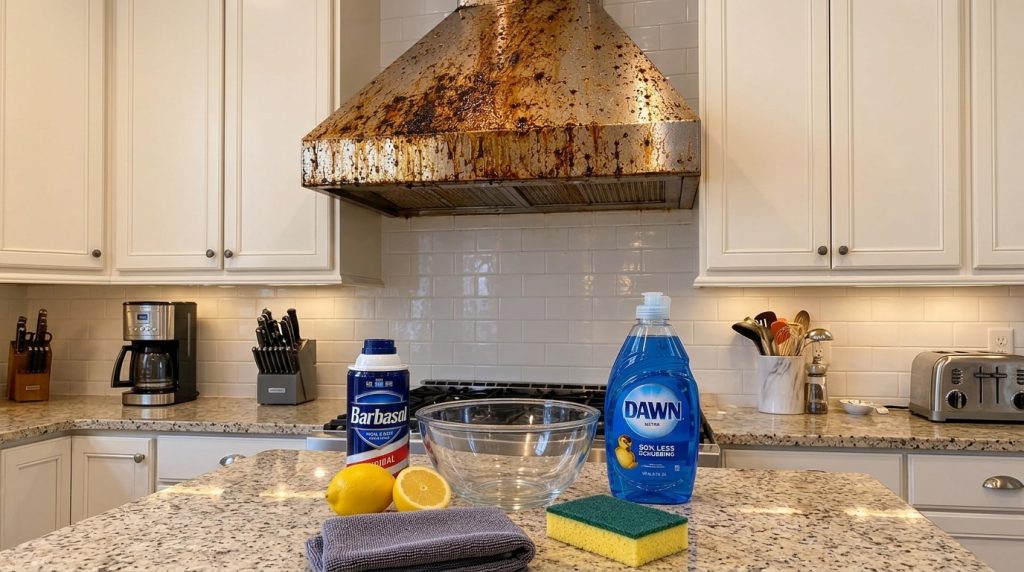
What You’ll Need
- 1 can Barbasol Shaving Cream (original formula recommended)
- Approximately 1/4 cup Dawn Dish Soap (or another powerful grease-cutting dish soap)
- 3-4 Fresh Lemons
- 1 Glass mixing bowl
- 1 Scrubbing sponge (non-scratch for stainless steel)
- 1 Microfiber cloth
- Warm water (for rinsing)
- Protective gloves (optional, but recommended)
Why This DIY Can Be Useful
This DIY combines the degreasing power of everyday ingredients. Shaving cream, particularly formulas like Barbasol, contains ingredients that can help lift and loosen thick grime. When combined with dish soap, known for its excellent grease-cutting properties, it creates a powerful cleaning paste. The addition of fresh lemon juice not only helps to further break down oily residue with its natural acidity but also leaves behind a refreshing, clean scent, combating lingering kitchen odors. Together, these ingredients work synergistically to tackle even the most stubborn grease.
How to Make It
- Squeeze the juice from 3-4 fresh lemons into your glass mixing bowl. Aim for about 1/4 to 1/2 cup of lemon juice.
- Add approximately 1/4 cup of Dawn dish soap to the lemon juice in the bowl.
- Next, spray a generous amount of Barbasol shaving cream into the bowl. You want enough to create a thick, foam-like paste when mixed with the liquids.
- Stir all the ingredients together thoroughly with your scrubbing sponge until you have a uniform, somewhat frothy mixture. It should be thick enough to cling to the sponge and the greasy surface.
How to Use It
- Before applying, ensure your range hood is cool to the touch.
- Using your scrubbing sponge, apply a generous layer of the homemade cleaning paste directly onto the greasy, stained areas of your stainless steel range hood.
- Allow the mixture to sit on the surface for about 10-15 minutes. This dwell time gives the ingredients a chance to penetrate and break down the tough grease.
- After the waiting period, gently scrub the entire treated area with the scrubbing sponge. You should notice the grease beginning to lift and emulsify with the cleaning solution. For very stubborn spots, apply a little more pressure or reapply a small amount of the paste.
- Once you’ve scrubbed all the greasy areas, dampen your microfiber cloth with warm water and begin to wipe away the cleaning solution and dissolved grease. Rinse the cloth frequently to avoid spreading the grime.
- Continue wiping with a clean, damp cloth until all residue is removed and the surface is clean.
- For a streak-free shine, finish by wiping down the hood with a clean, dry microfiber cloth.
What to Expect
You can expect a significantly cleaner and shinier range hood. This DIY method is designed to tackle tough grease and restore the luster of your stainless steel. While it may not remove every single stain depending on its age and severity, it will drastically improve the appearance, making your hood look much more presentable and cared for. The refreshing lemon scent will also contribute to a fresher-smelling kitchen.
Helpful Tips
- For very heavily soiled hoods, you might need to repeat the application process or leave the mixture on for a slightly longer period (up to 30 minutes).
- Always work in a well-ventilated area to ensure fresh air circulation.
- To maintain your range hood’s cleanliness, try to wipe it down regularly with a diluted dish soap solution after cooking, especially greasy meals. This prevents heavy buildup.
- Keep the prepared mixture in an airtight container for future use, though fresh is always best for maximum efficacy.
Important Notes / Safety
- Always perform a patch test in an inconspicuous area of your range hood first to ensure there is no discoloration or damage to the stainless steel finish.
- While these ingredients are common household items, it’s always wise to wear protective gloves to protect your hands from potential irritation, especially with extended contact.
- Ensure thorough rinsing to remove all soap and lemon residue, which could otherwise leave streaks or attract new dirt.
- Avoid getting the mixture into electrical components or vents. Wipe away any excess promptly.