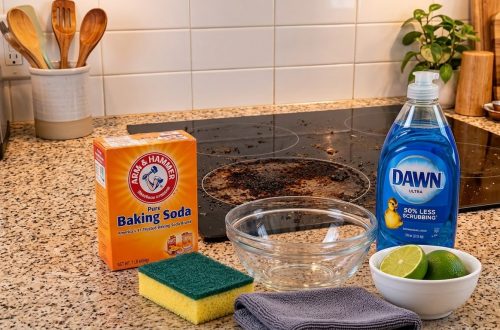
A busy kitchen often means a messy stovetop. Burnt-on food, grease splatters, and stubborn stains can make even the most beautiful glass cooktop look dull and dirty. If you’re tired of scrubbing endlessly with chemical cleaners, this simple DIY method using common household ingredients might be exactly what you need.
It’s an effective, budget-friendly way to tackle tough stovetop grime, bringing back that sparkling clean finish without harsh fumes.
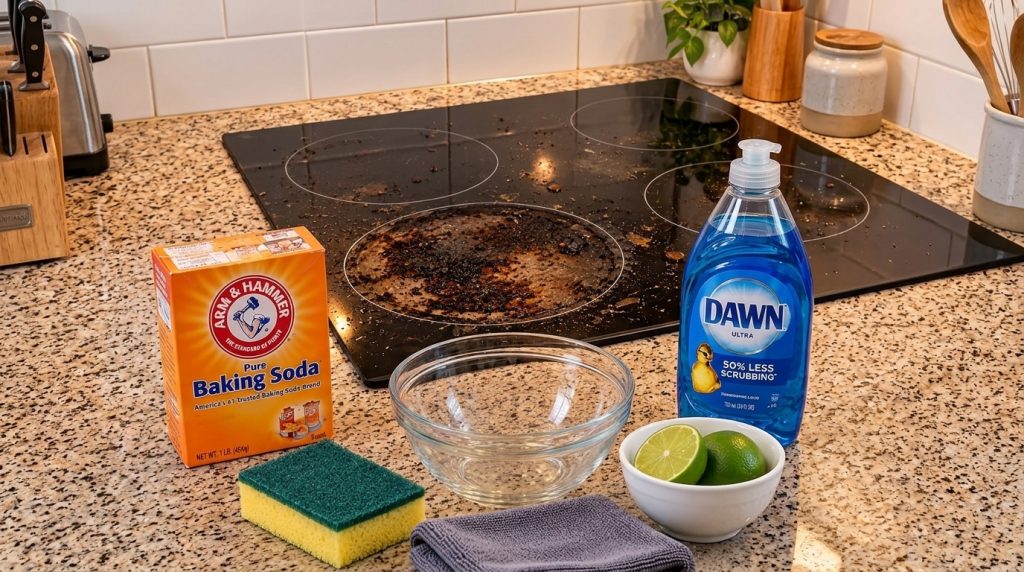
What You’ll Need
- 1/2 cup baking soda
- 2-3 tablespoons liquid dish soap
- 1-2 limes, sliced or halved
- Small mixing bowl
- Scrub sponge
- Microfiber towel
Why This DIY Can Be Useful
This DIY cleaning solution leverages the natural power of common household items:
- Baking Soda: A mild abrasive that helps gently lift stubborn stains and burnt-on food without scratching delicate surfaces like glass cooktops. It’s also excellent at neutralizing odors.
- Dish Soap: Designed to cut through grease and oil, making it perfect for breaking down sticky residues on your stovetop.
- Lime: The citric acid in lime acts as a natural degreaser and mild disinfectant. When combined with baking soda, it creates a fizzing action that can help dislodge grime, leaving a fresh scent and a streak-free shine.
How to Make It
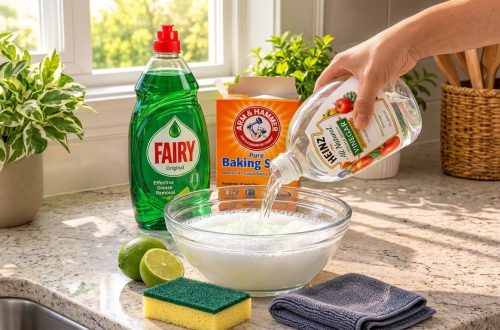
- In your small mixing bowl, combine the 1/2 cup of baking soda and 2-3 tablespoons of liquid dish soap.
- Stir well with a spoon or your finger until it forms a thick, spreadable paste. Adjust the consistency by adding a little more baking soda or dish soap if needed. It should be thick enough to cling to the stovetop surface.
How to Use It
- Ensure your stovetop is completely cool before you begin.
- Spread the baking soda and dish soap paste evenly over the entire soiled surface of your glass stovetop. Pay extra attention to areas with heavy burnt-on food or stubborn stains.
- Let the paste sit and work its magic for at least 15-30 minutes. For really tough spots, you can let it sit for up to an hour.
- After the waiting time, take one of your sliced or halved limes and use it as a natural scrubber. Gently rub the lime over the pasted areas, focusing on the grime. The acid in the lime will react with the baking soda and dish soap, helping to break down the dirt.
- Once you’ve scrubbed with the lime, use a damp scrub sponge to further clean the surface, applying gentle pressure.
- Wipe away all the paste and loosened grime with the damp microfiber towel. Rinse the towel frequently to ensure you’re not just spreading dirt around.
- Finish by wiping the stovetop with a clean, dry microfiber towel to buff it to a streak-free shine.
What to Expect
You can expect a significantly cleaner, shinier stovetop, free from most everyday grease and burnt-on food. For extremely old or deeply etched stains, multiple applications or longer soaking times might be necessary. The natural acidity of the lime also helps to reduce streaks, leaving a brilliant finish.
Helpful Tips
- Clean Regularly: The best way to avoid tough stains is to clean spills as soon as the stovetop cools down.
- For Extra Power: If you have very tough spots, you can sprinkle a little extra dry baking soda directly onto the spot before applying the paste and scrubbing with the lime.
- Use Warm Water: When rinsing your microfiber towel, using warm water can help dissolve grease more effectively.
Important Notes / Safety
- Always ensure your stovetop is completely cool before applying any cleaning agents to prevent burns and damage to the surface.
- Avoid using abrasive scrubbers like steel wool, which can scratch glass cooktops. Stick to soft sponges or the natural lime.
- While these ingredients are generally safe, avoid getting the paste into burner elements or electronic controls.
- Always rinse the stovetop thoroughly to remove all cleaning residue, preventing any potential build-up or discoloration over time.