Who knew making bakery-quality potato buns could be this simple? Get ready to say goodbye to store-bought and hello to homemade perfection with our incredibly easy potato buns recipe! These buns aren’t just easy; they’re unbelievably soft, fluffy, and have that subtle hint of potato goodness that makes them absolutely irresistible. Forget complicated bread-making techniques – our “Blend, Bake, Boom!” method simplifies the process, making it accessible for even the most novice bakers. Whether you’re building the ultimate burger, a stacked sandwich, or simply craving a tender dinner roll, these potato buns are your new go-to. They’re golden, they’re tender, and they’re waiting to elevate your next meal!

Why You’ll Love This Easy Potato Buns Recipe
- Incredibly Simple Process: Our unique “Blend, Bake, Boom!” approach simplifies traditional bread making, making it perfect for beginners.
- Bakery-Quality Softness: Thanks to the magic of potatoes, these buns boast an unparalleled tender, fluffy texture that will impress everyone.
- Versatile for Any Meal: Ideal for burgers, pulled pork, deli sandwiches, or simply as a side with your favorite soup or stew.
- Satisfyingly Homemade: There’s nothing quite like the smell and taste of freshly baked bread from your own kitchen.
- Minimal Kneading: While some mixing is required, the dough comes together beautifully with less effort than many traditional bread recipes.
- Family-Friendly: A crowd-pleaser that everyone, from picky eaters to gourmet enthusiasts, will adore.
Ingredients for Easy Potato Buns
Here’s what you’ll need to make these delightful potato buns:
- 1 medium (about 170g) Russet potato, peeled and diced
- ½ cup (120 ml) warm milk (whole or 2%), approximately 105-115°F (40-46°C)
- ½ cup (120 ml) warm water, approximately 105-115°F (40-46°C)
- 2 ¼ teaspoons (7g) active dry yeast (one standard packet)
- ¼ cup (50g) granulated sugar
- 6 tablespoons (85g) unsalted butter, melted
- 1 large egg, at room temperature
- 1 ½ teaspoons (9g) salt
- 3 ½ – 4 cups (420-480g) all-purpose flour, plus more for dusting
- For Egg Wash: 1 large egg + 1 tablespoon water or milk
Ingredient Notes
- Russet Potato: This starchy potato is perfect for a fluffy texture. You can also use Yukon Gold. The cooked potato adds moisture and keeps the buns incredibly tender.
- Warm Liquids: Ensure your milk and water are warm, but not hot, to properly activate the yeast. Too hot will kill the yeast, too cold won’t activate it.
- Active Dry Yeast: This recipe calls for active dry yeast, which needs to be bloomed. If using instant yeast, you can mix it directly with the dry ingredients, but still ensure your liquids are warm.
- Butter: Unsalted butter is preferred to control the salt content. It adds richness and a beautiful golden crust.
- All-Purpose Flour: Standard all-purpose flour works wonderfully here. Bread flour can also be used for a slightly chewier bun.
Equipment You’ll Need
- Large mixing bowl
- Small saucepan (for cooking potato)
- Potato masher or immersion blender/blender
- Measuring cups and spoons
- Stand mixer with dough hook (optional, but highly recommended) or sturdy spoon
- Plastic wrap or a clean kitchen towel
- Baking sheets
- Parchment paper
- Pastry brush (for egg wash)
How to Make The Easiest Potato Buns
Follow these simple steps for perfectly soft and fluffy potato buns:
Step 1: Cook the Potato
- Place the peeled and diced Russet potato in a small saucepan. Cover with cold water and bring to a boil over medium-high heat.
- Cook until the potato is very tender, about 10-15 minutes. Drain thoroughly.
Step 2: Blend the Potato Mixture
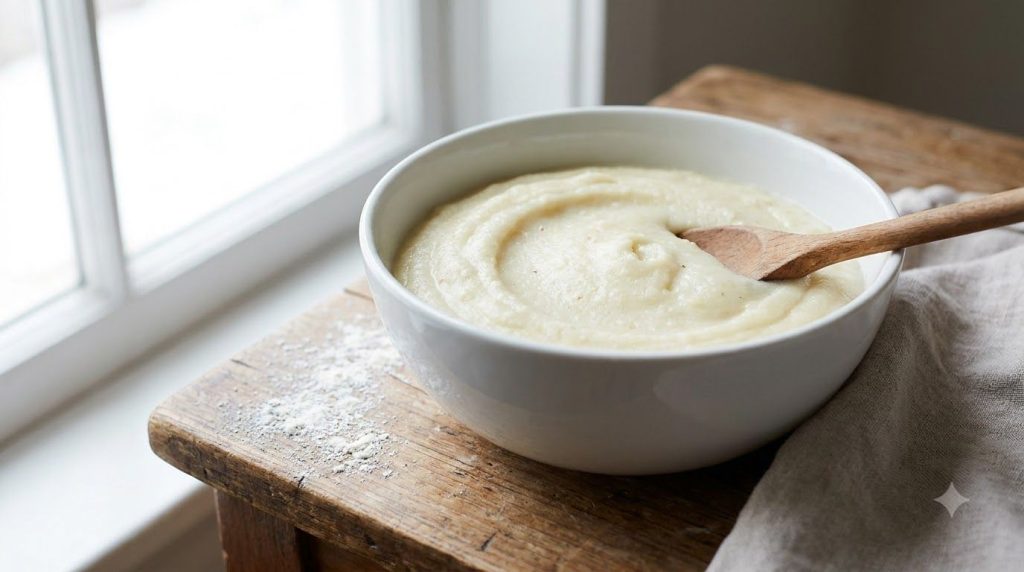
- While the potato is still warm, combine it in a blender (or use an immersion blender in a heatproof bowl) with the warm milk, warm water, and melted butter.
- Blend until completely smooth, like a thick puree. Let this mixture cool down to around 105-115°F (40-46°C). This might take 5-10 minutes.
Step 3: Activate the Yeast
- Pour the cooled potato mixture into a large mixing bowl (or the bowl of a stand mixer).
- Stir in the granulated sugar and active dry yeast. Let it sit for 5-10 minutes, until the mixture becomes foamy. This indicates the yeast is active.
Step 4: Form the Dough
- Add the egg and salt to the yeast mixture, stirring to combine.
- Gradually add the all-purpose flour, 1 cup at a time, mixing with a sturdy spoon or a dough hook on low speed, until a shaggy dough forms.
- Continue to mix or knead for 5-7 minutes until the dough is smooth, elastic, and pulls away from the sides of the bowl. It should be slightly sticky but manageable.
Step 5: First Rise
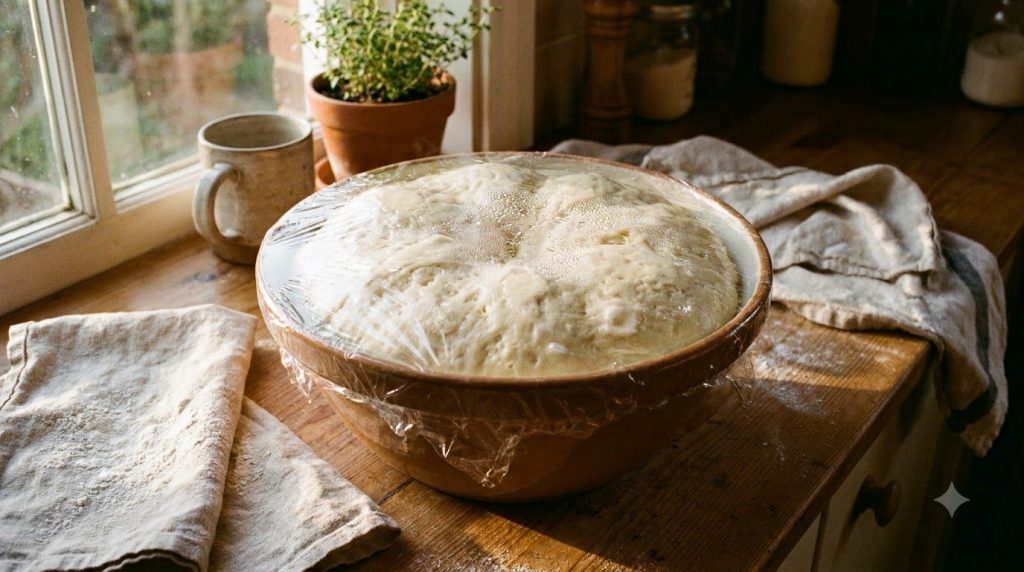
- Lightly grease a large clean bowl with a little oil. Transfer the dough to the bowl, turning it once to coat.
- Cover the bowl with plastic wrap or a clean kitchen towel and let it rise in a warm, draft-free place for 1 to 1 ½ hours, or until doubled in size.
Step 6: Shape the Buns
- Gently punch down the risen dough to release the air.
- Turn the dough out onto a lightly floured surface. Divide the dough into 12 equal pieces (for approximately 3-inch buns). For best results, use a kitchen scale to ensure even sizing.
- Shape each piece into a smooth, tight ball. Tuck the edges underneath to create tension on the top surface.
Step 7: Second Rise
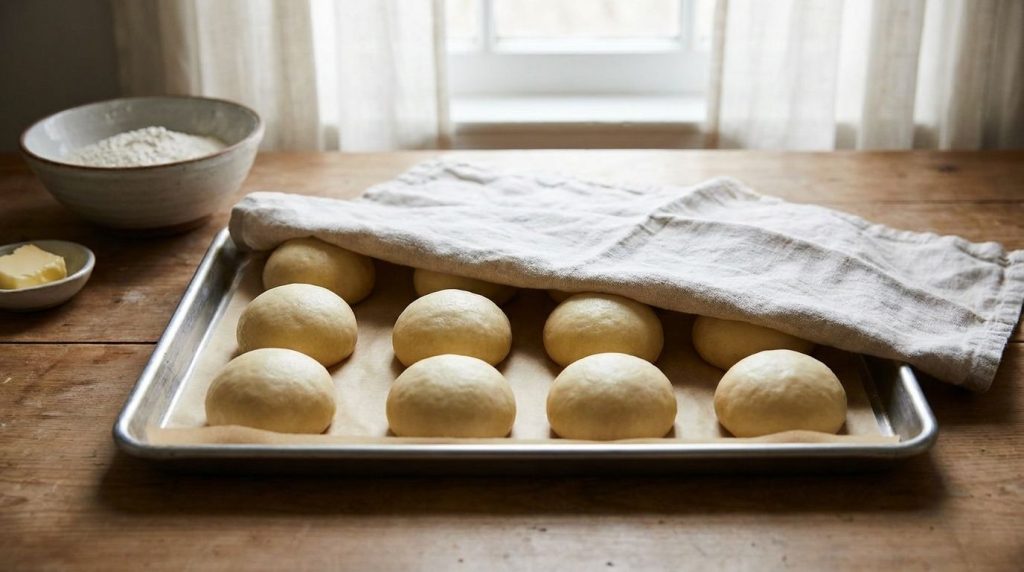
- Line two baking sheets with parchment paper. Arrange the shaped buns on the prepared baking sheets, leaving about 2-3 inches between each bun.
- Cover the baking sheets loosely with plastic wrap or a clean kitchen towel and let the buns rise in a warm, draft-free place for another 30-45 minutes, or until puffy and almost doubled in size.
Step 8: Bake
- Preheat your oven to 375°F (190°C) during the last 15 minutes of the second rise.
- In a small bowl, whisk together 1 large egg with 1 tablespoon of water or milk to create an egg wash.
- Gently brush the tops of the risen buns with the egg wash.
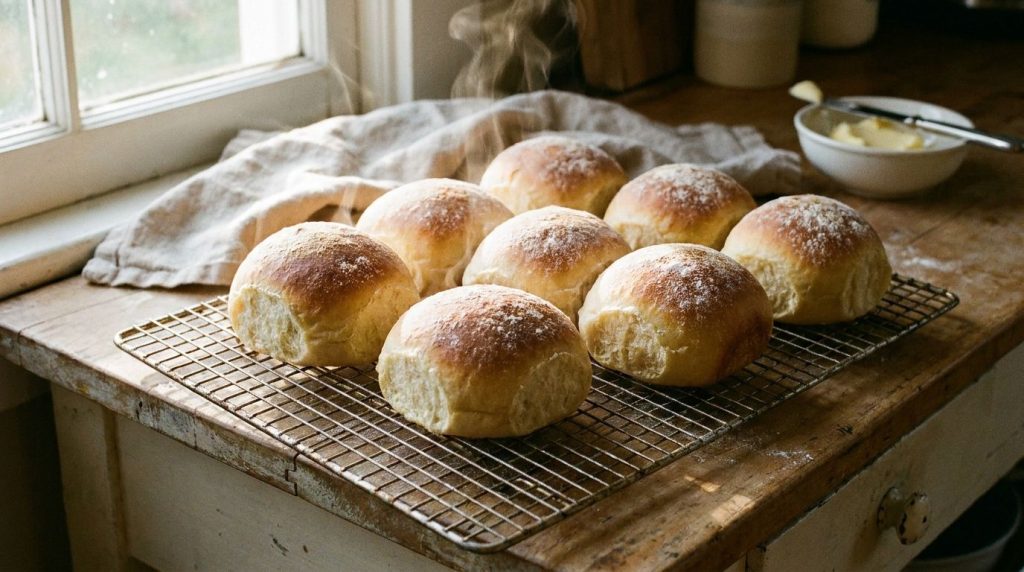
- Bake for 15-20 minutes, rotating the baking sheets halfway through, until the buns are golden brown and sound hollow when tapped on the bottom.
Step 9: Cool
- Once baked, transfer the buns to a wire rack to cool completely before serving. This prevents them from becoming soggy.
Pro Tips for the Best Results
- Don’t Rush the Rise: Allow your dough to rise fully in both stages. This is crucial for a light and airy texture. A warm, humid environment (like a slightly warmed, turned-off oven) can help.
- Proper Potato Preparation: Ensure your potato is very tender and blended completely smooth. Lumps can affect the dough’s texture.
- Check Yeast Activity: Always ensure your yeast foams up with the warm liquids and sugar. If it doesn’t, your yeast might be old, and the dough won’t rise.
- Avoid Over-Flouring: Resist the urge to add too much flour during kneading. A slightly sticky dough is normal and results in a more tender bun. Only add enough extra flour to make the dough manageable.
- Achieve Even Buns: For uniform baking and presentation, use a kitchen scale to divide the dough into equally sized portions before shaping.
- The Egg Wash Difference: Don’t skip the egg wash! It gives the buns that beautiful golden-brown color and a lovely sheen.
- Cool Completely: Always let your buns cool on a wire rack. Cutting into warm bread can release steam and make the interior gummy.
Common Mistakes to Avoid
- Using Water/Milk That’s Too Hot or Cold: This is the most common reason for yeast not activating. Aim for 105-115°F (40-46°C).
- Adding Too Much Flour: Over-flouring leads to dry, dense buns. The dough should be soft and slightly sticky.
- Under-Kneading: Proper kneading develops the gluten, which is essential for the structure and texture of the buns. If using a stand mixer, let it work the dough until it passes the windowpane test (a small piece of dough can be stretched thin enough to see light through it without tearing).
- Not Letting the Dough Rise Enough: An under-proofed dough will result in dense, heavy buns. Be patient and wait until the dough has noticeably increased in volume.
- Crowding the Baking Sheet: Give your buns space to expand during the second rise and baking. If they’re too close, they’ll fuse together and may not bake evenly.
Variations & Substitutions
- Herbed Buns: Add 1-2 teaspoons of dried herbs like rosemary, thyme, or garlic powder to the dough for an aromatic twist.
- Cheese Buns: Mix ½ cup (50g) of shredded cheddar or Parmesan cheese into the dough during the last few minutes of kneading.
- Seed Topping: Before baking, sprinkle the egg-washed buns with sesame seeds, poppy seeds, or everything bagel seasoning for extra flavor and texture.
- Sweet Potato Buns: Substitute an equal amount of cooked and pureed sweet potato for the Russet potato for a subtly sweeter flavor and vibrant color.
- Whole Wheat Blend: For a healthier option, substitute up to 1 cup (120g) of the all-purpose flour with whole wheat flour. Note that this may result in a slightly denser bun.
Serving Suggestions
These easy potato buns are incredibly versatile and perfect for:
- Burgers: The ultimate bun for your next homemade beef, chicken, or veggie burger.
- Sandwiches: Elevate your lunch with soft buns for pulled pork, sloppy joes, chicken salad, or deli meat sandwiches.
- Dinner Rolls: Serve them warm with butter alongside a hearty soup, stew, or pasta dish.
- Breakfast Sandwiches: Use them for egg and cheese or bacon breakfast sandwiches.
- Sliders: Shape them smaller for perfect mini-sandwiches for parties.
Storage & Reheating
- Room Temperature: Store cooled potato buns in an airtight container or a large zip-top bag at room temperature for up to 2-3 days.
- Refrigerator: For longer storage, refrigerate for up to 5 days. They tend to dry out a bit in the fridge, so reheating is recommended.
- Freezer: These buns freeze beautifully! Once completely cooled, place them in a freezer-safe bag or container, removing as much air as possible. They can be frozen for up to 2-3 months.
- Reheating:
- From Room Temperature/Fridge: Briefly warm in the microwave for 15-20 seconds, or wrap in foil and heat in a 350°F (175°C) oven for 5-10 minutes until warmed through.
- From Frozen: Thaw at room temperature for a few hours, then reheat as above. You can also place frozen buns directly into a 350°F (175°C) oven (wrapped in foil) for 15-20 minutes, or until soft and warmed.
FAQ
Can I make this potato bun recipe ahead of time?
Yes, you can prepare the dough up to the first rise, then punch it down, shape the buns, and place them on baking sheets. Cover tightly with plastic wrap and refrigerate overnight. Take them out of the fridge about 1-2 hours before you plan to bake, letting them come to room temperature and complete their second rise.
What kind of potatoes are best for potato buns?
Starchy potatoes like Russet or Idaho are ideal as they break down easily and contribute to the soft, fluffy texture. Yukon Gold can also be used.
Why are my potato buns dense?
Density often comes from too much flour, under-kneading, or not allowing the dough to rise enough during one or both proofing stages. Ensure your yeast is active and you’re not adding excessive flour.
Can I use instant yeast instead of active dry yeast?
Yes, you can! Instant yeast does not require blooming. You can mix it directly with the flour, salt, and sugar, then add the wet ingredients. However, make sure your potato mixture is still warm enough to activate the yeast (105-115°F).
How do I know when the buns are fully baked?
The buns should be a rich golden brown on top and bottom. If you tap the bottom of a bun, it should sound hollow. An internal temperature of 200-210°F (93-99°C) is also a good indicator of doneness.
Can I freeze leftover potato buns?
Absolutely! Once completely cooled, place the buns in a freezer-safe bag or container. They will keep well for up to 2-3 months. Thaw at room temperature and reheat for the best results.
Recipe Card: Easy Potato Buns
Recipe Name: Easy Potato Buns
Short Description: Discover the easiest potato buns recipe for incredibly soft, fluffy homemade rolls perfect for sandwiches, burgers, or as a delightful dinner side. Our “Blend, Bake, Boom!” method simplifies baking, making bakery-quality buns achievable for everyone.
Prep Time: 30 minutes
Cook Time: 15-20 minutes
Total Time: Approximately 2 hours 30 minutes (including rise times)
Servings: 12 buns
Course: Bread, Side Dish
Cuisine: American
Cooking Method: Baking
Ingredients:
- 1 medium (about 170g) Russet potato, peeled and diced
- ½ cup (120 ml) warm milk (whole or 2%), approximately 105-115°F (40-46°C)
- ½ cup (120 ml) warm water, approximately 105-115°F (40-46°C)
- 2 ¼ teaspoons (7g) active dry yeast (one standard packet)
- ¼ cup (50g) granulated sugar
- 6 tablespoons (85g) unsalted butter, melted
- 1 large egg, at room temperature
- 1 ½ teaspoons (9g) salt
- 3 ½ – 4 cups (420-480g) all-purpose flour, plus more for dusting
- For Egg Wash: 1 large egg + 1 tablespoon water or milk
Instructions:
- Cook the Potato: Place the peeled and diced Russet potato in a small saucepan. Cover with cold water and bring to a boil over medium-high heat. Cook until the potato is very tender, about 10-15 minutes. Drain thoroughly.
- Blend the Potato Mixture: While the potato is still warm, combine it in a blender (or use an immersion blender) with the warm milk, warm water, and melted butter. Blend until completely smooth. Let this mixture cool to around 105-115°F (40-46°C).
- Activate the Yeast: Pour the cooled potato mixture into a large mixing bowl. Stir in the granulated sugar and active dry yeast. Let it sit for 5-10 minutes, until the mixture becomes foamy.
- Form the Dough: Add the egg and salt to the yeast mixture. Gradually add the all-purpose flour, 1 cup at a time, mixing until a shaggy dough forms. Continue to mix or knead for 5-7 minutes until the dough is smooth, elastic, and slightly sticky.
- First Rise: Lightly grease a large clean bowl. Transfer the dough, turning to coat. Cover with plastic wrap and let rise in a warm, draft-free place for 1 to 1 ½ hours, or until doubled in size.
- Shape the Buns: Gently punch down the risen dough. Turn it out onto a lightly floured surface. Divide the dough into 12 equal pieces. Shape each piece into a smooth, tight ball.
- Second Rise: Arrange the shaped buns on two parchment-lined baking sheets, leaving space between each. Cover loosely and let rise for another 30-45 minutes, or until puffy.
- Bake: Preheat oven to 375°F (190°C). Whisk 1 large egg with 1 tablespoon water for an egg wash. Gently brush the tops of the risen buns. Bake for 15-20 minutes, rotating sheets halfway, until golden brown.
- Cool: Transfer buns to a wire rack to cool completely before serving.
Notes:
- Ensure your yeast is active for a good rise.
- Don’t over-flour the dough; it should be soft and slightly sticky.
- Cooling the buns completely on a wire rack prevents a gummy texture.
Storage: Store cooled buns in an airtight container at room temperature for 2-3 days, or freeze for up to 2-3 months. Reheat gently for best results.
Nutrition: Nutrition information is an estimate and may vary depending on the ingredients and brands used.