Most people toss these into the compost or trash without a second thought, but what if those humble kitchen scraps held the secret to endless fresh produce and a lighter grocery bill? You might be surprised to learn that many common vegetables can be easily regrown right on your windowsill, transforming waste into a sustainable source of greens.
This isn’t just about eco-friendliness; it’s a practical hack for anyone looking to stretch their food budget and enjoy homegrown freshness without needing a garden plot. From the humble green onion to the leafy crunch of romaine, giving new life to forgotten roots is simpler than you think.
What is Scrap Regrowing?
Scrap regrowing is the process of cultivating new plants from the discarded parts of vegetables, such as root ends, stems, or even seeds. Instead of throwing away what seems like ‘waste,’ you provide the right conditions (usually water and light), and the plant regenerates. This method allows you to enjoy continuous harvests of certain vegetables, essentially creating a mini-garden from your kitchen discards. It’s a fantastic way to reduce food waste, save money, and add a touch of green to your home.
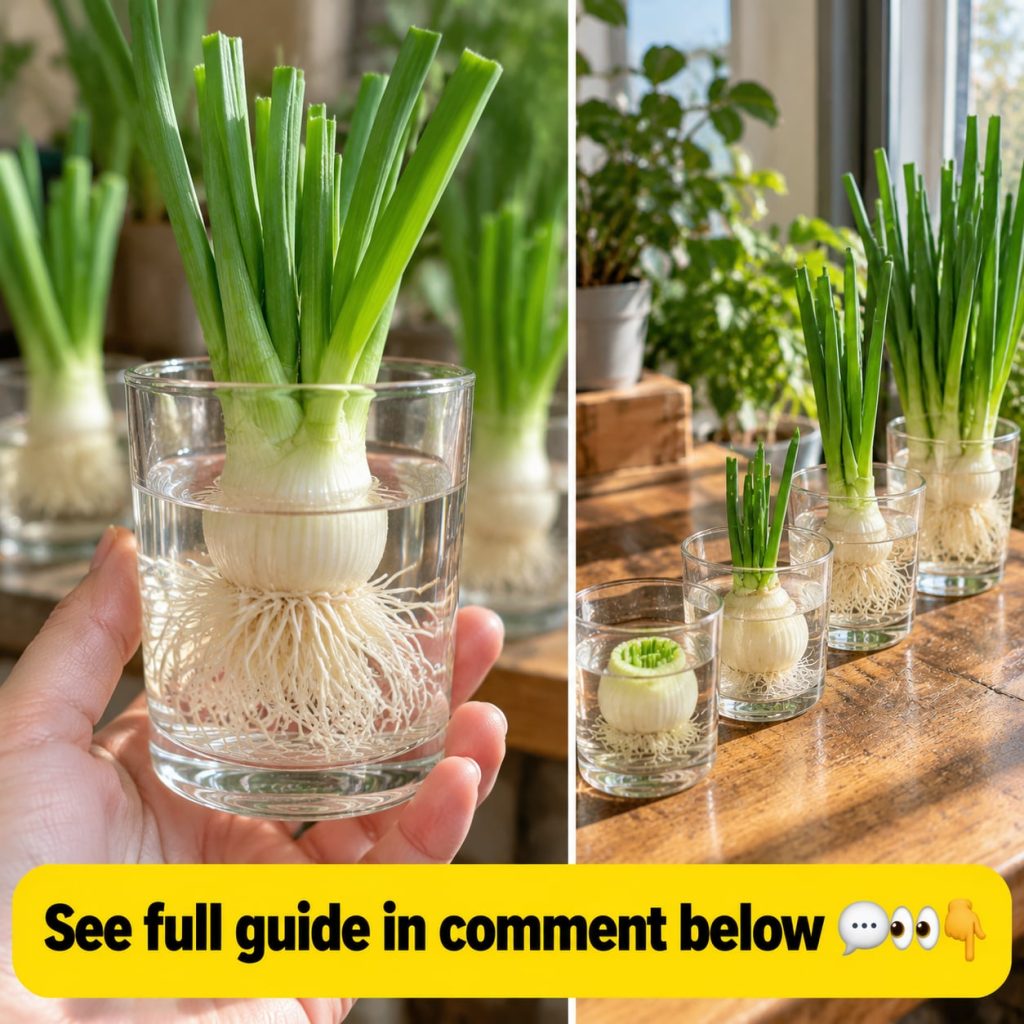
Materials Needed
You don’t need a lot to start your regrowing journey. The beauty of this method lies in its simplicity and minimal requirements. Here’s what you’ll typically need:
- Vegetable Scraps: Healthy, fresh root ends or bases of desired vegetables.
- Small Containers: Glasses, shallow bowls, old yogurt cups, or any small vessel that can hold water.
- Water: Tap water is usually sufficient.
- Sunny Spot: A windowsill or any area that receives ample indirect sunlight.
- Potting Soil (Optional): For transplanting some vegetables once roots develop.
General Regrowing Method
While specific vegetables have their nuances, the basic process for most water-based regrowing is straightforward:
- Prepare Your Scraps: After using the main part of the vegetable, trim the root end or base, ensuring about 1-2 inches remain. For some, like garlic, you’ll use cloves.
- Place in Water: Put the scrap into a small container. Add enough water to cover only the very bottom of the scrap (the root area). Avoid submerging the entire piece, as this can lead to rot.
- Find a Sunny Spot: Place your container in a warm spot with plenty of indirect sunlight. A windowsill is ideal.
- Change Water Regularly: Change the water every 1-2 days to prevent mold and bacterial growth, keeping it fresh and oxygenated.
- Observe Growth: You’ll typically see new roots emerging from the bottom and fresh green shoots from the top within a few days to a week.
- Harvest or Transplant: Once the greens are several inches tall, you can begin harvesting them. For some vegetables, you might transplant them into soil for longer-term growth.
Quick Tip: The Power of Fresh Scraps
The success of your regrowing efforts often hinges on the quality of your initial scraps. Always choose the freshest, healthiest looking root ends or bases. Avoid any that show signs of spoilage, mold, or significant damage, as these are less likely to regenerate successfully. Freshness equals vitality for regrowth!
Specific Vegetable Guides
Green Onions
- How to Prepare: Cut off the white root end, leaving about an inch.
- Method: Place the root end in a small glass with enough water to cover the bottom half.
- Results: New green shoots will appear in a few days. You can harvest the green tops repeatedly, leaving the white base to regrow.
Romaine Lettuce & Celery
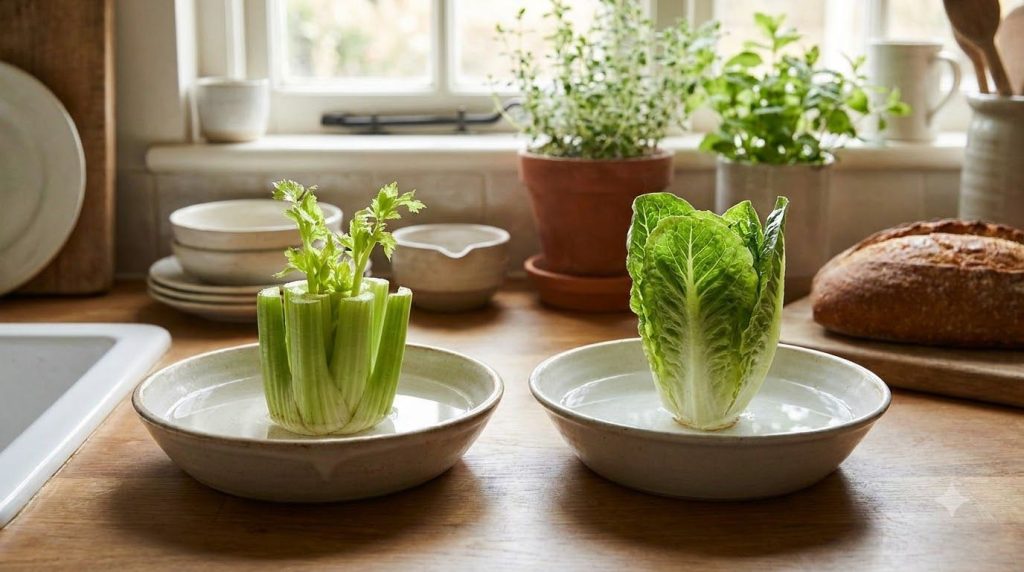
- How to Prepare: Cut off the base, leaving 1-2 inches.
- Method: Place the base in a shallow bowl or saucer with about an inch of water.
- Results: New leaves will sprout from the center. Once significant roots form, transplant into soil for a fuller head.
Garlic
- How to Prepare: Use individual garlic cloves, root-side down.
- Method: Place cloves in a shallow dish with just enough water to cover the very bottom.
- Results: Green shoots (garlic scapes) will emerge. These are milder than garlic bulbs and great in salads or stir-fries.
How Often to Use and Harvest
The beauty of regrowing is its continuous nature. For fast-growing items like green onions, you can typically harvest the outer leaves every 1-2 weeks. For lettuce and celery, once the new growth is substantial (often a few inches), you can harvest outer leaves or wait for a fuller head. The key is to avoid over-harvesting at once, leaving enough of the plant to continue its growth cycle.
For best flavor and sustained growth, aim for regular, smaller harvests rather than stripping the plant bare. This encourages the plant to put energy into producing more greens.
How to Choose Your Scraps
The success of your regrowing project begins at the grocery store. Look for vegetables that are:
- Fresh and Firm: Avoid wilted, soft, or discolored scraps.
- Undamaged: Ensure the root end or base is intact and free from cuts or bruises that could lead to rot.
- Organic (Preferred): While not strictly necessary, organic vegetables often have fewer pesticides, which might lead to healthier regrowth.
Storage During Regrowth
During the regrowing process, your ‘storage’ is essentially maintaining the plant in its optimal environment. Keep your containers:
- Out of Direct, Scorching Sunlight: While light is good, too much direct, intense sun can cook the delicate new growth. Indirect bright light is best.
- Away from Drafts: Consistent temperatures are better for growth.
- In a Clean Environment: Keep the area around your growing scraps clean to prevent pests or mold.
Practical Tips for Success
- Water Quality Matters: While tap water is fine, filtered water might give better results in some areas.
- Don’t Drown Them: Only cover the very bottom of the scrap with water. Too much water leads to rot.
- Patience is Key: Some vegetables take longer than others to show growth. Don’t give up after a couple of days!
- Consider Soil: For longer-term growth and a more robust harvest, transplanting into soil after roots develop is often beneficial.
Water vs. Soil Regrowing
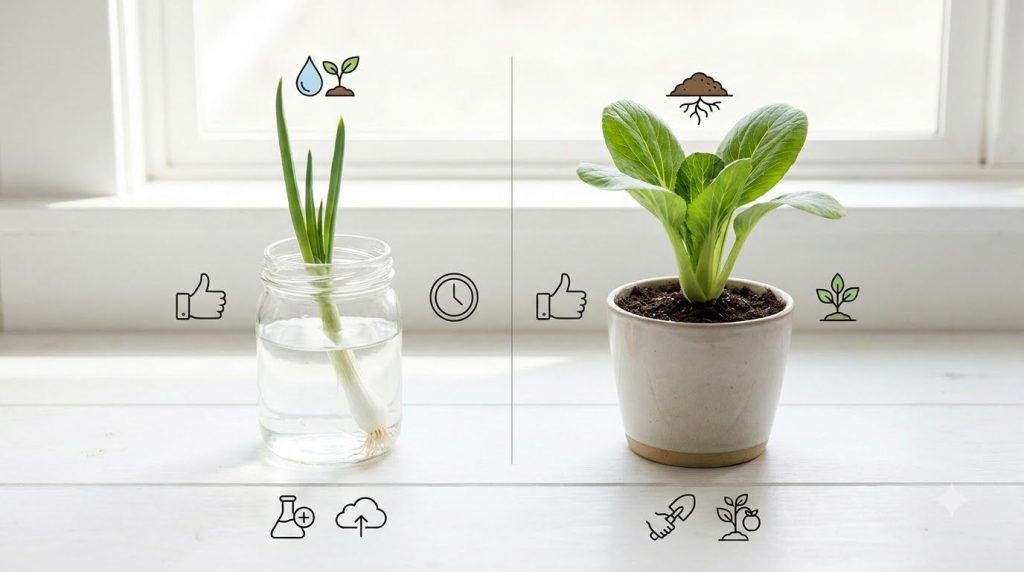
| Feature | Water Regrowing | Soil Regrowing (After Water Start) |
|---|---|---|
| Ease of Start | Very easy, minimal supplies | Slightly more effort to transplant |
| Maintenance | Frequent water changes (every 1-2 days) | Less frequent watering, requires nutrients |
| Longevity | Shorter lifespan, limited nutrients | Longer-term growth, more robust plants |
| Harvest Size | Smaller, more frequent snipping | Potentially larger, fuller harvests |
| Mess Factor | Can develop algae if water not changed | Requires pots and soil, can be messier |
Common Mistakes to Avoid
- Using Spoiled Scraps: If the base looks unhealthy, it won’t regrow well.
- Not Changing Water: Stagnant water quickly leads to rot, mold, and unpleasant smells.
- Drowning the Scraps: Too much water submerging the entire scrap suffocates it.
- Lack of Sunlight: Plants need light to photosynthesize and grow.
- Ignoring Temperature: Extremely cold or hot spots can hinder growth.
- Over-Harvesting: Taking too much at once can deplete the plant’s energy reserves.
Cautions / Who Should Avoid It
Regrowing vegetables is generally very safe, but keep these points in mind:
- Hygiene: Always wash your hands and containers thoroughly to prevent bacterial growth.
- Mold: If you see any mold developing on your scraps or in the water, discard them immediately. Do not consume moldy plants.
- Pesticide Residue: If using non-organic produce, thoroughly wash the scraps before beginning.
Quick Summary
Regrowing vegetables from scraps is a simple, cost-effective, and waste-reducing practice. Best for fast-growing greens like green onions, romaine, and celery. Simply place healthy root ends in shallow water in a sunny spot, changing the water daily. Harvest regularly but sparingly. Avoid using spoiled scraps, stagnant water, or insufficient light for best results.
FAQ
Q: Can I use fresh or dried scraps?
A: Always use fresh scraps. Dried or wilted pieces generally won’t regrow.
Q: How long does it take to see results?
A: Most vegetables will show roots or new shoots within 3-7 days. Some may take up to two weeks.
Q: How often should I change the water?
A: Change the water every 1-2 days to keep it fresh and prevent mold.
Q: Can I refrigerate the regrowing scraps?
A: No, keep them at room temperature in a sunny spot. Refrigeration will halt growth.
Q: When should I transplant to soil?
A: Once robust roots (1-2 inches long) have developed and you have significant new green growth, transplanting to soil can lead to larger, healthier plants.
Q: What part of the vegetable is best for regrowing?
A: Typically, the root end or the very base of the plant is used, as this is where the growth hormones and stored energy are concentrated.
Q: Can I reuse the water?
A: No, always use fresh water when changing it to avoid the buildup of bacteria and algae.
Q: When should I avoid regrowing a particular scrap?
A: If the scrap is soft, discolored, smells off, or shows any signs of mold, it’s best to discard it and not attempt to regrow.
Ready to Grow Your Own?
Embracing scrap regrowing is more than just a fun kitchen experiment; it’s a tiny step towards a more sustainable and self-sufficient lifestyle. Imagine fresh green onions for your stir-fries or crisp lettuce for your salads, all grown from something you would have otherwise thrown away. It’s a rewarding process that connects you more deeply with your food and proves that even the smallest efforts can yield fresh, flavorful results.
So, the next time you finish off a bunch of green onions or a head of romaine, pause before you discard the base. You might just be holding the beginning of your next fresh harvest. Give it a try, and enjoy the endless possibilities of regrowing!
Read more: Discover the Benefits of DIY Herbal Teas
You may also like: Our Guide to Composting for Beginners