Most people eagerly await mulberry season for the sweet, juicy fruit, completely unaware that the real powerhouse for wellness grows right alongside them: the leaves. While the berries get all the fame, herbalists and traditional health practitioners have long recognized the potent properties locked within mulberry leaves. Far from just a decorative green, these leaves are packed with compounds that can support your well-being in surprising ways. It’s time to look beyond the fruit and uncover the practical benefits of this often-overlooked natural remedy.
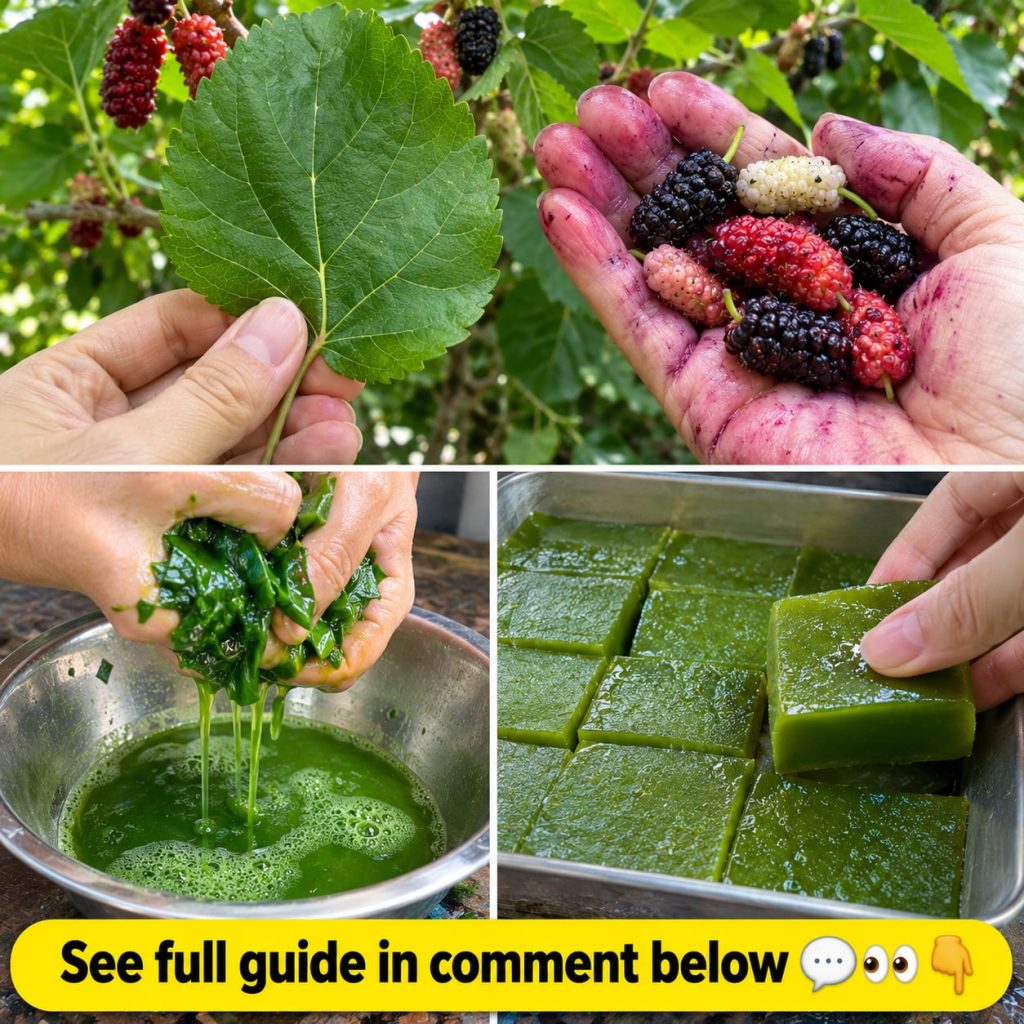
What Are Mulberry Leaves?
Mulberry leaves come from the mulberry tree (Morus alba, Morus rubra, or Morus nigra, among others), a fast-growing tree cultivated in many parts of the world. For centuries, these leaves have been a staple in traditional medicine systems, particularly in Asian cultures, where they are used for everything from supporting balanced blood sugar to promoting skin health. Unlike the fruit, the leaves offer a distinct nutritional profile, boasting vitamins, minerals, and unique antioxidants.
The Simple Remedy: Mulberry Leaf Tea
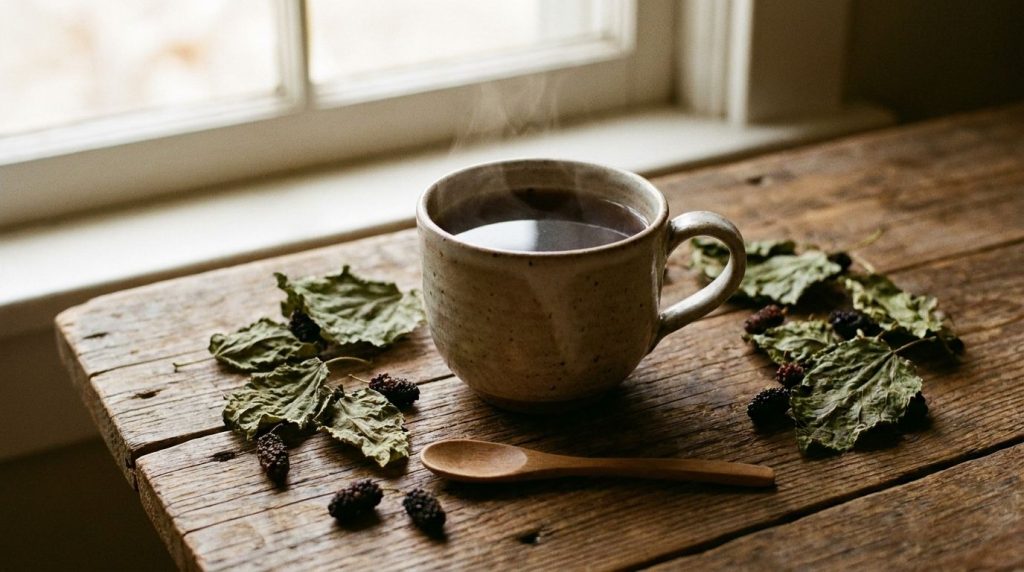
One of the easiest and most effective ways to harness the benefits of mulberry leaves is by brewing them into a soothing tea. This preparation method allows for gentle extraction of the beneficial compounds, creating a mild, earthy beverage that can be enjoyed daily.
Ingredients
- Fresh mulberry leaves OR dried mulberry leaves
- Water
Approximate Measurements
- For Fresh Leaves: 5-7 medium-sized leaves (approximately 10-15 grams)
- For Dried Leaves: 1-2 teaspoons (approximately 2-4 grams)
- Water: 1 cup (240 ml)
Formula / Recipe: Mulberry Leaf Infusion
Making mulberry leaf tea is straightforward, whether you’re using fresh or dried leaves. The goal is a gentle infusion, not a harsh boil, to preserve the delicate compounds.
Step-by-Step Method
- Preparation: If using fresh leaves, rinse them thoroughly under cool running water to remove any dirt or insects. Gently pat them dry. For dried leaves, simply measure out the desired amount.
- Shredding (Optional, for fresh leaves): For better extraction, you can gently tear or roughly chop fresh leaves. This increases the surface area.
- Heating the Water: Bring 1 cup of fresh water to a boil in a small pot or kettle.
- Infusion: Once the water reaches a rolling boil, remove it from the heat. Add the prepared mulberry leaves (fresh or dried) to the hot water.
- Steeping: Cover the pot or cup to trap the steam and let the leaves steep for 5-10 minutes. For a stronger brew, steep longer, but avoid exceeding 15 minutes to prevent bitterness.
- Straining: Strain the tea into a mug, discarding the leaves.
- Serve: Enjoy your mulberry leaf tea warm. You can add a squeeze of lemon or a touch of honey if desired, though many prefer its natural, subtle flavor.
How to Use Mulberry Leaf Tea
Mulberry leaf tea is primarily consumed as a beverage for its internal benefits. It can be enjoyed on its own or as part of a daily wellness routine. Some also use cooled tea as a hair rinse for scalp health or as a facial toner, though internal consumption is the most common application.
How Often to Use
For general wellness support, drinking 1-2 cups of mulberry leaf tea per day is a common practice. It can be enjoyed in the morning or evening. Consistency is key to experiencing the potential benefits.
How to Buy / How to Choose Ingredients
Sourcing quality mulberry leaves is crucial for an effective and safe remedy.
- Fresh Leaves: If harvesting yourself, ensure the trees are free from pesticides and pollution. Choose young, vibrant green leaves that are free from blemishes or damage. Harvest in the morning after dew has evaporated.
- Dried Leaves: Purchase from reputable herbal suppliers or organic health stores. Look for products labeled as organic and free from additives or fillers. The leaves should have a pleasant, earthy aroma and retain some green color. Avoid any product that looks discolored, dusty, or has an off smell.
Quick Tip: Fresh vs. Dried
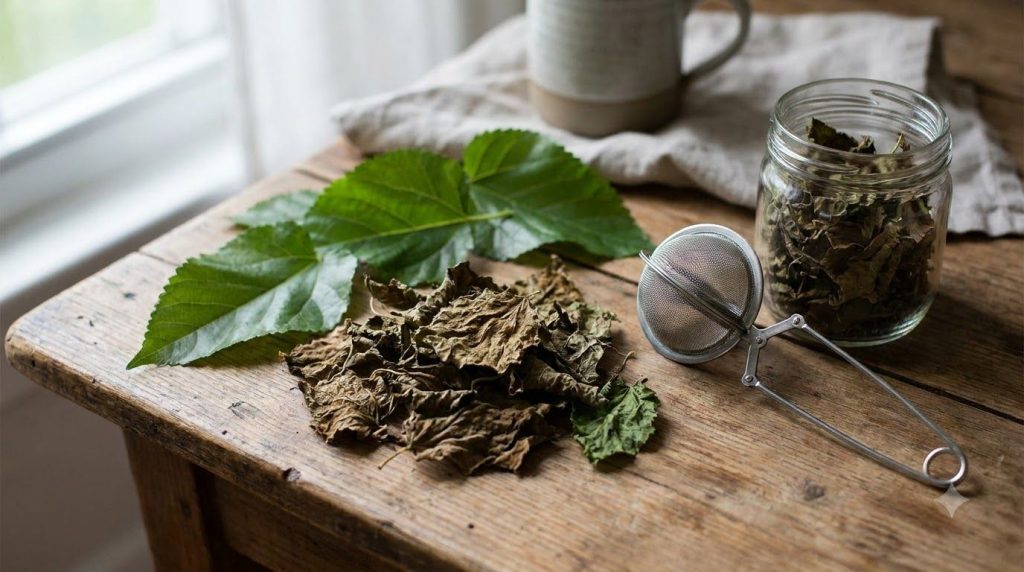
While fresh leaves offer the most direct connection to the plant, dried leaves are often more convenient and provide a consistent potency. Drying concentrates the beneficial compounds, making dried leaves a potent option for tea.
| Feature | Fresh Mulberry Leaves | Dried Mulberry Leaves |
|---|---|---|
| Availability | Seasonal (spring/summer) | Year-round |
| Preparation | Requires rinsing, may need chopping | Ready to use |
| Potency | Slightly less concentrated by weight | More concentrated by weight |
| Flavor | Milder, slightly grassier | More earthy, robust |
| Storage | Short-term (refrigerated) | Long-term (airtight container) |
Storage
- Fresh Leaves: Store fresh, unwashed leaves in a loosely sealed bag in the refrigerator for up to 3-5 days. For longer storage, you can gently wash, pat dry, and then air-dry them completely before storing in an airtight container away from direct sunlight.
- Dried Leaves: Store dried mulberry leaves in an airtight container (glass jars are ideal) in a cool, dark, and dry place. Properly stored, they can maintain their potency for up to 1 year. Avoid exposure to light, heat, and moisture, which can degrade their quality.
Practical Tips
- Temperature Matters: Avoid boiling dried leaves directly on the stove, as high heat can destroy some delicate compounds. Always use just-boiled water and then steep off the heat.
- Adjust to Taste: If the tea is too strong or too mild, adjust the steeping time or the amount of leaves used in subsequent brews.
- Combine with Other Herbs: Mulberry leaf tea has a relatively neutral flavor, making it a good base for blending with other beneficial herbs like ginger, cinnamon, or mint for added flavor and properties.
- Consider Organic: Always choose organic mulberry leaves, whether fresh or dried, to avoid pesticide residues.
Common Mistakes
- Using Sprayed Leaves: Harvesting leaves from trees treated with pesticides can introduce harmful chemicals into your tea. Always ensure your source is clean.
- Boiling Too Long: Over-boiling the leaves can diminish their beneficial compounds and lead to a more bitter taste. Gentle steeping is preferred.
- Improper Drying: If drying your own fresh leaves, ensure they are completely dry before storage to prevent mold growth.
- Misidentification: While mulberry leaves are distinctive, always be 100% certain of plant identification if harvesting wild plants.
- Storing in Humid Conditions: Moisture is the enemy of dried herbs, leading to spoilage and loss of potency.
Cautions / Who Should Avoid It
While generally considered safe for most people, there are a few considerations:
- Pregnancy and Breastfeeding: There is limited research on the safety of mulberry leaf tea during pregnancy and breastfeeding. It’s best to consult a healthcare provider before use.
- Diabetes Medication: Mulberry leaves may impact blood sugar levels. If you are taking medication for diabetes, monitor your blood sugar closely and consult your doctor before incorporating mulberry leaf tea into your routine.
- Allergies: Individuals with known allergies to mulberries or related plants should exercise caution.
- Surgery: Due to potential effects on blood sugar, discontinue use at least two weeks before any scheduled surgery.
Always consult with a healthcare professional before starting any new herbal remedy, especially if you have underlying health conditions or are taking medications.
Quick Summary
Mulberry leaf tea is a simple, effective way to enjoy the hidden benefits of mulberry leaves. It’s best prepared by steeping fresh or dried leaves in hot water for 5-10 minutes. Store dried leaves in an airtight container for up to a year. Avoid using sprayed leaves or over-boiling. Consult a doctor if pregnant, breastfeeding, or on diabetes medication.
FAQ
- Can I use fresh or dried mulberry leaves for tea?
Yes, both fresh and dried leaves can be used. Dried leaves are often more potent by weight due to concentrated compounds. - How long does mulberry leaf tea last once brewed?
It’s best to consume the tea fresh. You can refrigerate any leftover tea in an airtight container for up to 24 hours, but the flavor and potency may diminish. - What part of the mulberry plant is best for tea?
The leaves are specifically used for tea. While the fruit is edible, it has a different nutritional profile. - Can I reuse the leaves for a second brew?
You can try, but the second brew will likely be much weaker in flavor and beneficial compounds. It’s generally recommended to use fresh leaves for each cup. - When is the best time to drink mulberry leaf tea?
You can drink it any time of day. Some prefer it in the morning, while others enjoy it in the evening. If sensitive to new foods, try it after a meal. - Can I eat mulberry leaves raw?
While not typically eaten raw in large quantities, young, tender mulberry leaves can be added to salads or smoothies in moderation. However, brewing them as tea is the most common and traditional method of consumption.
You may also like: The Full Guide to Making a Soothing Ginger Tea.
Mulberry leaves are far more than just food for silkworms; they are a truly remarkable gift from nature, offering a simple yet potent path to supporting your daily health. By embracing this humble leaf, you’re tapping into centuries of traditional wisdom and a wealth of natural compounds. So, next time you see a mulberry tree, remember the hidden superfood within its leaves. Brew a cup, savor its gentle flavor, and let nature’s understated power work its magic.
Read more: Top Natural Remedies for Digestive Health.