Most people ignore the root when they think of Echinacea, picturing only its vibrant purple petals. But what if the true power of this well-known plant lies hidden beneath the soil, a secret passed down through generations and often shared by those closest to us? Just like a neighbor once revealed to me, the humble Echinacea root holds potent compounds that can transform your approach to everyday wellness.
This isn’t about vague herbal folklore; it’s about practical applications for a common plant. We’ll dive into how to harness the root’s benefits, from sourcing the best ingredients to preparing effective remedies, ensuring you get the most out of this powerful plant part.
What it is: Echinacea Root
Echinacea, specifically Echinacea purpurea, Echinacea angustifolia, and Echinacea pallida, is a genus of herbaceous flowering plants in the daisy family. While the flowers and leaves have their uses, the roots are traditionally considered the most concentrated source of its beneficial compounds. These roots contain a complex array of active substances, including alkylamides, caffeic acid derivatives, and polysaccharides, which are believed to support various body systems.
Often used in traditional wellness practices, Echinacea root is valued for its unique properties. It’s not a ‘cure-all’ but a supportive ingredient that can be integrated into a proactive approach to well-being.
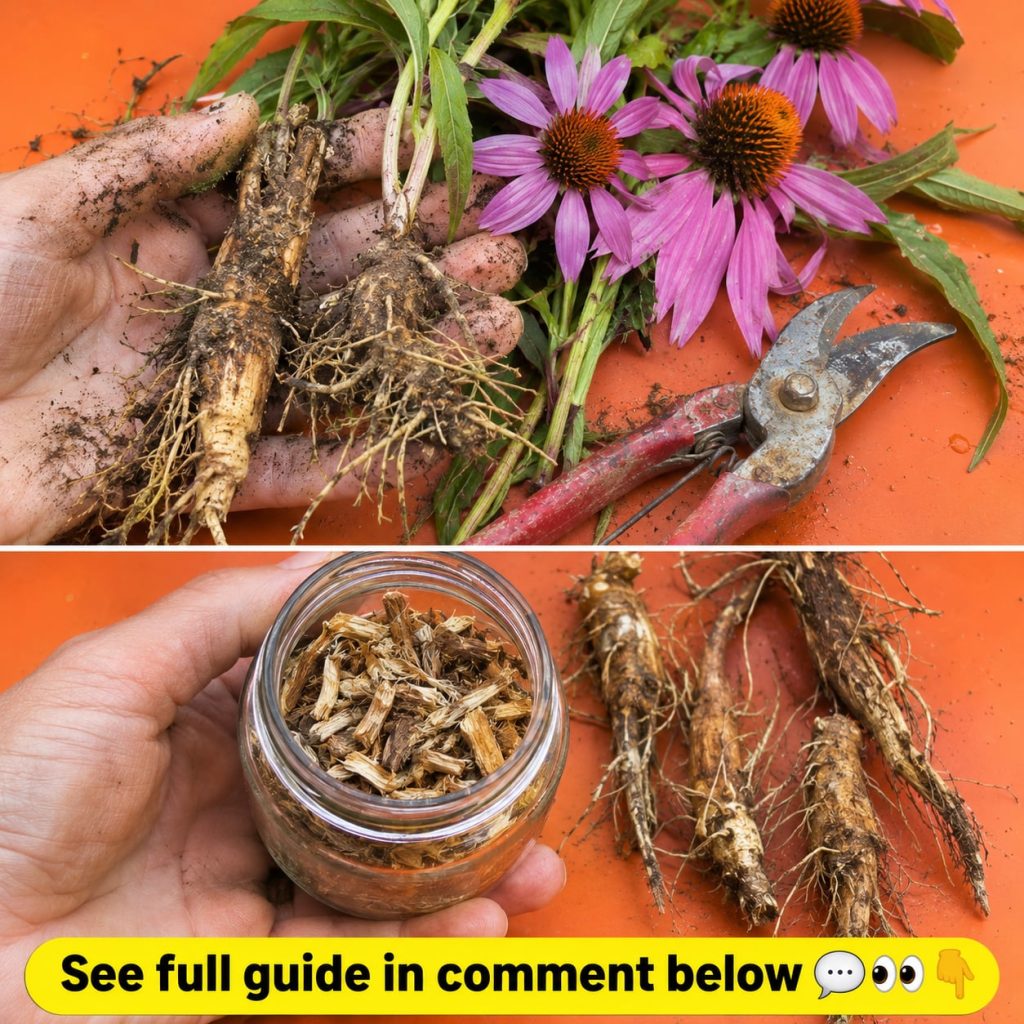
Ingredients for Echinacea Root Tea (Decoction)
The simplest and most common way to use Echinacea root for its benefits is by preparing a decoction, essentially a strong tea made by simmering the roots. This method helps extract the harder-to-reach compounds from the dense root material.
- Dried Echinacea Root: 1-2 teaspoons of chopped or sliced dried root
- Water: 8-10 ounces (about 1 cup) of filtered water
Approximate Measurements
For a standard cup of Echinacea root tea, aim for 1-2 teaspoons of dried root. If using fresh root, you’ll generally need about twice the amount, around 2-4 teaspoons, as fresh root contains more water. Always start with the lower amount and adjust based on your needs and how your body responds.
Formula / Recipe: Echinacea Root Decoction
This recipe focuses on creating a potent decoction, ideal for direct consumption.
Step-by-Step Method
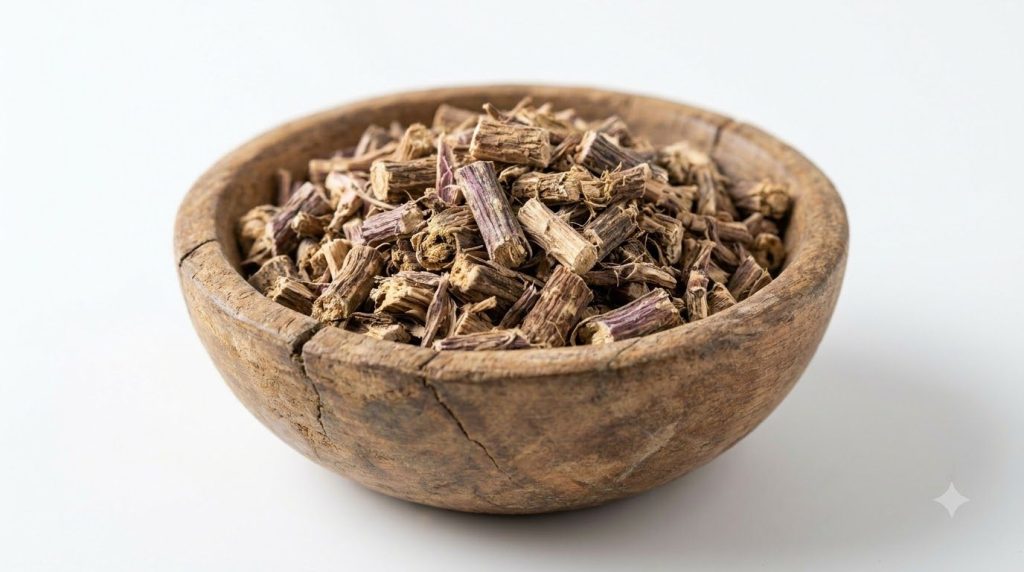
- Prepare the Root: If your dried Echinacea root is not already chopped or sliced, gently break it into smaller pieces. Smaller pieces allow for better extraction.
- Combine: Place the 1-2 teaspoons of dried Echinacea root into a small saucepan.
- Add Water: Pour 8-10 ounces of filtered water over the root material.
- Simmer: Bring the water to a boil, then immediately reduce the heat to a low simmer. Cover the saucepan and let it gently simmer for 10-15 minutes. Simmering helps extract the robust compounds from the root that boiling alone might not achieve.
- Strain: Remove the saucepan from the heat. Allow it to cool slightly, then strain the liquid through a fine-mesh sieve into a mug, discarding the root pieces.
- Serve: Your Echinacea root tea is ready to drink.
Quick Tip: Enhance the Flavor
Echinacea root tea can have an earthy, slightly bitter taste. To make it more palatable, consider adding a slice of lemon, a teaspoon of honey, or a pinch of cinnamon after straining, when the tea has cooled slightly.
How to Use
Drink the prepared Echinacea root tea warm. It can be consumed on its own or as part of a wellness routine. Some people prefer to sip it slowly, savoring the earthy notes.
How Often to Use
For general wellness support, many people use Echinacea for short periods, such as 7-10 days at a time, taking breaks in between. For example, you might drink one cup daily for a week, then take a week off. It’s generally not recommended for continuous long-term daily use without consulting a practitioner. Always listen to your body and adjust as needed.
How to Buy / How to Choose Ingredients
Quality is key when it comes to herbal remedies. When purchasing Echinacea root, look for:
- Reputable Suppliers: Choose organic, non-GMO dried root from trusted herbal suppliers to ensure it’s free from pesticides and contaminants.
- Whole or Cut Root: Whole pieces indicate less processing, but pre-cut root is convenient. Avoid powdered forms unless specifically needed, as powders can sometimes be adulterated or lose potency faster.
- Aroma: Good quality dried root should have a distinct, slightly earthy scent.
Fresh vs. Dried Echinacea Root: A Comparison
Understanding the differences between fresh and dried root can help you choose the best option for your needs.
| Feature | Fresh Echinacea Root | Dried Echinacea Root |
|---|---|---|
| Availability | Seasonal (late summer/fall), often requires home cultivation or specialty growers | Year-round, widely available from herbal suppliers |
| Potency | Believed by some to contain a broader spectrum of volatile compounds; higher water content | Concentrated, easier to store, compounds are stable when properly dried |
| Preparation | Requires more processing (cleaning, chopping); often used for tinctures or fresh juicing | Ready for use in teas, decoctions, or tinctures; easy to measure |
| Storage | Limited shelf life, must be used quickly or preserved (e.g., tinctured) | Long shelf life when stored properly |
Storage
Proper storage ensures your Echinacea root maintains its potency and prevents spoilage.
- Dried Root: Store in an airtight container (glass jar is ideal) in a cool, dark, dry place away from direct sunlight and humidity. It can last for 1-2 years.
- Prepared Tea: Any leftover tea should be refrigerated in a sealed container and consumed within 24-48 hours. It’s best to make a fresh batch for optimal benefits.
Practical Tips
- Source Sustainably: If harvesting wild Echinacea, ensure it’s done ethically and legally, as some species are threatened. Purchasing from reputable growers is often the best choice.
- Consider Tinctures: For a more concentrated form, Echinacea root tinctures are widely available or can be made at home with alcohol. This allows for longer shelf life and precise dosing.
- Listen to Your Body: Pay attention to how your body reacts. If you experience any discomfort, discontinue use.

Common Mistakes
- Boiling Instead of Simmering: Boiling aggressively can damage some delicate compounds. A gentle simmer is crucial for proper extraction from roots.
- Using the Wrong Part: While the whole plant has uses, remedies specifically calling for root will be less effective if you only use leaves or flowers.
- Storing Improperly: Leaving dried root exposed to light, air, or moisture will degrade its potency quickly.
- Overusing: Some herbalists suggest that continuous long-term use of Echinacea might reduce its effectiveness over time. Short, pulsed use is often recommended.
Cautions / Who Should Avoid It
While generally considered safe for most people, Echinacea root is not for everyone:
- Autoimmune Conditions: Individuals with autoimmune disorders (e.g., lupus, rheumatoid arthritis) should consult a healthcare professional before using Echinacea, as it might stimulate the immune system.
- Allergies: People allergic to plants in the daisy family (e.g., ragweed, marigolds, chrysanthemums) may also be allergic to Echinacea.
- Medication Interactions: Echinacea may interact with certain medications, including immunosuppressants. Always discuss with your doctor if you are on medication.
- Pregnancy and Breastfeeding: It is generally recommended that pregnant or breastfeeding women avoid Echinacea due to insufficient research on its safety in these populations.
- Children: Consult a pediatrician before giving Echinacea to young children.
Quick Summary
- Best Preparation: Decoction (simmered tea) for dried root.
- Best Use-Case: Short-term support as part of a wellness routine.
- Storage: Dried root in airtight, dark, dry place; tea refrigerated for up to 48 hours.
- When to Use: Pulsed use (e.g., 7-10 days on, then off).
- What to Avoid: Aggressive boiling, improper storage, continuous long-term use, and use if you have autoimmune conditions or allergies to daisy family plants.
FAQ
- Can I use fresh or dried Echinacea root?
Both can be used, but dried root is more readily available and concentrated. If using fresh, you’ll need roughly twice the amount. - How long does dried Echinacea root last?
When stored properly in a cool, dark, airtight container, dried root can last 1-2 years. - Can I refrigerate Echinacea root tea?
Yes, prepared tea can be refrigerated for up to 24-48 hours, but it’s best consumed fresh. - How often should I use Echinacea root tea?
Many practitioners recommend short-term, pulsed use, such as one cup daily for 7-10 days, followed by a break. - What part of the Echinacea plant is best?
For the properties discussed, the root is traditionally considered the most potent part. - Can I reuse the roots after making tea?
No, after simmering for 10-15 minutes, most of the beneficial compounds have been extracted, so reusing them will result in a much weaker tea. - When should I avoid Echinacea root?
Avoid if pregnant, breastfeeding, have an autoimmune condition, or are allergic to daisy family plants. Consult a doctor if you are on medications.
Conclusion
Unlocking the power of Echinacea root, as many traditional practices and even curious neighbors have shown, offers a valuable addition to your natural wellness toolkit. By understanding how to properly prepare, use, and store this remarkable plant, you can confidently integrate its benefits into your life. It’s a simple, yet profound, way to connect with the wisdom of the earth and support your well-being.
You may also like: Read more about other immune-supporting herbal teas.
Related remedy: See our full guide on crafting a potent ginger-turmeric tonic.