Welcome, fellow garden lovers! Have you ever wondered if you’re pruning your plants correctly? Or perhaps you’ve been hesitant to pick up those shears, fearing you might do more harm than good? Well, fear not! Pruning is an essential practice for healthy plant growth, and it’s a skill every gardener can master. Think of it as nature’s healing touch – guiding your plants to thrive, bloom, and produce their best.
Today, we’re diving deep into the art and science of pruning. We’ll cover everything from the basics to specific techniques, ensuring you feel confident and ready to give your green companions the trim they deserve. Let’s get started on cultivating healthier, happier plants together!
What is Pruning and Why Do We Do It?
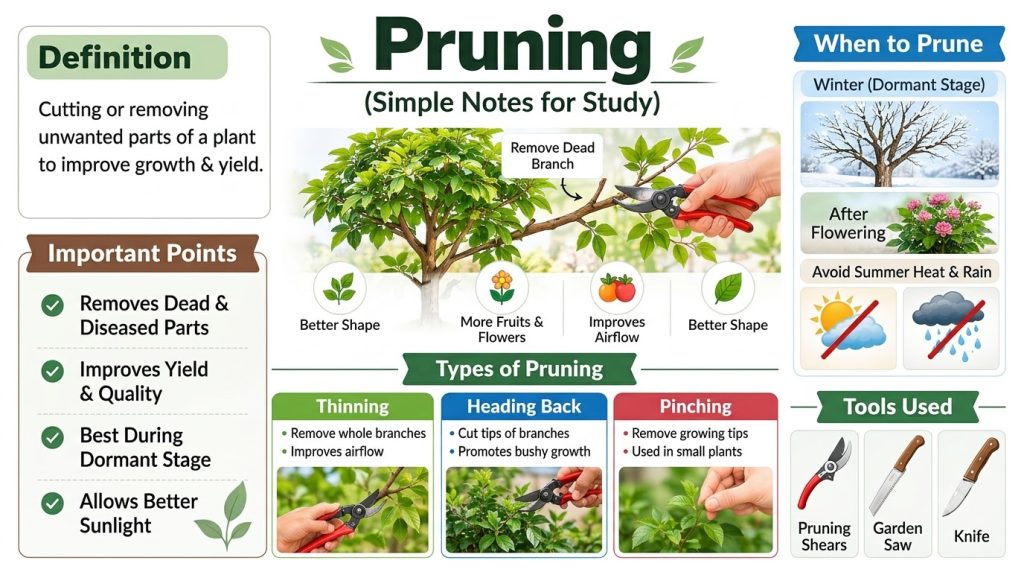
At its core, pruning is the selective removal of plant parts, such as branches, buds, or roots. It might seem counterintuitive to cut away parts of a living plant, but this practice serves several vital purposes:
- Health: Removing dead, diseased, or damaged branches prevents the spread of disease and pests, allowing the plant to direct energy to healthy growth.
- Shape and Structure: Pruning helps maintain a desired shape, controls size, and improves the overall structural integrity of the plant, especially for trees and shrubs.
- Fruiting and Flowering: Proper pruning can stimulate flower and fruit production, leading to more abundant harvests and vibrant blooms.
- Air Circulation and Light Penetration: Thinning out dense growth improves air circulation, reducing the risk of fungal diseases, and allows more sunlight to reach inner branches.
- Rejuvenation: For older, overgrown plants, rejuvenation pruning can stimulate new, vigorous growth.
Types of Pruning Cuts and Techniques
Knowing how to make the right cut is just as important as knowing when and what to cut. Here are the main types of pruning techniques:
1. Heading Back
This involves cutting back a branch or stem to a bud or a smaller side branch. It encourages bushier growth and can be used to control the size and shape of a plant. When you make a heading cut, always cut above an outward-facing bud to encourage growth away from the center of the plant.
2. Thinning Out
Thinning cuts involve removing an entire branch or stem back to its origin (main stem, trunk, or ground level). This technique is used to reduce density, improve air circulation, and allow more light into the plant’s interior. It’s often used to remove weak or crossing branches.
3. Deadheading
Specifically for flowering plants, deadheading is the removal of spent flowers. This encourages the plant to produce more blooms instead of putting energy into seed production. It keeps your garden looking tidy and extends the flowering season.
4. Pinching
Pinching is a gentle form of heading back, typically done with your fingers or small snips on herbaceous plants. It involves removing the soft tips of new growth to encourage branching and a bushier habit.
The Golden Rules of Pruning: Timing and Tools
When to Prune: The Right Season
Timing is crucial in pruning. Pruning at the wrong time can stress the plant, reduce flowering, or even lead to disease. Generally:
- Late Winter/Early Spring (Dormant Season): This is the ideal time for most deciduous trees and shrubs. Without leaves, it’s easier to see the plant’s structure, and pruning stimulates vigorous new growth when spring arrives. Avoid pruning spring-flowering shrubs now, as you’ll cut off their flower buds.
- After Flowering: For spring-flowering shrubs (like lilacs, rhododendrons, and azaleas), prune them immediately after their blooms fade. This allows them to set buds for the following year.
- Summer: Light pruning can be done in summer to remove suckers, water sprouts, or minor shaping. Avoid heavy pruning, as it can stress plants during hot weather and reduce their ability to photosynthesize.
- Fall: Generally, avoid heavy pruning in the fall, especially in colder climates. New growth stimulated by fall pruning might not harden off before winter, making it susceptible to frost damage.
Always research the specific pruning needs of your plants, as there can be exceptions!
Essential Pruning Tools
Having the right tools makes all the difference:
- Hand Pruners (Bypass Pruners): Your go-to for small branches (up to 3/4 inch thick). Bypass pruners, which operate like scissors, are best for clean cuts that heal well.
- Loppers: For thicker branches (up to 1 1/2 to 2 inches thick). Their long handles provide leverage for easier cutting.
- Pruning Saw: Essential for branches larger than 2 inches in diameter. Choose between bow saws, folding saws, or pole saws for higher branches.
- Hedge Shears: Best for shaping hedges and creating formal forms, not for precise branch removal.
- Safety Gear: Always wear gloves and eye protection to prevent injuries from sharp tools and flying debris.
Remember to keep your tools clean and sharp. Dull tools can damage branches, making them more vulnerable to disease. Sterilize your tools with rubbing alcohol or a bleach solution (1 part bleach to 9 parts water) between plants, especially when pruning diseased material, to prevent disease spread.
Pruning Tips for a Beautiful Garden
- Start Small: When in doubt, make smaller cuts. You can always remove more, but you can’t put it back!
- Observe Your Plant: Take a moment to step back and assess the plant’s overall health and structure before making any cuts. Identify dead, diseased, or crossing branches first.
- Make Clean Cuts: Always make clean, precise cuts. Avoid leaving stubs, as these can become entry points for pests and diseases.
- Don’t Over-Prune: Removing too much foliage at once can shock the plant. A general rule is to remove no more than 25-30% of the plant’s total growth in a single season.
- Prune for Airflow: Prioritize removing branches that are growing inwards, rubbing against each other, or creating overly dense areas.
Pruning is a rewarding aspect of gardening that connects you deeper with your plants. It’s an act of care that promotes their vitality and longevity, allowing them to flourish and bring even more beauty to your garden. So, grab your sharpest pruners, step outside, and give your plants the gift of a good trim. Happy gardening!