Most people have never seen a fruit quite like it. With its unassuming green exterior, the Black Sapote hides a secret within: a creamy, intensely dark pulp that looks astonishingly like chocolate pudding. But this intriguing tropical fruit isn’t just a culinary curiosity; it holds unexpected benefits for both your diet and your beauty routine, making it a true natural wonder worth exploring. If you’ve ever wondered about nature’s more unusual offerings, the Black Sapote is about to surprise you.
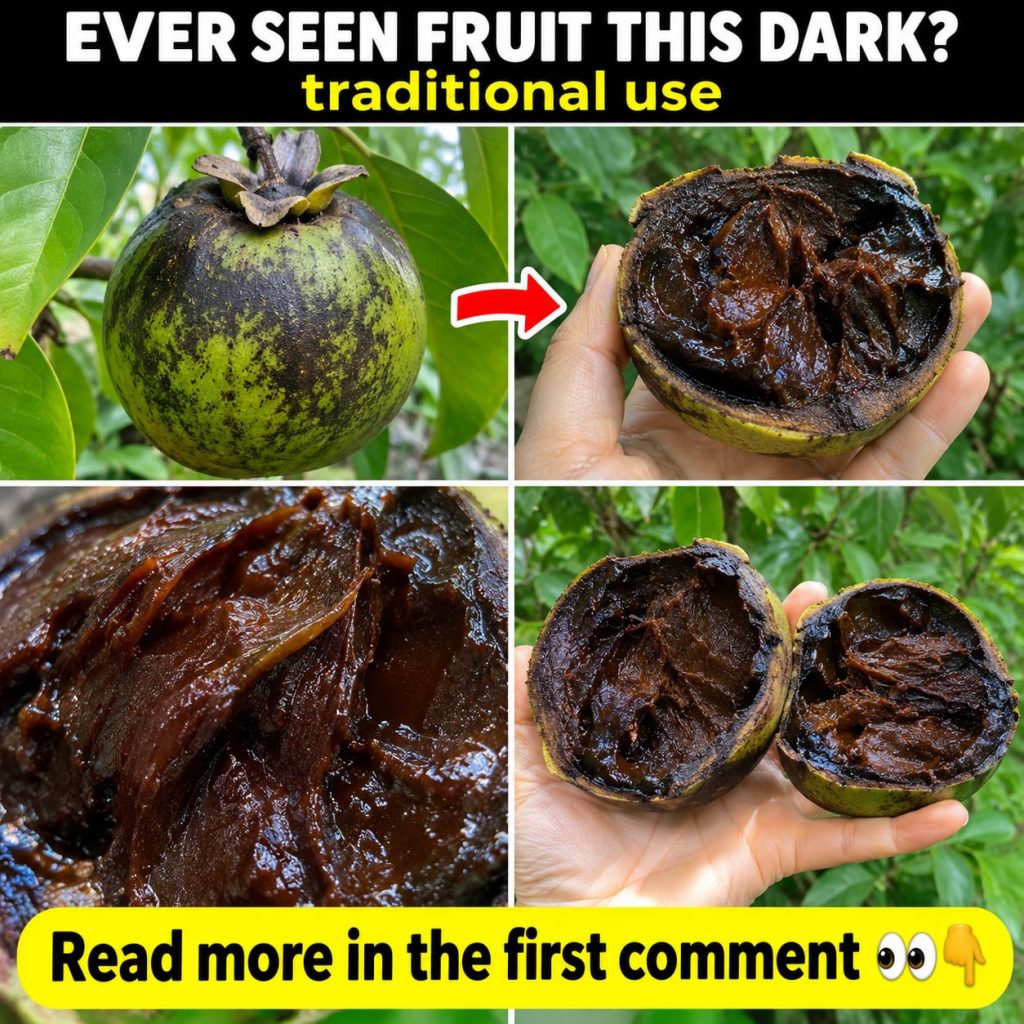 The striking appearance of the Black Sapote pulp often leads to its nickname: ‘chocolate pudding fruit.’
What is Black Sapote?
The Black Sapote, scientifically known as Diospyros nigra, is a tropical fruit native to eastern Mexico, Central America, and Colombia. It belongs to the persimmon family. While its skin remains an olive-green color even when ripe, it’s the interior that truly earns its famous nickname: the ‘chocolate pudding fruit.’ When perfectly ripe, the flesh transforms into a soft, gelatinous, almost black pulp with a mild, sweet flavor often compared to custard or, of course, chocolate pudding, but without the actual cocoa content.
Historically, indigenous cultures have utilized Black Sapote not only as a food source but also for its various traditional applications. Beyond its unique taste and texture, this fruit is surprisingly rich in nutrients, offering a bounty of vitamins, minerals, and antioxidants that make it a fascinating ingredient for both internal nourishment and external beauty treatments.
The Black Sapote Secret for Skin and Sweet Treats
This fruit’s dark secret isn’t just its color; it’s its versatility. Forget just eating it; Black Sapote is also gaining traction in DIY beauty for its potential to nourish and revitalize the skin. Its unique composition, including vitamins A and C, makes it an interesting candidate for natural skincare.
DIY Black Sapote Nourishing Face Mask
For those looking to harness the Black Sapote’s goodness for a radiant complexion, a simple face mask can be a game-changer. This mask aims to hydrate, provide antioxidant benefits, and leave your skin feeling soft and refreshed.
Ingredients
- 1/4 cup ripe Black Sapote pulp
- 1 tablespoon raw honey
- 1 teaspoon plain yogurt (optional, for added probiotics and exfoliation)
- A few drops of Vitamin E oil (optional, for extra nourishment)
Approximate Measurements
These measurements are for a single application. Adjust slightly based on the consistency you prefer for your mask.
Formula / Recipe
Combine the ingredients in a small bowl until a smooth, spreadable paste forms.
Step-by-Step Method
- Harvest/Prepare the Pulp: Ensure your Black Sapote is very ripe. Cut it in half and scoop out the dark pulp, discarding any seeds.
- Combine Ingredients: In a non-metallic bowl, mash the Black Sapote pulp until smooth. Add the raw honey and yogurt (if using).
- Mix Thoroughly: Stir all ingredients together until you achieve a uniform, creamy consistency. If adding Vitamin E oil, mix it in now.
- Patch Test: Before applying to your entire face, do a small patch test on your inner arm to check for any sensitivities.
Black Sapote Chocolate-Free Dessert Pudding
For a deliciously healthy treat that tastes indulgent without the actual chocolate, this simple pudding highlights the fruit’s natural sweetness and texture.
Ingredients
- 1/2 cup ripe Black Sapote pulp
- 1/4 cup unsweetened plant-based milk (almond, oat, or coconut work well)
- 1/2 teaspoon vanilla extract
- Pinch of cinnamon or nutmeg (optional)
- Sweetener to taste (maple syrup, agave, or stevia, optional)
Approximate Measurements
This makes one serving. Double or triple for more.
Formula / Recipe
Blend all ingredients until smooth and creamy.
Step-by-Step Method
- Prepare Pulp: Scoop out the ripe Black Sapote pulp into a blender or food processor.
- Add Liquids & Flavorings: Pour in the plant-based milk, vanilla extract, and any optional spices or sweeteners.
- Blend Until Smooth: Process until the mixture is completely smooth and resembles a thick pudding.
- Chill: Transfer to a small bowl or ramekin and chill in the refrigerator for at least 30 minutes before serving for best texture.
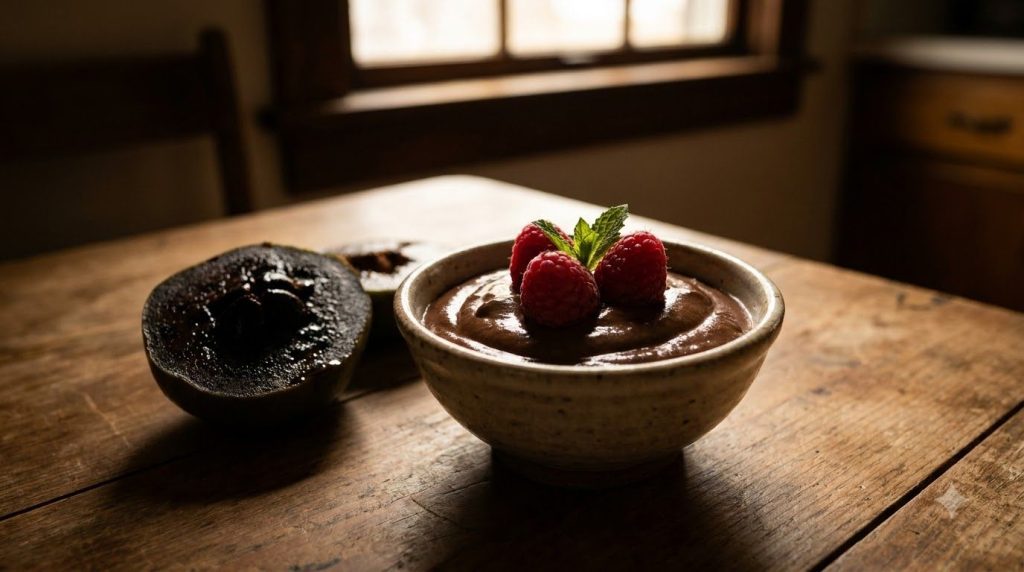 Enjoy the natural sweetness of Black Sapote in a simple, chocolate-free dessert.
How to Use
For the Face Mask
Apply a thin, even layer of the Black Sapote mask to clean, dry skin. Avoid the delicate eye area. Leave on for 10-15 minutes, then rinse thoroughly with lukewarm water. Pat your face dry and follow with your regular moisturizer.
For the Dessert Pudding
Enjoy the chilled Black Sapote pudding as a healthy snack or a light dessert. It’s delicious on its own or can be topped with nuts, seeds, fresh fruit, or a sprinkle of shredded coconut.
How Often to Use
Face Mask
For most skin types, using the Black Sapote face mask 1-2 times per week is sufficient. If you have very sensitive skin, start with once a week and observe how your skin reacts.
Dessert Pudding
The Black Sapote pudding can be enjoyed whenever you crave a healthy, sweet treat. It’s a great way to incorporate more fruit into your diet.
How to Buy / How to Choose Ingredients
Finding ripe Black Sapote can be the trickiest part. Look for fruits that are deep olive-green, sometimes with brown blotches, and feel very soft to the touch, similar to an overripe avocado. A ripe Black Sapote will yield easily to gentle pressure. If it’s firm, it’s not ready yet.
For other ingredients like honey and yogurt, choose raw, organic honey and plain, unsweetened yogurt for the best natural benefits. Always opt for high-quality, fresh ingredients for both culinary and cosmetic applications.
Quick Tip: Ripening Your Sapote
If you buy firm Black Sapote, place it in a paper bag with a banana or apple. The ethylene gas produced by these fruits will accelerate the ripening process. Check daily!
Storage
Black Sapote Fruit
Unripe: Store at room temperature until soft. This can take several days to over a week.
Ripe: Once ripe, Black Sapote is highly perishable. Store it in the refrigerator for up to 2-3 days. You can also scoop out the pulp and freeze it in an airtight container for up to 6 months.
Prepared Face Mask
It’s best to prepare the face mask fresh for each use. If you have any leftover, store it in an airtight container in the refrigerator for no more than 24 hours. Discard anything beyond that to prevent bacterial growth.
Prepared Dessert Pudding
Store the Black Sapote pudding in an airtight container in the refrigerator for up to 2-3 days.
Practical Tips
- Patience is Key: Don’t rush to eat or use Black Sapote before it’s perfectly ripe. An unripe fruit will be astringent and unpleasant.
- Seed Removal: The fruit contains large, flat seeds. Be sure to remove them completely before mashing the pulp for recipes or masks.
- Natural Sweetener: If using Black Sapote in sweet recipes, you might find it naturally sweet enough and require little to no added sugar.
- Consistency Check: For the face mask, adjust the thickness with a tiny bit more yogurt or honey if it’s too thin, or a tiny bit of water if too thick.
Common Mistakes
Here’s the part most people skip:
MistakeWhy It’s a ProblemThe FixUsing Unripe FruitAstringent taste and unpleasant texture; won’t provide desired benefits.Wait until the fruit is very soft to the touch, almost squishy.Storing at Room Temp (Ripe)Extremely perishable; will spoil quickly if not refrigerated.Refrigerate immediately once ripe, or freeze the pulp.Applying Mask to Dirty SkinReduces efficacy; can trap impurities.Always cleanse your face thoroughly before applying any mask.Leaving Mask on Too LongCan lead to skin irritation, especially with acidic ingredients.Stick to the recommended 10-15 minutes.
Cautions / Who Should Avoid It
While Black Sapote is generally safe for consumption and topical use, a few cautions apply:
- Allergies: As with any new food or topical ingredient, there’s always a possibility of an allergic reaction. Conduct a patch test for the mask and consume a small amount first if you’ve never tried the fruit before.
- Sensitive Skin: If you have extremely sensitive skin, even natural ingredients can cause irritation. Proceed with caution and observe your skin’s reaction closely.
- Unripe Fruit: Do not consume unripe Black Sapote. Its astringent properties can be very unpleasant.
Quick Summary
Black Sapote, the ‘chocolate pudding fruit,’ offers versatile benefits. For skin, a nourishing face mask (pulp + honey + yogurt) applied 1-2 times weekly can hydrate and provide antioxidants. For a sweet treat, blend the ripe pulp with plant-based milk for a healthy, chocolate-free pudding. Always ensure the fruit is fully ripe for best taste and effectiveness, and store ripe fruit or prepared remedies in the refrigerator.
FAQ
- Can I use frozen Black Sapote pulp? Yes, frozen pulp works wonderfully for smoothies, puddings, and even face masks. Thaw before use for masks.
- How do I know if a Black Sapote is ripe? It should feel very soft, almost mushy, to the touch, similar to an overripe tomato or avocado. The skin may also show some brown spots.
- How long does ripe Black Sapote last? Once ripe, it lasts only 2-3 days in the refrigerator. It’s best consumed or used promptly.
- Is Black Sapote really like chocolate? It has a similar dark color and creamy texture, but its flavor is milder and sweeter, more like a custard with subtle notes of caramel. It does not contain actual cocoa.
- Can pregnant women eat Black Sapote? Generally, ripe Black Sapote is considered safe to eat during pregnancy as part of a balanced diet. However, always consult with your healthcare provider for specific dietary advice.
- What part of the Black Sapote is used? Only the inner dark pulp is used; the skin and seeds are discarded.
- Can I use the face mask on my body? Yes, you can use the mask on other areas of your body, like the neck or décolletage, following the same application and patch test guidelines.
Conclusion
The Black Sapote truly is nature’s hidden gem, offering a delightful culinary experience and unexpected benefits for your skincare routine. From a nourishing mask to a guilt-free dessert, this ‘chocolate pudding fruit’ proves that sometimes the most extraordinary remedies come from the most unassuming sources. Embrace its dark secret and let its natural goodness enhance your well-being, inside and out.