Tackling Unwanted Intruders: A Simple DIY Home Spray
Finding unwanted guests like pests in your home can be incredibly unsettling. Whether you’re dealing with a sudden appearance of ants, occasional spiders, or a more serious issue like bed bugs, the desire to reclaim your clean and comfortable living space is immediate. While severe infestations, especially of persistent pests like bed bugs, almost always require professional help, a simple DIY spray can offer a first line of defense or a natural deterrent for minor issues.
This homemade spray can help address small pest problems with ingredients you likely already have, offering a quick and accessible solution for maintaining a hygienic environment.
What You’ll Need
Materials
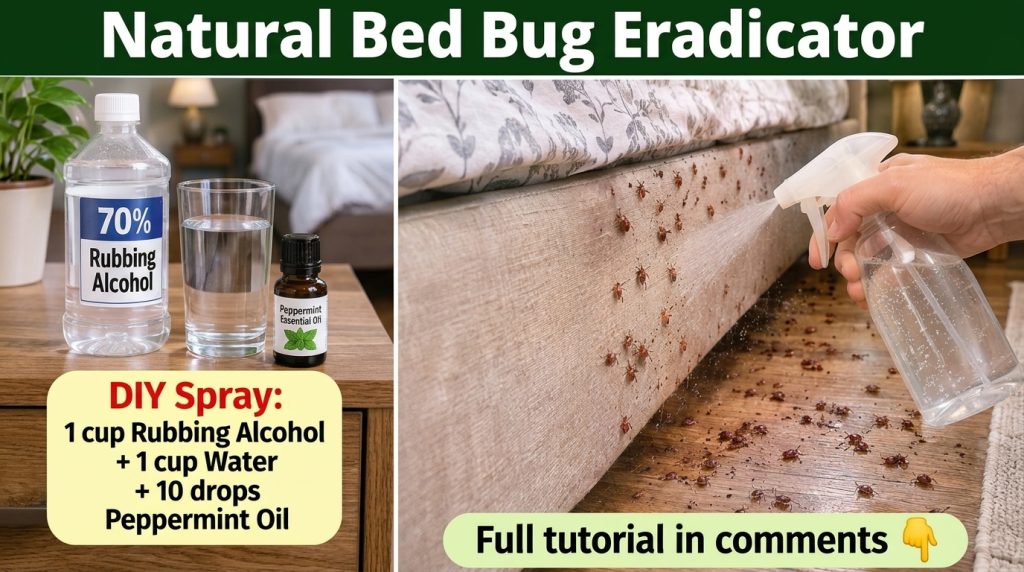
- 1 cup 70% Isopropyl Rubbing Alcohol
- 1 cup Water
- 10-15 drops Lavender Essential Oil (optional, for scent and mild deterrence)
- 10-15 drops Peppermint Essential Oil (optional, for scent and mild deterrence)
Tools
- One clean, empty plastic spray bottle (at least 16 oz capacity)
- Measuring cup
Why This DIY Can Be Useful
This DIY spray leverages the properties of common household items. Isopropyl alcohol can act as a contact killer for some soft-bodied insects by dissolving their outer waxy coating, leading to dehydration. When used for cleaning, it also evaporates quickly, leaving little residue. The essential oils, particularly lavender and peppermint, are often used in natural pest deterrents due to their strong scents, which many insects find unpleasant.
While this spray can be effective for direct contact with some pests or as a general deterrent, it’s crucial to understand its limitations, especially for serious infestations like bed bugs.
How to Make It
- Carefully measure 1 cup of 70% isopropyl rubbing alcohol and pour it into your clean spray bottle.
- Add 1 cup of water to the bottle.
- If desired, add 10-15 drops each of lavender and peppermint essential oils. The essential oils are optional but can add a pleasant scent and some mild deterrent properties.
- Securely fasten the spray nozzle onto the bottle.
- Gently shake the bottle to ensure the ingredients are well combined.
How to Use It
- For General Pests (e.g., ants, occasional spiders): Spray directly onto visible pests. For areas where pests frequently appear, such as along baseboards, windowsills, or cracks, you can lightly mist the surface. Reapply as needed.
- For Dust Mites: Lightly mist bedding, mattresses, and upholstered furniture. Allow to air dry completely.
- For Minor Bed Bug Sightings (as a temporary measure only): If you spot a bed bug, you can spray it directly to kill it on contact. This spray will not penetrate surfaces deeply enough to eradicate an infestation. For any bed bug sightings, thoroughly inspect your surroundings.
Always ensure adequate ventilation when spraying.
What to Expect
You can expect this spray to be useful for addressing minor, visible pest issues on contact or as a general deterrent around your home. The essential oils can also leave a fresh, clean scent. For pests like bed bugs, it will only be effective on those directly sprayed and will not eliminate eggs or hidden infestations. For a lasting solution to a bed bug problem, professional pest control is almost always necessary.
Helpful Tips
- Test First: Always do a patch test on an inconspicuous area of fabrics, painted surfaces, or wood finishes before widespread application to ensure no discoloration or damage occurs.
- Consistency is Key: For deterrent effects, consistent application in problem areas can be more effective than a single use.
- Vacuum Regularly: Combine spraying with thorough vacuuming, especially in areas where pests are found, to remove eggs and debris.
- Seal Entry Points: For long-term pest control, identify and seal cracks, gaps, and entry points where pests might be entering your home.
Important Notes / Safety
- Flammability: Rubbing alcohol is flammable. Do not spray near open flames, heat sources, or electrical outlets. Store the spray bottle in a cool, dark place away from heat.
- Ventilation: Use this spray in a well-ventilated area to avoid inhaling the alcohol fumes.
- Skin and Eye Contact: Avoid direct contact with skin and eyes. If contact occurs, rinse thoroughly with water.
- Pets and Children: Keep the spray out of reach of children and pets. Avoid spraying directly on pets.
- Bed Bugs: This DIY spray is NOT a substitute for professional bed bug extermination. Bed bugs are notoriously difficult to eliminate and often require specialized treatments. If you suspect a bed bug infestation, contact a licensed pest control professional immediately. Relying solely on DIY methods for bed bugs can allow the infestation to spread further.